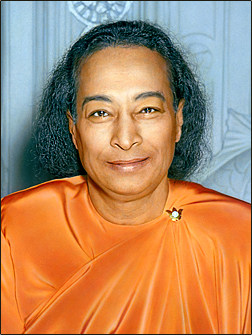
The Illuminating Silence of the Soul
Paramahansa Yogananda once said, "In the attitude of silence, the soul finds the path in a clearer light." This profound statement invites us to explore the transformative power of silence, suggesting that within stillness lies the clarity we often seek in our lives. In a world filled with noise and distraction, the ability to cultivate an inner silence becomes not just a luxury but a necessity for spiritual growth and self-discovery.
Yogananda's insight emphasizes that silence is not merely the absence of sound but a fertile ground for introspection and wisdom. It is in this sacred space that the soul can illuminate its true path, free from the clutter of external influences and internal chatter. As we delve into this quote, we uncover layers of meaning that resonate deeply with the practice of yoga and the quest for enlightenment.
The image / the metaphor
The imagery in Yogananda's quote evokes a serene landscape where silence serves as a guiding light for the soul. The phrase "attitude of silence" suggests an intentional, receptive state of being, one that requires both discipline and openness. The verbs "finds" and "path" imply an active journey, where the soul is not passively waiting for clarity but is engaged in a dynamic process of discovery. This metaphor of light further enriches the imagery, as light symbolizes knowledge, understanding, and divine presence.
Diving deeper into the metaphor, we can see that silence acts as a lens through which the complexities of life become clearer. Just as a foggy morning can obscure our view, the noise of daily life can cloud our perception of truth. In silence, we strip away the layers of confusion and distraction, allowing the essence of our being to shine forth. This clarity is not just intellectual; it is a profound realization that connects us to our higher selves and the universe at large.
In the speaker's tradition
Paramahansa Yogananda's teachings are rooted in the rich tradition of yoga, which encompasses a vast array of spiritual practices aimed at uniting the individual soul with the divine. Central to this tradition is the concept of dharma, or one's true purpose, which can often be obscured by the noise of modern life. Silence, as Yogananda suggests, is a pathway to understanding our dharma, allowing us to align our actions with our higher calling. This notion resonates with the idea of kenosis, or self-emptying, where one must let go of preconceived notions and distractions to embrace a deeper truth.
In Yogananda's seminal work, "Autobiography of a Yogi," he recounts numerous experiences that highlight the significance of silence in spiritual practice. For instance, he describes the transformative power of meditation, where the mind is quieted, and the soul can access profound insights. This aligns with the Buddhist concept of sunyata, or emptiness, which teaches that true understanding arises when we let go of attachments and allow silence to reveal the nature of reality.
Living the teaching
Consider a modern scenario where the teaching of silence can be applied: a busy professional overwhelmed by the demands of work and life. In the midst of constant notifications, meetings, and deadlines, finding a moment of silence may seem impossible. Yet, by intentionally carving out time for quiet reflection—perhaps through meditation or simply sitting in stillness—this individual can reconnect with their inner self. In that silence, clarity emerges, allowing them to prioritize what truly matters and make decisions aligned with their authentic self.
Another application of this teaching can be found in relationships, particularly during conflicts. In moments of tension, the instinct may be to react impulsively, adding to the noise of misunderstanding. However, if one chooses to embrace silence—taking a moment to breathe and reflect before responding—this can lead to deeper understanding and resolution. By allowing silence to guide the interaction, both parties may find a clearer path toward empathy and connection, transforming conflict into an opportunity for growth.
A reflection
As we contemplate Yogananda's words, we are invited to consider: What truths might emerge from the silence in my own life? This question encourages us to explore the spaces of quietude we can cultivate, whether through meditation, nature, or simply pausing amidst the chaos. In this exploration, we may discover that the path to clarity and wisdom is not found in the clamor of our thoughts but in the gentle embrace of silence.




Join the BrightStar Community
Stay connected with daily inspiration, event announcements, and community wisdom