Resting in the Essence of Being
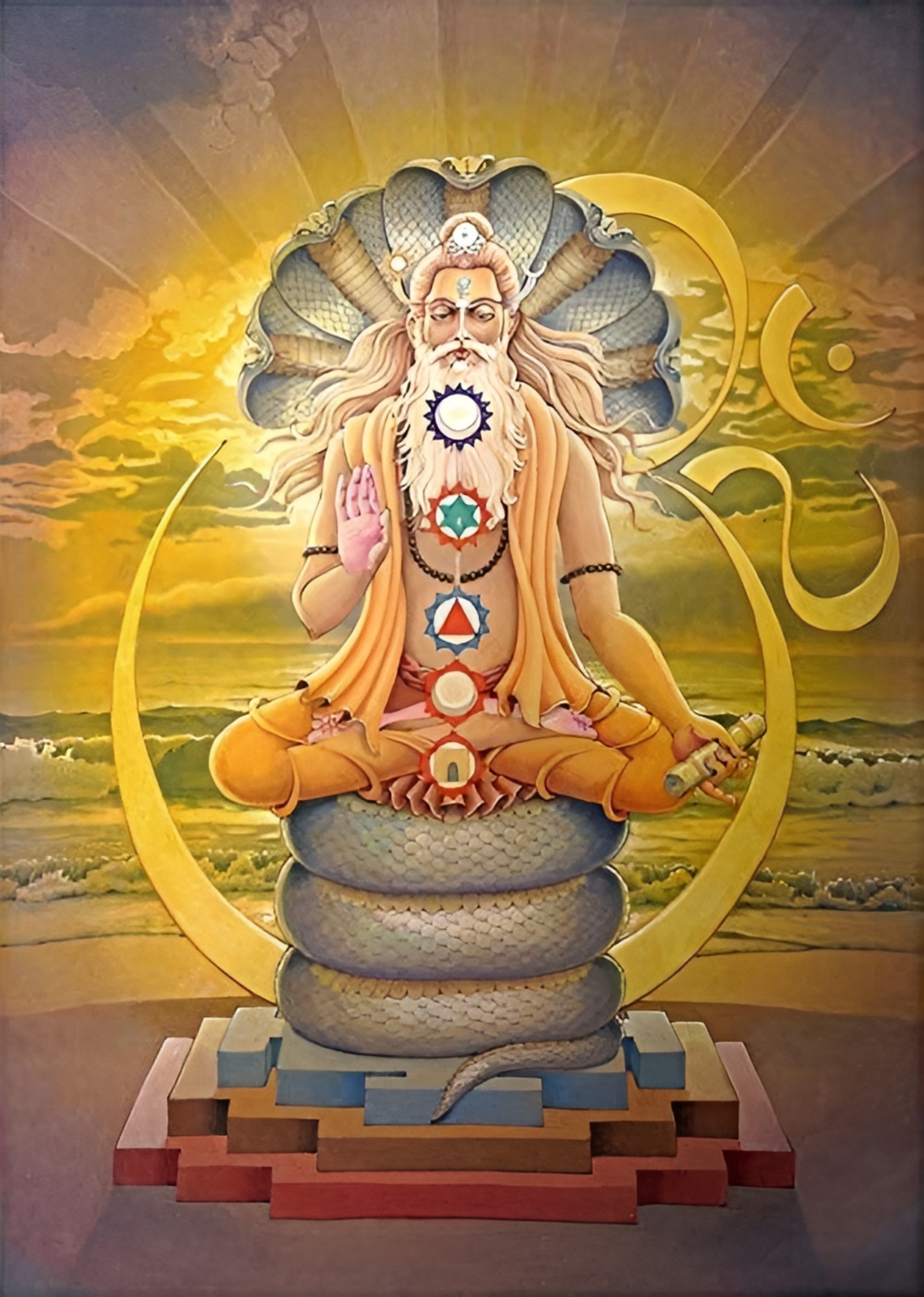
Patanjali's assertion that "as soon as one ceases to identify with the body and senses, the seer rests in itself" invites us to explore the profound distinction between our transient physical existence and the deeper essence of our being. This quote encapsulates a pivotal moment in spiritual awakening, where the individual begins to disentangle from the myriad distractions of the material world, leading to a state of inner peace and clarity. The stakes are high; in a culture that often equates identity with physicality and sensory experience, this teaching challenges us to seek a more enduring sense of self.
To cease identification with the body and senses is not merely an act of denial but a transformative journey toward self-realization. It beckons us to recognize that our true nature transcends the physical form and sensory perceptions. This understanding is essential for anyone on a spiritual path, as it lays the groundwork for deeper insights into the nature of consciousness and existence itself. By resting in our true essence, we can cultivate a profound sense of peace and connection to the universe, allowing us to navigate life with greater wisdom and compassion.
The image / the metaphor
The imagery in Patanjali's quote evokes a sense of liberation and tranquility. The term "seer" suggests a state of heightened awareness, one that is capable of perceiving reality beyond the superficial layers of existence. The verbs "ceases" and "rests" imply an active choice to disengage from the incessant chatter of the mind and the pull of the senses, leading to a state of stillness. This stillness is not passive; rather, it is a dynamic engagement with the essence of being, where the individual can observe without attachment or judgment.
Diving deeper into the metaphor, we can envision the process of letting go as akin to shedding layers of clothing that no longer serve us. Each layer represents an identification with the physical, emotional, or mental aspects of our lives. When we finally release these attachments, we find ourselves in a state of purity, akin to a clear sky after a storm. This metaphorical shedding allows us to experience the profound stillness and clarity that comes from resting in our true nature, free from the burdens of false identifications.
In the speaker's tradition
Patanjali's teachings are rooted in the ancient tradition of yoga, which emphasizes the importance of self-realization and the understanding of one's true nature. Concepts such as dharma, or one's rightful path, and prajna, or wisdom, are integral to this journey. The notion of kenosis, or self-emptying, resonates with Patanjali's call to relinquish the ego and the attachments that bind us to the material world. This process of letting go aligns with the Buddhist concept of sunyata, or emptiness, which teaches that true liberation arises from the recognition that our identities are constructs rather than fixed realities.
In the Yoga Sutras, Patanjali elaborates on the nature of consciousness and the obstacles that hinder our ability to see clearly. The Sutras guide practitioners toward a state of samadhi, or deep meditative absorption, where the distinction between the observer and the observed dissolves. This profound state of awareness is echoed in various spiritual traditions, including the Sufi concept of fana, or annihilation of the self, which similarly emphasizes the importance of transcending the ego to experience unity with the divine.
Living the teaching
Consider a modern scenario where this teaching can be applied: a busy professional overwhelmed by the demands of work and life. In the midst of deadlines and responsibilities, one might feel trapped in a cycle of stress and anxiety, identifying solely with their role and the expectations that come with it. By practicing mindfulness and meditation, this individual can begin to detach from the incessant thoughts and pressures, allowing them to experience moments of stillness and clarity. In these moments, they can recognize that their worth is not defined by their job title or external achievements, but rather by their inherent essence.
In the context of relationships, the teaching can manifest in the way we engage with others. Often, we may find ourselves reacting based on our attachments and expectations, leading to misunderstandings and conflict. By applying Patanjali's wisdom, we can learn to observe our reactions without being consumed by them. This practice of non-identification allows us to approach our relationships with greater compassion and understanding, fostering deeper connections that are rooted in authenticity rather than superficiality.
A reflection
As we contemplate Patanjali's profound insight, we are invited to ask ourselves: What aspects of my identity am I clinging to that prevent me from experiencing my true self? This question encourages a deep exploration of our attachments and identifications, prompting us to consider how they shape our perceptions and interactions. By engaging with this inquiry, we can begin to peel back the layers that obscure our essence, ultimately leading us to a more authentic and peaceful existence.



