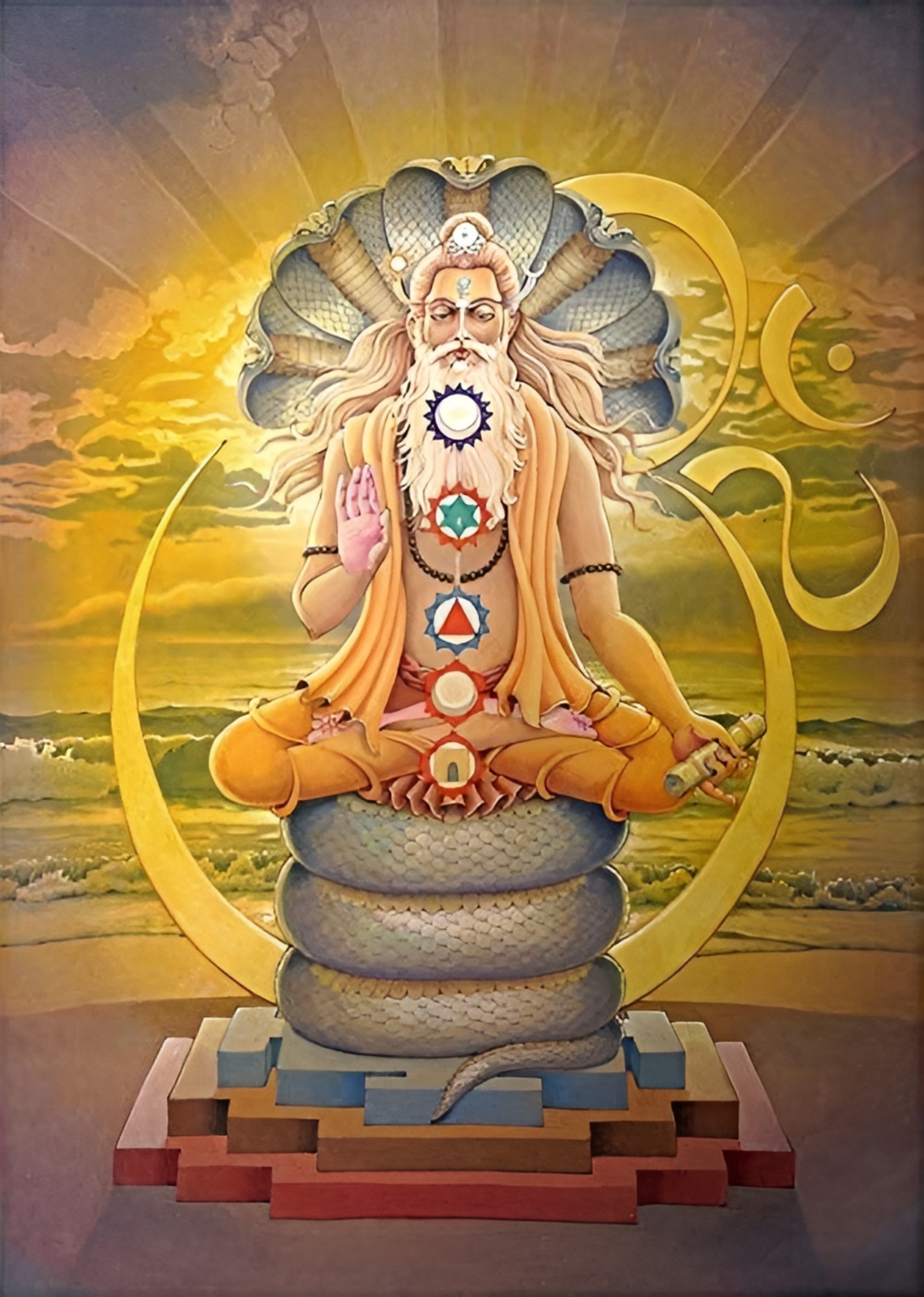
Illuminating the Path: Purification Through Yoga
The quote from Patanjali, "By the practice of the limbs of yoga, impurities are destroyed and the light of knowledge shines forth," encapsulates the transformative power of yoga. In this statement, Patanjali emphasizes that the physical and mental practices of yoga serve as a means of purification, allowing the practitioner to dispel ignorance and illuminate the mind with wisdom. This process is not merely about physical postures; it is a holistic journey toward self-realization and clarity, essential for anyone seeking deeper understanding and connection in their lives.
As we delve into this profound teaching, we recognize that the journey of yoga is both personal and universal. The "limbs of yoga" refer to the various practices outlined in the Yoga Sutras, which include ethical precepts, physical postures, breath control, and meditation. Each of these practices serves as a tool to cleanse the mind and body, facilitating a deeper connection to the self and the universe. The light of knowledge that emerges is not just intellectual understanding but a profound insight into the nature of existence, inviting us to explore the depths of our being.
The image / the metaphor
Patanjali's quote conjures vivid imagery of light and darkness, purity and impurity. The "limbs of yoga" suggest a comprehensive approach to practice, where each limb contributes to the overall health of the practitioner. The verbs "destroyed" and "shines forth" evoke a sense of active engagement; impurities are not merely removed but actively eradicated, allowing the light of knowledge to radiate outward. This imagery invites us to visualize the process of transformation, where the shadows of ignorance are dispelled by the brilliance of understanding.
Diving deeper into the metaphor, we can see that the "impurities" Patanjali refers to are not just physical but also mental and emotional. They represent the distractions, fears, and misconceptions that cloud our perception of reality. The light that shines forth symbolizes clarity, insight, and the realization of our true nature. This duality of darkness and light serves as a reminder that the journey of yoga is one of continual purification, where each practice brings us closer to the essence of who we are.
In the speaker's tradition
Patanjali's teachings are rooted in the ancient tradition of yoga, which encompasses a wide array of philosophical and spiritual concepts. Central to this tradition is the idea of dharma, or the path of righteousness, which guides individuals toward their true purpose. The practice of yoga aligns with this concept, as it encourages practitioners to shed the layers of ego and illusion that obscure their understanding of self and the universe. This journey toward purification is akin to the concept of kenosis, or self-emptying, found in various spiritual traditions, where one must relinquish attachments to attain a higher state of being.
In the Yoga Sutras, Patanjali outlines the eightfold path, which serves as a guide for practitioners seeking to achieve liberation (moksha). Each limb of yoga corresponds to a step in this process, emphasizing the interconnectedness of ethical living, physical practice, and meditative insight. This holistic approach resonates with the Buddhist concept of sunyata, or emptiness, where the realization of the impermanence of all things leads to a profound understanding of existence. Just as Patanjali encourages the destruction of impurities, the path of yoga invites us to embrace the emptiness that allows for the emergence of true knowledge.
Living the teaching
Consider a modern scenario where an individual grapples with stress and anxiety in their daily life. In this context, the practice of yoga can serve as a powerful antidote. By engaging in physical postures, breathwork, and meditation, the practitioner begins to release the accumulated tensions and mental clutter that inhibit clarity. As they cultivate a regular practice, they may notice a gradual shift in their perspective, allowing the light of knowledge to illuminate their path forward. This transformation is not instantaneous but unfolds over time, reflecting the gradual nature of purification.
In relationships, the teachings of Patanjali can also find resonance. Imagine a situation where misunderstandings and unresolved conflicts create a barrier between partners. By applying the principles of yoga—such as mindfulness, compassion, and open communication—individuals can work toward dissolving the impurities that cloud their connection. This process of purification fosters deeper understanding and intimacy, allowing the light of knowledge to shine through the relationship, enriching both partners' lives. In this way, the practice of yoga becomes a tool for healing and growth, both individually and collectively.
A reflection
As we reflect on Patanjali's profound insight, we are invited to consider the impurities that may reside within us. What aspects of our lives are clouded by ignorance or distraction? In what ways can we engage with the limbs of yoga to facilitate our own purification and allow the light of knowledge to shine forth? This contemplative question encourages us to explore our inner landscapes, fostering a deeper understanding of ourselves and our place in the world.