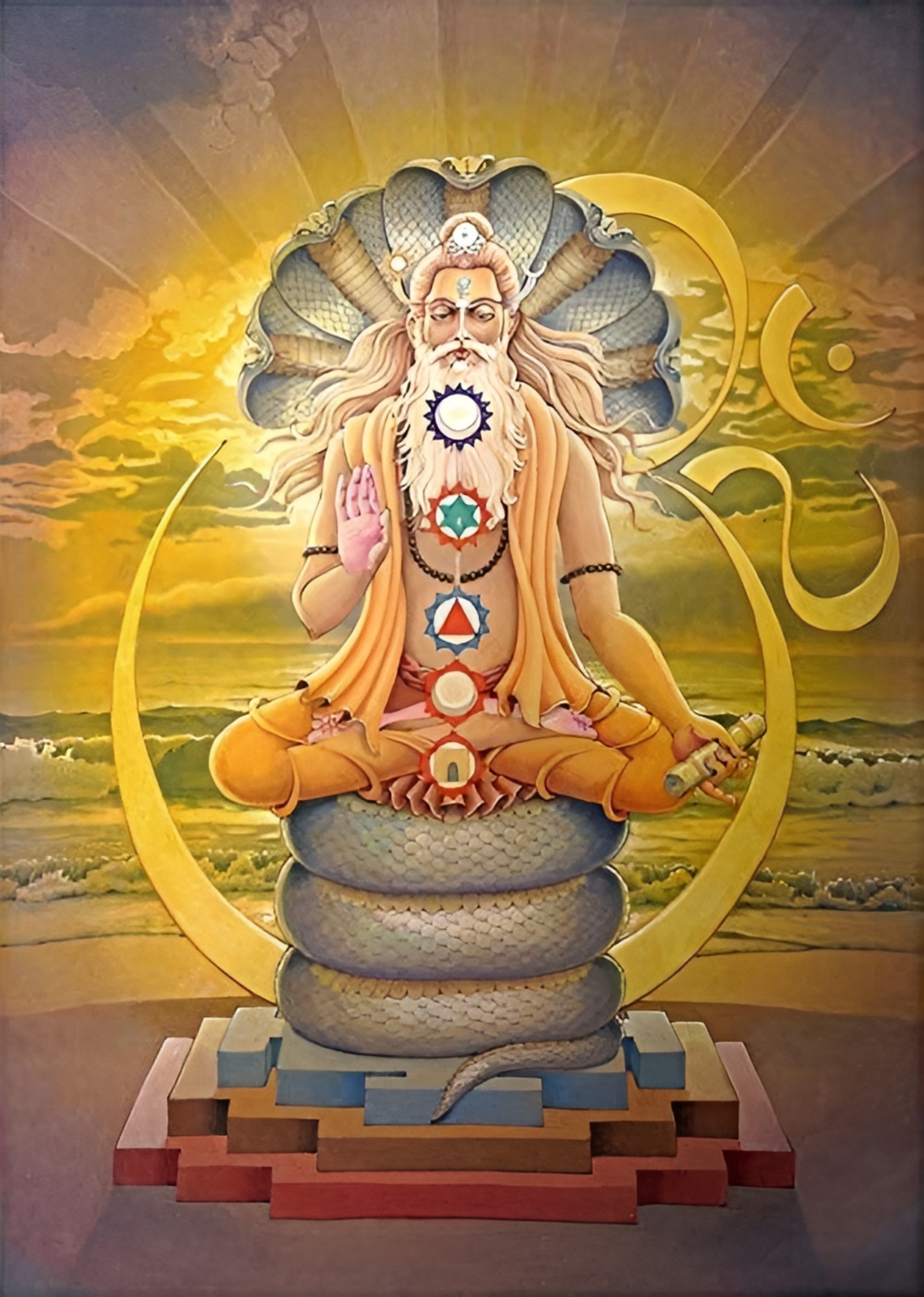
The Stillness Beyond Duality
In the profound words of Patanjali, "Equanimity in pleasure and pain — there the seer rests." This statement encapsulates a central tenet of yoga philosophy, inviting us to cultivate a balanced state of mind amidst the inevitable fluctuations of life. The stakes are high; our ability to navigate the dualities of existence—joy and sorrow, gain and loss—determines not only our inner peace but also our capacity for authentic connection with ourselves and others. In a world often characterized by extremes, this teaching beckons us toward a deeper understanding of what it means to truly rest in our being.
To rest in equanimity is to embrace a profound stillness that transcends the transient nature of our experiences. It is an invitation to step back from the chaos of our emotional responses and to observe life with a sense of detachment that does not diminish our engagement but rather enhances it. This state of being is not a denial of pleasure or pain; rather, it is a recognition that both are fleeting and that our true essence lies beyond these dualities. In this light, Patanjali’s words serve as a guiding star, illuminating the path toward a deeper, more resilient form of awareness.
The image / the metaphor
At first glance, the imagery in Patanjali's quote evokes a serene landscape where the seer, a figure of wisdom and insight, finds rest amidst the tumult of pleasure and pain. The verbs "equanimity" and "rests" suggest a state of balance and tranquility, where the seer is not swayed by the highs and lows of life. This resting is not passive; it is an active engagement with the present moment, a conscious choice to remain grounded regardless of external circumstances. The felt sense of this state is one of profound peace, a sanctuary within that remains untouched by the storms of experience.
Diving deeper into the metaphor, we can see that the "seer" represents the true self, the observer within us that witnesses our thoughts, emotions, and experiences without attachment. This inner observer is akin to a calm lake reflecting the sky, undisturbed by the winds that may ripple its surface. The equanimity described here is not merely a mental exercise; it is a lived experience that allows us to navigate the complexities of life with grace. In this way, Patanjali invites us to cultivate a relationship with our inner seer, fostering a sense of rest that is both nourishing and liberating.
In the speaker's tradition
Patanjali's teachings are rooted in the rich tradition of yoga, which emphasizes the importance of dharma, or righteous living, as a means to achieve spiritual liberation. Equanimity is closely linked to the concept of sunyata, or emptiness, which suggests that our attachments to pleasure and pain are the sources of suffering. By cultivating a state of equanimity, we align ourselves with the natural flow of existence, allowing us to fulfill our dharma without being ensnared by the dualities that often cloud our judgment. This practice of kenosis, or self-emptying, invites us to release our preconceived notions and to embrace the present moment fully.
In the Yoga Sutras, Patanjali outlines the eight limbs of yoga, which serve as a framework for achieving this state of equanimity. The practice of meditation, or dhyana, is particularly relevant here, as it allows us to cultivate the inner stillness necessary for the seer to rest. By engaging in regular meditation, we can develop the prajna, or wisdom, that enables us to discern the transient nature of our experiences. This wisdom is not merely intellectual; it is a deep, embodied understanding that transforms our relationship with pleasure and pain.
Living the teaching
Consider a modern scenario where this teaching can be applied: imagine receiving unexpected news that brings both joy and anxiety. Perhaps it is a job offer that excites you but also brings the fear of change. In this moment, Patanjali's teaching invites you to pause and observe your emotional responses without becoming entangled in them. By practicing equanimity, you can acknowledge the joy of the opportunity while also recognizing the anxiety it brings, allowing both feelings to coexist without judgment. This practice of observation fosters a sense of clarity, enabling you to make decisions that align with your deeper values.
In relationships, the application of this teaching can be equally transformative. Picture a disagreement with a loved one that stirs feelings of frustration and hurt. Instead of reacting impulsively, you can draw upon the concept of equanimity to create space for understanding. By resting in the awareness of your emotions, you can approach the situation with compassion, recognizing that both your feelings and those of your partner are valid. This mindful engagement not only deepens your connection but also cultivates a shared space of rest, where both parties can explore their perspectives without fear of judgment.
A reflection
As we contemplate Patanjali's profound insight, we are invited to reflect on our own experiences of pleasure and pain. How often do we find ourselves swept away by the tides of our emotions, losing sight of the inner seer that remains untouched? In moments of joy and sorrow, can we cultivate a sense of equanimity that allows us to rest in our true nature? Consider this contemplative question: What practices can you incorporate into your daily life to nurture the stillness that lies within, enabling you to navigate the dualities of existence with grace and wisdom?



