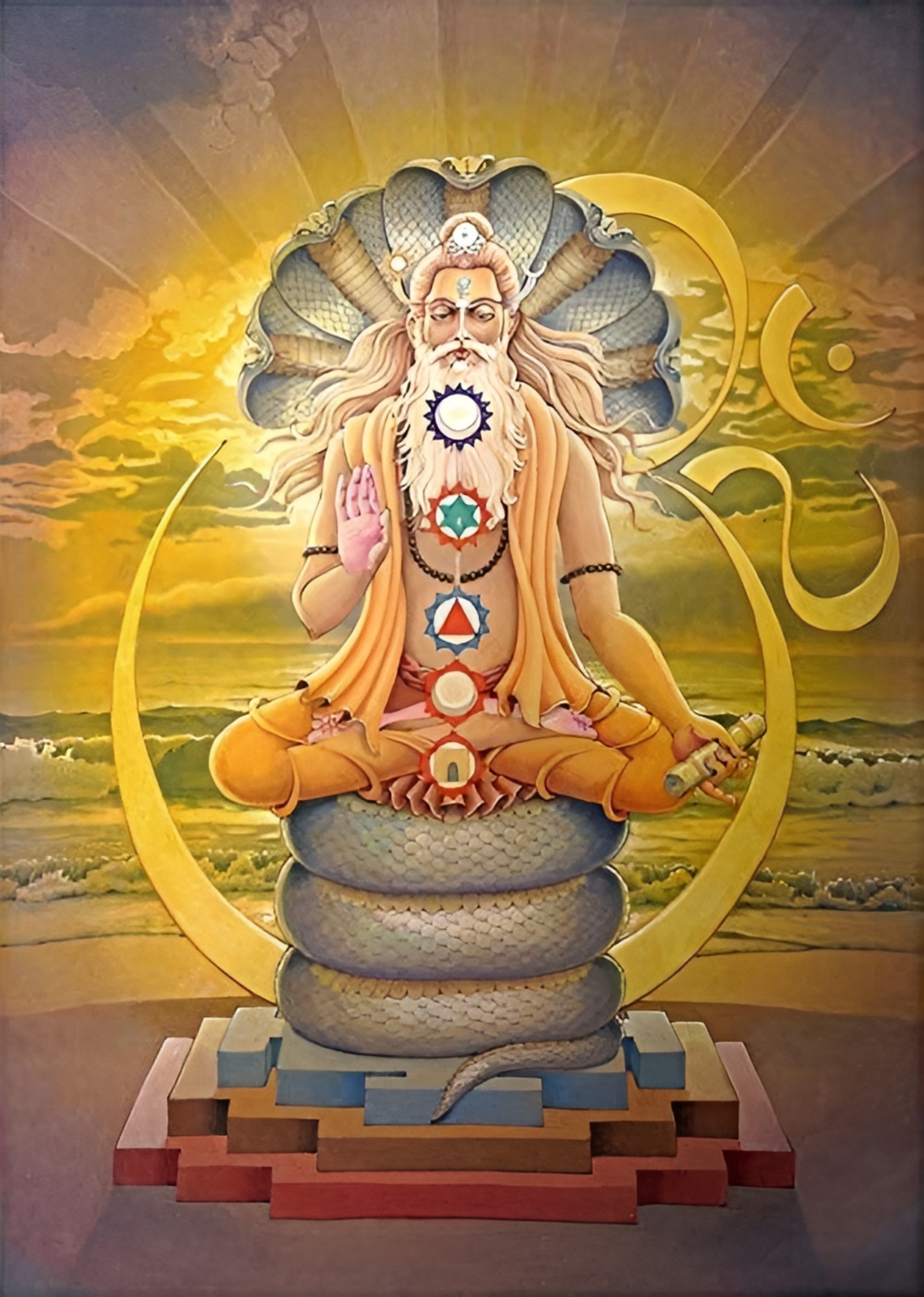
The Path of Surrender: Embracing the Divine to Attain Samadhi
Patanjali's assertion that "from surrender to the divine, samadhi is attained" encapsulates a profound spiritual journey. This quote invites us to explore the transformative power of surrender, suggesting that true union with the divine—samadhi—emerges not from striving or control, but from a deep, heartfelt yielding. In a world often dominated by the pursuit of personal achievement and autonomy, this teaching serves as a gentle reminder of the grace found in letting go and trusting a higher power.
To surrender is not to relinquish our agency or to succumb to passivity; rather, it is an active engagement with the divine that requires courage and vulnerability. This surrender is a dynamic process, one that invites us to confront our fears, desires, and attachments. In doing so, we create the fertile ground necessary for the experience of samadhi, a state of profound meditative absorption where the self dissolves into the universal consciousness. Understanding this relationship between surrender and samadhi is essential for anyone seeking a deeper connection with their spiritual path.
The image / the metaphor
The imagery in Patanjali's quote evokes a sense of movement from the individual self toward a greater, transcendent reality. The verb "surrender" suggests an act of letting go, an unbinding of the ego's tight grip on identity and control. This act is not merely passive; it is a conscious choice to open oneself to the divine, to allow the flow of grace to enter one's life. The term "samadhi," on the other hand, conjures visions of deep stillness and unity, a state where the boundaries of self dissolve and one experiences oneness with all that is.
Diving deeper into the metaphor, we can envision surrender as a river flowing toward the ocean. The river, representing our individual consciousness, must relinquish its form and identity to merge with the vastness of the ocean, which symbolizes the divine. This merging is not a loss but a transformation, where the river becomes part of something infinitely greater. In this way, Patanjali's words illuminate the paradox of spiritual growth: in surrendering, we do not lose ourselves; rather, we find our true essence in the embrace of the divine.
In the speaker's tradition
Patanjali's teachings are rooted in the ancient tradition of yoga, which encompasses a holistic approach to spiritual development. Central to this tradition is the concept of dharma, or one's rightful path, which often requires a surrendering of personal desires in favor of a higher purpose. This aligns with the idea of kenosis, found in various spiritual traditions, where one empties oneself to be filled with the divine presence. In this context, surrender becomes a vital aspect of the yogic journey, allowing practitioners to transcend the limitations of the ego and experience the fullness of existence.
Moreover, the notion of samadhi is intricately linked to the practice of bhakti, or devotional love, which emphasizes surrender to the divine will. In the Bhagavad Gita, for instance, Krishna encourages Arjuna to surrender his ego and act according to his dharma, illustrating the transformative power of yielding to divine guidance. This interplay between surrender and samadhi is a recurring theme in yogic texts, reminding us that the path to enlightenment is paved with humility and devotion.
Living the teaching
Consider a modern scenario where this teaching resonates: a person facing a significant life decision, perhaps a career change or a relationship dilemma. In the throes of anxiety and uncertainty, they may feel compelled to control every aspect of the outcome. However, by practicing surrender—trusting that the universe will guide them toward their highest good—they can find peace amidst the chaos. This act of letting go allows for clarity and insight to emerge, leading them to a more authentic path.
In another context, imagine a relationship strained by misunderstandings and unmet expectations. Here, the practice of surrender can manifest as an openness to vulnerability and a willingness to listen deeply to the other person. By surrendering the need to be right or to control the narrative, both partners can create a space for healing and connection. This shift from defensiveness to openness not only fosters intimacy but also aligns with the essence of samadhi, where the barriers between self and other begin to dissolve.
A reflection
As we contemplate Patanjali's profound insight, we are invited to reflect on our own lives: What does surrender mean to you in your spiritual journey? Are there areas where you feel resistance, and how might embracing surrender open new pathways to connection with the divine? In this inquiry, we may discover that the act of letting go is not a relinquishment of power, but rather an invitation to experience the fullness of life in communion with the greater whole.



