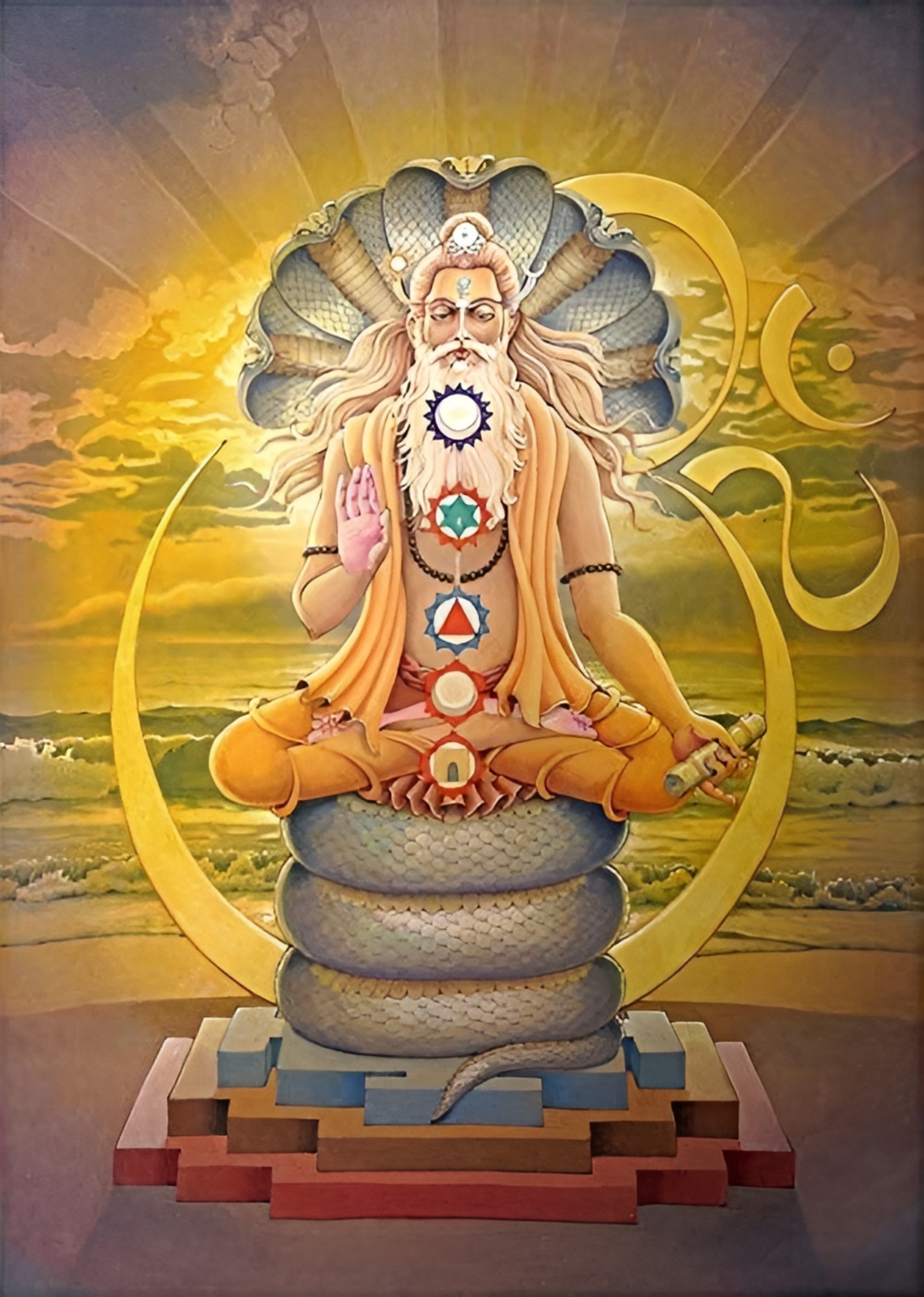
Unveiling the Illusions of Existence
Patanjali's assertion that "ignorance is taking the impermanent for the permanent, the impure for the pure, suffering for happiness, the non-self for the self" invites us to reflect on the fundamental misunderstandings that shape our lives. At its core, this quote reveals how our perceptions can lead us astray, binding us to a cycle of suffering and confusion. Recognizing these illusions is crucial for anyone seeking a deeper understanding of themselves and their place in the world, as it lays the groundwork for spiritual awakening and liberation.
This exploration of ignorance is not merely an intellectual exercise; it is a call to action. By examining the nature of our attachments and beliefs, we can begin to disentangle ourselves from the misperceptions that cloud our judgment. In a world that often prioritizes the transient and superficial, Patanjali's words serve as a reminder of the deeper truths that lie beneath the surface, urging us to seek clarity and authenticity in our lives.
The image / the metaphor
The imagery within Patanjali's quote is rich and evocative, capturing the essence of human experience. The verbs "taking" and "for" suggest a process of misidentification, where we mistakenly equate fleeting experiences with lasting truths. The juxtaposition of impermanence and permanence, impurity and purity, suffering and happiness, as well as non-self and self, paints a vivid picture of the dualities that often govern our lives. Each pair represents a fundamental misunderstanding that can lead to profound discontent and confusion.
Diving deeper into the metaphor, we can see that these misperceptions are not merely intellectual errors; they are deeply felt experiences that shape our emotional landscapes. The notion of taking the impermanent for the permanent speaks to our tendency to cling to transient pleasures, believing they will provide lasting fulfillment. Similarly, mistaking suffering for happiness reveals our inclination to accept discomfort as a norm, often leading us to overlook the possibility of genuine joy. Patanjali's words challenge us to confront these illusions and seek a more profound understanding of our true nature.
In the speaker's tradition
Patanjali's insights are situated within the broader context of yoga philosophy, which emphasizes the importance of discernment (viveka) and self-realization. The concept of dharma, or one's rightful path, is intricately linked to the understanding of ignorance and clarity. In this tradition, the journey towards enlightenment involves recognizing the transient nature of worldly attachments and cultivating a deeper connection to the self, or atman. This process often requires a form of kenosis, or self-emptying, allowing us to release our misconceptions and embrace a more authentic existence.
Moreover, the idea of sunyata, or emptiness, resonates with Patanjali's teachings. Just as sunyata invites us to recognize the void behind our attachments, Patanjali encourages us to see through the illusions that bind us. In the Yoga Sutras, the pursuit of prajna, or wisdom, is essential for overcoming ignorance. By cultivating this wisdom, we can begin to discern the true nature of reality, moving beyond the superficial layers of existence to uncover the profound truths that lie within.
Living the teaching
Consider a modern scenario where this teaching resonates: a person who finds themselves in a job that offers financial security but lacks fulfillment. They may cling to the idea that this position is a permanent source of happiness, mistaking the comfort of a steady paycheck for true contentment. In this case, the ignorance Patanjali speaks of manifests as a refusal to acknowledge the impermanence of their situation and the possibility of pursuing a more meaningful path. Recognizing this misperception can be the first step toward making a courageous change, allowing them to seek work that aligns with their passions and values.
In the realm of relationships, this teaching can also illuminate the dynamics we often navigate. Imagine a partnership where one person clings to the idea of love as a constant state of bliss, equating moments of conflict or discomfort with failure. This misunderstanding can lead to resentment and disillusionment. By embracing Patanjali's wisdom, both partners can learn to see that love is not merely about happiness but also about growth, vulnerability, and the acceptance of impermanence. This shift in perception can foster deeper connections and a more authentic expression of love.
A reflection
As we contemplate Patanjali's profound insights, we are invited to engage with a contemplative question: In what areas of my life am I mistaking the impermanent for the permanent, and how can I begin to see through these illusions? This inquiry encourages us to reflect on our attachments, beliefs, and the narratives we construct about ourselves and our experiences. By embracing this exploration, we can move toward a more authentic existence, grounded in the understanding of our true nature and the impermanence of all things.



