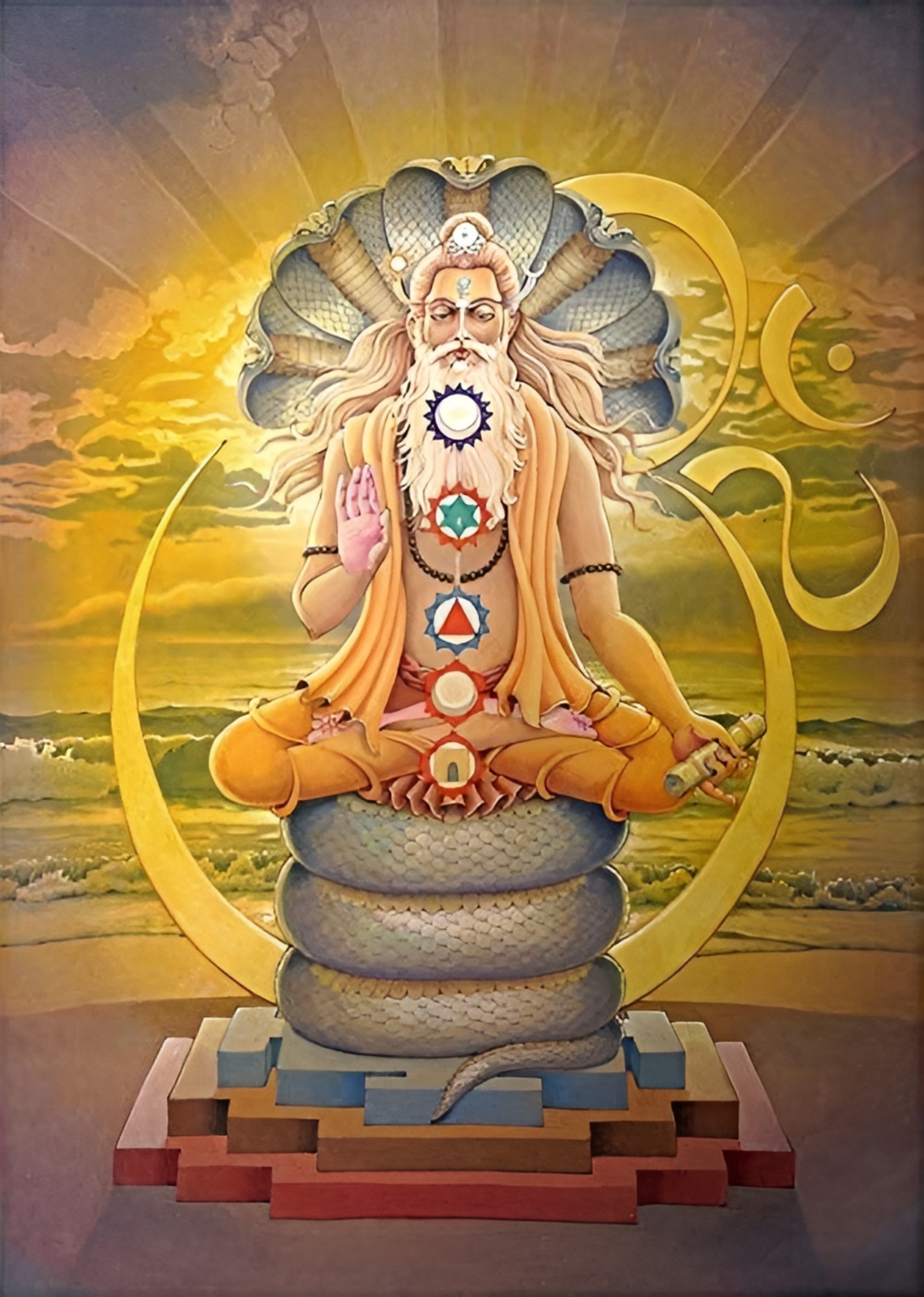
The Liberation of the Seer: Unveiling the Essence of Experience
Patanjali's assertion that "it exists for the experience and the liberation of the seer" encapsulates a profound understanding of existence and consciousness. This statement invites us to reflect on the purpose of our experiences, suggesting that they serve not merely as fleeting moments but as pathways to deeper self-awareness and liberation. In a world often dominated by distraction and superficiality, this insight beckons us to explore the significance of our lived experiences and their potential to free us from the confines of ignorance.
Delving deeper, we recognize that Patanjali's words challenge us to consider the role of the observer—the seer—in the tapestry of life. The experiences we encounter are not isolated events; they are interconnected threads that weave the fabric of our understanding. By embracing this perspective, we can begin to see our experiences as opportunities for growth, transformation, and ultimately, liberation from the limitations that bind us. This exploration is not merely philosophical; it is a call to engage with our lives more fully, to awaken to the richness of our inner landscapes.
The image / the metaphor
The imagery in Patanjali's quote evokes a sense of dynamic interplay between the seer and the seen. The term "seer" suggests an active participant in the process of perception, one who is not merely a passive observer but an engaged witness to the unfolding of life. The verb "exists" implies a state of being that transcends mere survival; it speaks to a purpose that is both experiential and liberative. This duality invites us to consider how our perceptions shape our reality and how, through awareness, we can liberate ourselves from the chains of unexamined existence.
Going deeper into the metaphor, we can envision the seer as a lens through which the world is experienced. Each experience, whether joyful or painful, serves as a reflection of our inner state and offers insights into our true nature. The liberation mentioned in the quote suggests a shedding of layers—an unburdening of the self from preconceived notions and attachments. This process of liberation is akin to the practice of yoga itself, which seeks to unite the individual with the universal, revealing the interconnectedness of all existence.
In the speaker's tradition
Patanjali's teachings are rooted in the ancient tradition of yoga, which emphasizes the importance of self-realization and the pursuit of dharma, or one's rightful path. The concept of liberation, or moksha, is central to this tradition, highlighting the journey toward freedom from the cycles of suffering and ignorance. In this context, the seer represents the individual soul, while the experiences of life serve as the means through which one can attain higher states of consciousness. This aligns with the notion of kenosis, or self-emptying, found in various spiritual traditions, where the relinquishing of the ego leads to a fuller realization of the self.
Moreover, the Yoga Sutras themselves provide a framework for understanding the nature of consciousness and the path to liberation. In Sutra 1.2, Patanjali states, "Yoga is the cessation of the fluctuations of the mind." This cessation allows the seer to experience reality without the distortions of personal bias and attachment. By recognizing that experiences exist for the purpose of liberation, we can begin to cultivate a deeper understanding of our own consciousness and the transformative potential of our experiences.
Living the teaching
Consider a modern scenario where this teaching resonates: a person navigating the complexities of a demanding job. Each day presents a myriad of experiences—challenges, successes, and interpersonal dynamics. By embracing Patanjali's insight, this individual can view these experiences not merely as obstacles or achievements but as opportunities for self-discovery and growth. Each interaction becomes a mirror reflecting aspects of the self, inviting the person to explore their reactions, beliefs, and ultimately, their liberation from the confines of their conditioned responses.
In a different context, imagine a relationship facing difficulties. The partners may find themselves caught in patterns of misunderstanding and conflict. By applying the teaching of the seer, they can approach their experiences with a sense of curiosity and openness. Instead of reacting defensively, they can seek to understand the deeper motivations behind their actions and words. This shift in perspective allows for a transformative dialogue, fostering a space where both individuals can experience liberation from their past grievances and move toward a more harmonious connection.
A reflection
As we contemplate Patanjali's profound assertion, we are invited to ask ourselves: How can I view my experiences as pathways to liberation rather than mere occurrences in my life? This question encourages us to engage with our daily experiences more mindfully, recognizing their potential to unveil deeper truths about ourselves and our place in the world. In this inquiry, we may find the seeds of transformation, leading us toward a more liberated existence.



