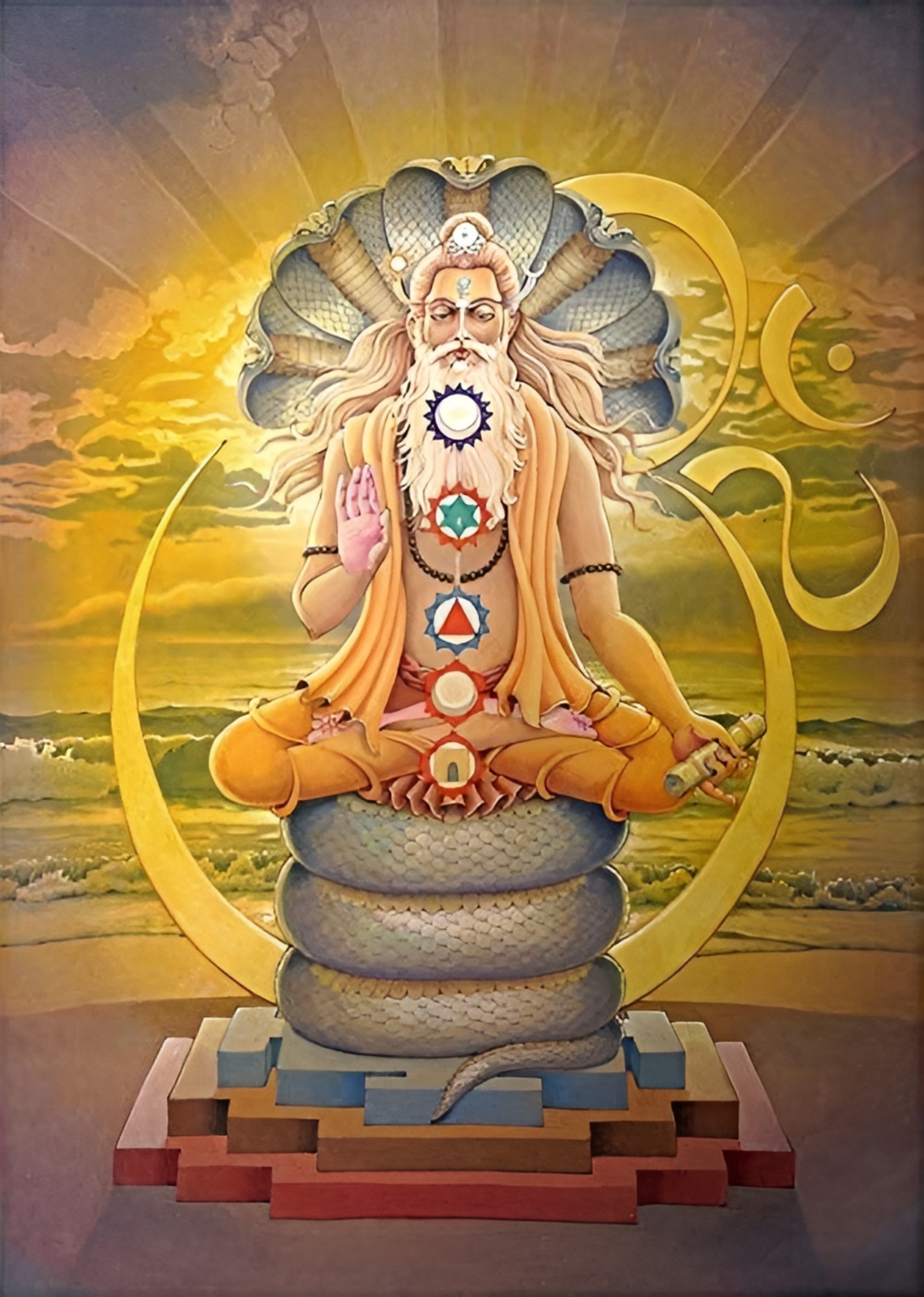
The Breath of Mastery: Unveiling the Essence of Pranayama
Patanjali's assertion that "Pranayama is the regulation of the breath after asana is mastered" encapsulates a profound journey within the practice of yoga. This statement emphasizes the importance of breath control as a pivotal aspect of spiritual and physical development, suggesting that mastery of postures (asana) lays the groundwork for deeper exploration of the breath (pranayama). Understanding this relationship is essential for practitioners who seek to cultivate a more profound connection with their inner selves and the universe.
In the realm of yoga, breath is not merely a physiological function; it is a bridge between the body and the mind, a conduit for energy and consciousness. The regulation of breath, or pranayama, becomes a transformative practice that allows individuals to harness their vital life force (prana) and direct it toward spiritual awakening. This quote invites us to reflect on the sequential nature of yoga practice, where physical mastery serves as a foundation for deeper, more subtle practices that lead to self-realization and inner peace.
The image / the metaphor
At its core, Patanjali's quote paints a vivid picture of the relationship between asana and pranayama. The term "regulation" suggests a deliberate and conscious effort to control the breath, evoking imagery of a skilled musician tuning their instrument before a performance. Just as a musician must first master their instrument to create harmonious melodies, a yogi must first master their physical postures to prepare for the intricate dance of breath control. The verbs chosen—"regulation" and "mastered"—imply a journey of discipline, patience, and dedication, highlighting the importance of a solid foundation before venturing into more advanced practices.
Diving deeper into the metaphor, we can see that breath regulation is not merely a technical skill but a profound act of surrender and alignment with the rhythms of life. The act of breathing becomes a metaphor for the ebb and flow of existence, a reminder that just as we inhale and exhale, we must also learn to navigate the cycles of our lives. In this sense, pranayama transcends the physical act of breathing; it becomes a spiritual practice that invites us to embrace the present moment, cultivate awareness, and harmonize our inner and outer worlds.
In the speaker's tradition
Patanjali's teachings are rooted in the ancient tradition of yoga, which encompasses a holistic approach to self-realization and spiritual growth. Within this framework, concepts such as dharma (righteous duty), prajna (wisdom), and bhakti (devotion) play crucial roles in guiding practitioners toward their ultimate purpose. The regulation of breath through pranayama is intricately linked to these concepts, as it fosters clarity of mind and alignment with one's true path. By mastering asana first, practitioners cultivate the discipline necessary to engage with the subtler aspects of their being, ultimately leading to a deeper understanding of their dharma.
In the Yoga Sutras, Patanjali emphasizes the importance of practice (sadhana) and detachment (vairagya) as essential components of the yogic journey. The practice of pranayama, following the mastery of asana, embodies this duality. It is through the disciplined practice of breath regulation that one can cultivate the detachment necessary to transcend the fluctuations of the mind and experience the stillness of the self. This interplay between practice and detachment is echoed in other spiritual traditions, such as the Buddhist concept of sunyata (emptiness), which invites practitioners to let go of attachments and embrace the present moment.
Living the teaching
Consider a modern scenario where the teachings of pranayama can be applied: a busy professional navigating the stresses of daily life. In moments of overwhelming pressure, the individual may find themselves caught in a cycle of shallow breathing, which exacerbates feelings of anxiety and disconnection. By consciously integrating pranayama into their routine—perhaps through a few minutes of deep, regulated breathing during breaks—they can cultivate a sense of calm and clarity. This practice not only enhances their focus but also fosters a deeper connection to their inner self, allowing them to respond to challenges with greater equanimity.
Another application of this teaching can be found in interpersonal relationships, particularly during moments of conflict. When tensions rise, individuals often react impulsively, driven by emotional responses rather than thoughtful consideration. By practicing pranayama, one can create a space of pause, allowing for breath regulation to ground them in the present moment. This conscious breathing can transform the dynamic of the interaction, enabling a more compassionate and understanding approach to resolution. In this way, the teachings of Patanjali extend beyond the mat, offering tools for navigating the complexities of human connection.
A reflection
As we contemplate Patanjali's wisdom, we are invited to explore the relationship between our physical practices and the subtler dimensions of our being. How might the mastery of our physical postures serve as a gateway to deeper self-awareness and breath regulation? In what ways can we integrate the practice of pranayama into our daily lives to foster a greater sense of presence and connection? Reflecting on these questions can illuminate our path and deepen our understanding of the transformative power of breath.



