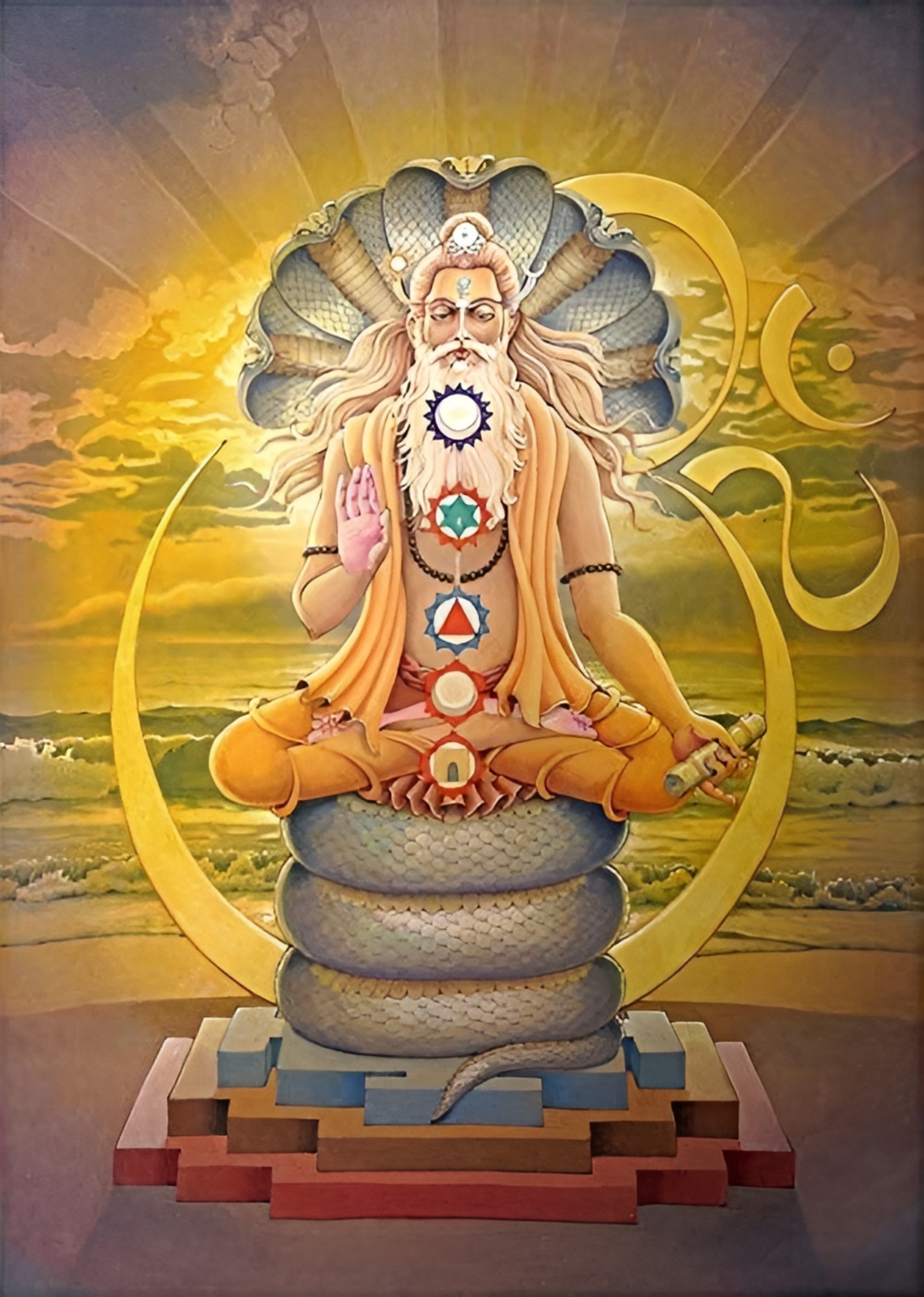
The Fire of Austerity: A Path to Purification
In the words of Patanjali, "Tapas — austerity — burns away impurity." This profound statement encapsulates the transformative power of disciplined practice in the journey of self-realization. Austerity, often misunderstood as mere deprivation, is instead a vital force that ignites the inner fire necessary for spiritual growth. By embracing this fire, we can confront and dissolve the impurities that cloud our perception and hinder our progress on the path of yoga.
Understanding tapas as a form of purification invites us to reconsider our relationship with discomfort and challenge. In a world that often prioritizes comfort and convenience, Patanjali's insight serves as a reminder that true growth often requires us to step outside our comfort zones. The process of burning away impurities is not merely about enduring hardship; it is about cultivating resilience and clarity, allowing us to emerge more aligned with our true nature. This journey, while demanding, is ultimately one of liberation and awakening.
The image / the metaphor
The imagery of fire in Patanjali's quote is rich and evocative. Fire is a universal symbol of transformation, capable of both destruction and renewal. When we think of tapas as a burning away of impurities, we can visualize the process as akin to a blacksmith forging metal. The heat of the fire removes imperfections, leaving behind a refined and strong material. In this sense, austerity is not a punishment but a necessary process of refinement that leads to greater strength and purity.
Diving deeper into this metaphor, we can see that the fire of tapas also represents the inner strength required to face our fears and attachments. Just as fire consumes what is unnecessary, so too does the practice of austerity challenge us to let go of habits and beliefs that no longer serve our highest good. This act of surrender can be uncomfortable, yet it is precisely through this discomfort that we find the clarity and insight needed to navigate our spiritual paths. The flames of tapas illuminate the shadows within us, revealing the impurities that must be addressed for true transformation to occur.
In the speaker's tradition
Patanjali's teachings are situated within the broader context of yoga philosophy, which emphasizes the importance of self-discipline and ethical living. The concept of dharma, or righteous duty, is closely intertwined with tapas, as both encourage individuals to align their actions with their higher purpose. In this light, austerity becomes a means of fulfilling one's dharma, as it cultivates the inner strength and clarity necessary to act in accordance with one's true nature. This alignment fosters a sense of harmony and balance, essential for spiritual growth.
Moreover, the notion of kenosis, or self-emptying, resonates with Patanjali's idea of purification through austerity. Just as kenosis invites us to release our ego and attachments, tapas encourages us to shed the layers of impurity that obscure our true selves. In the Buddhist tradition, the concept of sunyata, or emptiness, similarly emphasizes the importance of letting go of the false self to uncover the true essence of being. These interconnected ideas across traditions highlight the universal nature of the journey toward purification and self-realization.
Living the teaching
Consider a modern scenario where the teaching of tapas can be applied: a person striving for a healthier lifestyle. This individual may choose to adopt a disciplined approach to nutrition and exercise, which initially feels uncomfortable and challenging. However, as they persist through the discomfort, they begin to notice not only physical changes but also a heightened sense of clarity and purpose. The initial struggle becomes a transformative experience, allowing them to shed unhealthy habits and embrace a more vibrant way of living. This journey exemplifies how the fire of austerity can lead to profound personal growth.
In the context of relationships, the practice of tapas can manifest as the willingness to engage in difficult conversations or to confront unresolved issues. For instance, a couple facing communication challenges may choose to practice vulnerability and honesty, even when it feels uncomfortable. This commitment to authenticity can burn away the impurities of misunderstanding and resentment, ultimately leading to a deeper connection and understanding between partners. In this way, the fire of austerity serves not only as a personal tool for purification but also as a catalyst for healing and growth within relationships.
A reflection
As we contemplate Patanjali's assertion that "Tapas — austerity — burns away impurity," we are invited to reflect on our own lives. What impurities are we ready to confront and release in our pursuit of clarity and authenticity? In what areas might we embrace the fire of austerity to foster transformation and growth? These questions encourage us to engage deeply with our spiritual journeys, recognizing that the path to purification often requires courage and commitment.



