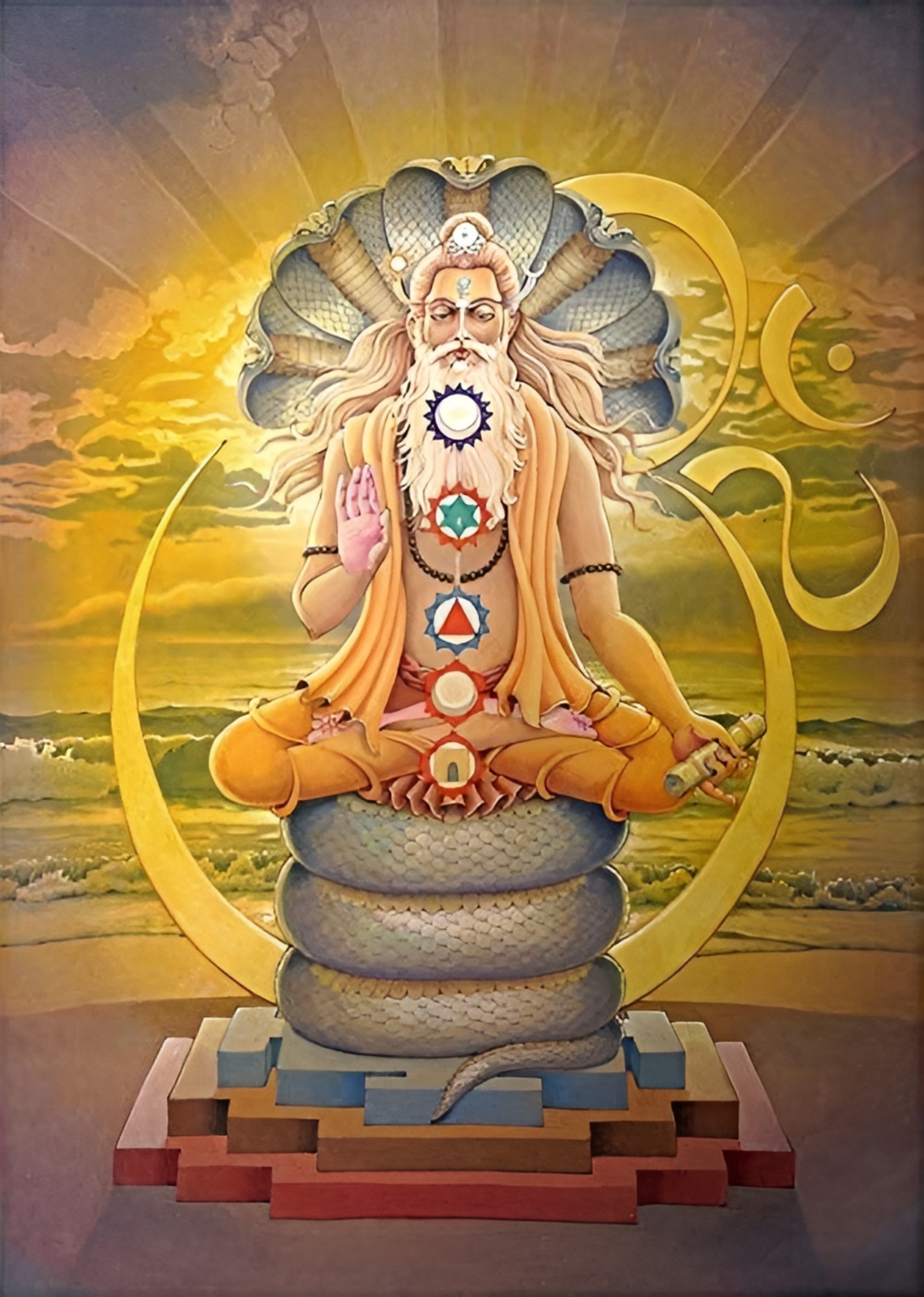
The Veil of Ignorance: Unraveling the Union of Seer and Seen
Patanjali's assertion that "the cause of the union of seer and seen is ignorance" invites us to explore the intricate relationship between perception and reality. At its core, this quote suggests that our inability to discern the true nature of existence leads to a conflation of the observer and the observed. This union, born from ignorance, obscures the clarity of our perception and hinders our spiritual growth. Understanding this dynamic is essential for anyone seeking to deepen their practice and cultivate a more profound awareness of the self and the world.
In a world often dominated by distractions and superficial engagements, Patanjali's words resonate with a timeless urgency. Ignorance, in this context, is not merely a lack of knowledge but a profound misunderstanding of our relationship with reality. It is a veil that clouds our vision, preventing us from recognizing the interconnectedness of all things. By unraveling this ignorance, we can begin to disentangle ourselves from the illusions that bind us, paving the way for a more authentic experience of life and a deeper connection to the essence of our being.
The image / the metaphor
The imagery in Patanjali's quote evokes a sense of duality, where the "seer" represents the conscious self and the "seen" embodies the external world. The verbs chosen—"cause" and "union"—imply an active process, suggesting that ignorance is not a passive state but a dynamic force that shapes our perceptions. This union, born from ignorance, creates a false sense of identity, where the observer becomes entangled with the observed, leading to confusion and suffering. The felt sense of this metaphor is one of entrapment, where the clarity of perception is clouded by the fog of misunderstanding.
Diving deeper into the metaphor, we can see that the union of seer and seen reflects the fundamental human experience of separation. This separation is not merely physical but existential, as we navigate a world that often feels fragmented and disjointed. The ignorance that Patanjali speaks of is akin to a thick fog that obscures our vision, preventing us from seeing the underlying unity that connects all beings. In recognizing this, we can begin to cultivate a sense of awareness that transcends the limitations of our conditioned perceptions, allowing us to glimpse the deeper truths of existence.
In the speaker's tradition
Patanjali's teachings are rooted in the ancient tradition of yoga, which emphasizes the importance of self-realization and the pursuit of truth. Within this framework, ignorance (avidya) is seen as the primary obstacle to enlightenment. It is through the practice of yoga—encompassing ethical conduct, meditation, and self-inquiry—that one can begin to dissolve this ignorance and experience the true nature of reality. Concepts such as dharma, or the path of righteousness, and prajna, or wisdom, are integral to this journey, guiding practitioners toward a deeper understanding of themselves and their place in the cosmos.
In the Yoga Sutras, Patanjali outlines a path that leads from ignorance to knowledge, emphasizing the transformative power of awareness. The sutras serve as a guide, offering practical tools for overcoming the delusions that arise from ignorance. For instance, the practice of meditation allows individuals to cultivate a state of inner stillness, creating the conditions necessary for insight and clarity. This journey toward self-realization is not merely an intellectual exercise but a profound experiential process that requires dedication and commitment.
Living the teaching
Consider a modern scenario where this teaching might resonate: a person finds themselves in a heated argument with a loved one, unable to see beyond their own perspective. In this moment, the union of seer and seen becomes painfully evident, as their ignorance of the other's feelings and experiences leads to a breakdown in communication. By recognizing this dynamic, they can begin to step back, cultivate awareness, and seek to understand the underlying emotions at play. This shift in perception can transform conflict into an opportunity for connection and healing.
In another application, imagine someone grappling with self-doubt and negative self-talk. The ignorance that Patanjali speaks of manifests as a distorted self-image, where the individual identifies solely with their perceived flaws. By engaging in contemplative practices such as journaling or mindfulness meditation, they can begin to disentangle their sense of self from these limiting beliefs. This process of self-inquiry allows them to recognize their inherent worth and the interconnectedness of all beings, fostering a deeper sense of compassion for themselves and others.
A reflection
As we contemplate Patanjali's profound insight, we are invited to reflect on the nature of our own perceptions. What are the veils of ignorance that obscure our understanding of ourselves and the world around us? In what ways do we conflate our identities with our experiences, losing sight of the deeper truths that lie beneath the surface? By engaging with these questions, we can begin to cultivate a more profound awareness, allowing us to navigate the complexities of life with greater clarity and compassion.



