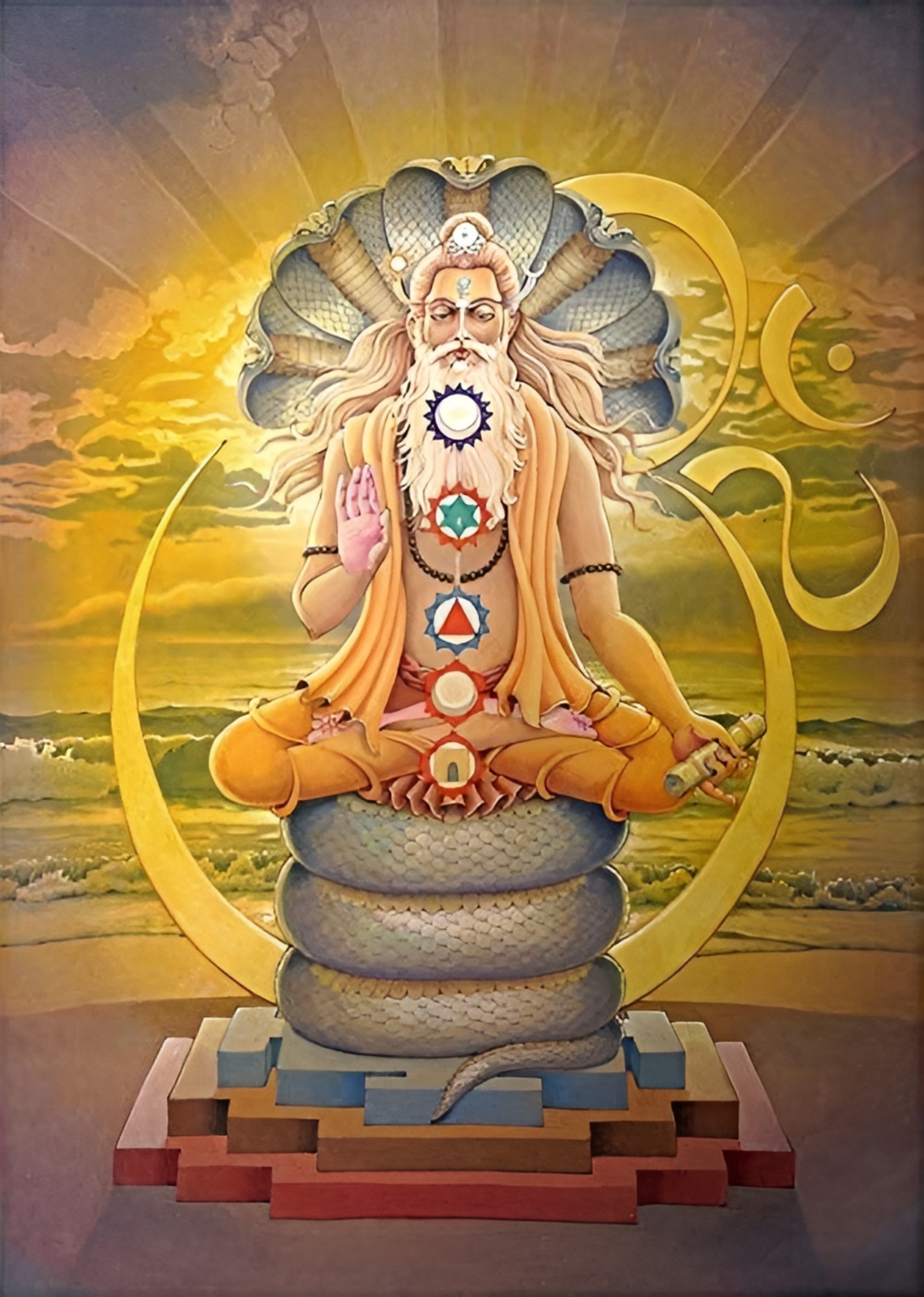
The Illusion of Steady Pleasures: A Path to Discernment
Patanjali's assertion, "To one steady, even pleasures appear as suffering," invites us to explore the intricate relationship between our experiences of pleasure and suffering. At first glance, this statement may seem paradoxical; how can pleasure, often associated with joy and fulfillment, be perceived as suffering? Yet, within the context of yoga philosophy, this quote serves as a profound reminder of the importance of discernment in our emotional and spiritual lives. Understanding this dynamic can lead us to a deeper awareness of our attachments and aversions, ultimately guiding us toward a more balanced existence.
In a world that often equates happiness with the pursuit of pleasure, Patanjali's words challenge us to reconsider our definitions of joy and suffering. The steady individual, who remains anchored in their inner self, begins to see that transient pleasures can lead to a cycle of craving and dissatisfaction. This insight is not merely an intellectual exercise; it is a call to cultivate a deeper awareness of our experiences and to recognize how our attachments can cloud our perception of reality. By engaging with this teaching, we can embark on a transformative journey toward greater clarity and inner peace.
The image / the metaphor
The imagery in Patanjali's quote evokes a sense of stillness and steadiness, contrasting sharply with the fleeting nature of pleasure. The term "steady" suggests a groundedness that allows one to observe the ebb and flow of experiences without becoming ensnared by them. In this state, even the most delightful pleasures can be recognized for what they are: temporary sensations that can lead to suffering when clung to or overly desired. The verbs chosen—"appear" and "suffering"—indicate a subjective experience, highlighting that our perceptions shape our reality. This nuanced understanding invites us to examine the nature of our attachments and the ways they influence our emotional landscape.
Diving deeper into the metaphor, we can see that Patanjali is not dismissing pleasure outright; rather, he is illuminating the potential pitfalls of attachment. When we cling to pleasure, we may inadvertently set ourselves up for disappointment and suffering when those pleasures inevitably fade. This insight encourages us to cultivate a sense of detachment, not in the sense of indifference, but as a means of fostering a more profound appreciation for the present moment. By recognizing the transient nature of pleasure, we can learn to savor experiences without becoming overly attached, allowing us to navigate life's ups and downs with greater equanimity.
In the speaker's tradition
Patanjali's teachings are rooted in the ancient tradition of yoga, which emphasizes the importance of discernment (viveka) in navigating the complexities of life. This discernment is essential for understanding the nature of dharma, or one's rightful path, as it allows individuals to differentiate between what is truly beneficial and what may lead to suffering. The concept of kenosis, or self-emptying, resonates with Patanjali's message, as it encourages individuals to release their attachments and desires in order to experience a deeper connection with the self and the universe. Similarly, the Buddhist notion of sunyata, or emptiness, invites us to recognize the impermanence of all things, including pleasure and suffering.
In the Yoga Sutras, Patanjali emphasizes the importance of cultivating a steady mind through practices such as meditation and ethical living. For instance, Sutra 2.16 states, "The pain that has not yet come is avoidable." This teaching aligns with the idea that by developing discernment and a steady mind, we can navigate our experiences with greater awareness and reduce the likelihood of suffering. By understanding the transient nature of pleasure, we can cultivate a sense of inner peace that transcends the fluctuations of external circumstances, allowing us to engage with life more fully.
Living the teaching
Consider a modern scenario in which an individual finds themselves caught in the cycle of seeking pleasure through material possessions. Each new acquisition brings a fleeting sense of joy, but soon the excitement fades, leaving behind a void that prompts the search for the next item. In this context, Patanjali's teaching serves as a powerful reminder that true contentment cannot be found in external sources. By cultivating a steady awareness of their inner self, this individual can begin to discern the difference between momentary pleasure and lasting fulfillment, ultimately leading to a more meaningful existence.
In relationships, this teaching can manifest in the way we approach our connections with others. When we become overly attached to the idea of happiness derived from our partners, we may inadvertently set ourselves up for disappointment. By applying Patanjali's wisdom, we can learn to appreciate our relationships without clinging to them as sources of pleasure. This shift in perspective allows for a more authentic connection, where love is experienced as a shared journey rather than a possession. In this way, we can cultivate relationships rooted in mutual respect and understanding, free from the burdens of expectation and attachment.
A reflection
As we contemplate Patanjali's profound insight, we are invited to reflect on our own experiences of pleasure and suffering. How often do we find ourselves chasing after fleeting moments of joy, only to be met with disappointment when they fade? In what ways can we cultivate a steadiness within ourselves that allows us to appreciate the beauty of the present moment without becoming ensnared by our desires? By engaging with these questions, we can begin to uncover the deeper truths that lie beneath our experiences, guiding us toward a more balanced and fulfilling life.



