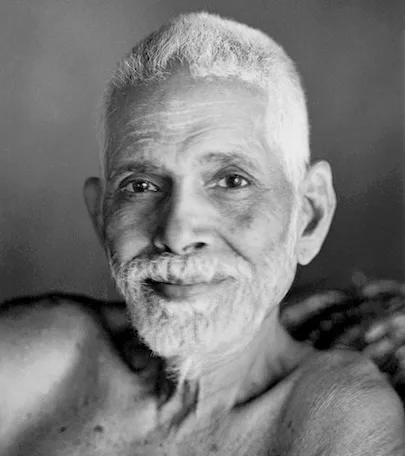
The Stillness Within: Realizing the Self
Ramana Maharshi's profound assertion, "All that is required to realize the Self is to be still," invites us into a deep exploration of the nature of existence and self-awareness. In a world characterized by incessant noise and distraction, this call to stillness becomes not merely a suggestion but a vital necessity. The stakes are high; in our relentless pursuit of external validation and achievement, we often overlook the quiet, inner landscape where true understanding resides. Maharshi's words challenge us to pause, to turn inward, and to discover the essence of who we are beyond the clamor of daily life.
To be still is to engage in a practice that transcends mere physical quietude; it is an invitation to cultivate a profound inner silence that allows the Self to emerge. This stillness is not an absence but a presence—a state of being that fosters clarity and insight. In recognizing the importance of stillness, we begin to understand that the journey toward self-realization is not one of accumulation but of subtraction. It is about peeling away the layers of noise and distraction to reveal the unchanging essence of our true nature.
The image / the metaphor
The imagery embedded in Maharshi's quote is rich and evocative. The act of being still conjures a sense of tranquility, a serene lake reflecting the sky, undisturbed by the winds of thought and emotion. The verb "realize" suggests an awakening, a coming into awareness of something that has always been present but obscured by the tumult of our minds. This stillness is not passive; it is an active engagement with the depths of our being, a conscious choice to step away from the chaos and into the sanctuary of the Self.
Diving deeper into the metaphor, stillness can be likened to the space between breaths—a moment of pause that holds the potential for transformation. In this stillness, we encounter the vastness of our inner landscape, where the noise of the ego fades, and the whispers of the soul can be heard. It is here that we can begin to discern the difference between our transient thoughts and the enduring essence of who we are. This metaphorical space is where the journey of self-discovery unfolds, inviting us to explore the depths of our consciousness.
In the speaker's tradition
Ramana Maharshi's teachings are deeply rooted in the Advaita Vedanta tradition, which emphasizes non-duality and the unity of the Self with the Absolute. Concepts such as *dharma* (righteous duty) and *kenosis* (self-emptying) resonate with his call for stillness, as they encourage a relinquishing of the ego and an embrace of the true Self. In this context, stillness becomes a pathway to *sunyata* (emptiness) and *fana* (annihilation of the self), where the individual self dissolves into the universal consciousness, revealing the interconnectedness of all existence.
A relevant text that echoes Maharshi's teachings is the *Upanishads*, which articulate the idea that the ultimate goal of life is to realize one's true nature as *Brahman*, the unchanging reality behind the transient world. The *Mandukya Upanishad*, for instance, speaks of the importance of silence and stillness in understanding the nature of consciousness. It emphasizes that through stillness, one can transcend the dualities of existence and experience the oneness of all that is.
Living the teaching
Consider a modern scenario where the teaching of stillness can be applied: a busy professional navigating the demands of work and life. In the midst of deadlines and responsibilities, the individual may find themselves overwhelmed, their mind racing with thoughts of what needs to be accomplished. By consciously choosing to take a few moments of stillness—perhaps through a brief meditation or a quiet walk in nature—they can reconnect with their inner self, gaining clarity and perspective. This practice of stillness allows them to approach their tasks with renewed focus and calmness, transforming their experience of stress into one of centeredness.
In the realm of relationships, the teaching of stillness can also play a transformative role. During a conflict with a loved one, emotions may run high, and words can be spoken in haste. By embracing stillness in that moment—taking a breath, pausing before responding—individuals can create space for understanding and compassion. This practice not only fosters healthier communication but also deepens the connection between partners, allowing them to navigate challenges with grace and awareness. In both scenarios, the essence of Maharshi's teaching becomes a guiding light, illuminating the path toward self-realization through the power of stillness.
A reflection
As we contemplate Ramana Maharshi's profound invitation to be still, we are left with a contemplative question: What would it mean for you to embrace stillness in your daily life? In a world that often equates busyness with productivity, how might the practice of stillness transform your understanding of self and your interactions with others? Reflecting on these questions can open the door to a deeper exploration of your inner landscape, inviting you to discover the richness that lies within the quietude of your being.



