Unraveling Illusions: The Path to Self-Recognition
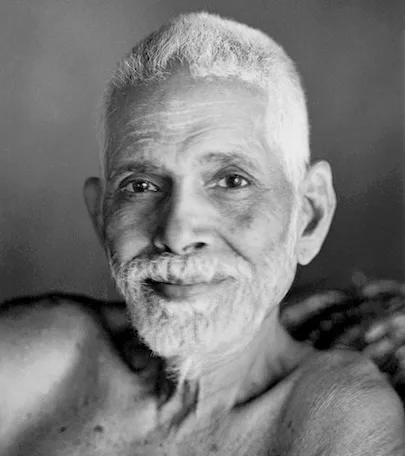
Ramana Maharshi's profound assertion, "If the rope is recognized as a rope, the illusion that it is a snake will go. Similarly, if the Self is recognized, the illusion of the world will end," invites us to explore the nature of perception and reality. At its core, this quote challenges us to discern the true essence of our being, suggesting that the misinterpretations of our experiences stem from a lack of self-awareness. Recognizing the Self, in Maharshi's view, is not merely an intellectual exercise; it is a transformative realization that can liberate us from the entanglements of worldly illusions.
This teaching resonates deeply within the framework of Hindu philosophy, where the distinction between the transient and the eternal is paramount. The rope and the snake serve as a powerful metaphor for our misperceptions, illustrating how our minds can create a false narrative around our experiences. By acknowledging the true nature of the Self, we can dismantle the illusions that cloud our understanding of the world, leading to a profound sense of clarity and peace. This journey toward self-recognition is not just a personal endeavor; it is a universal quest that speaks to the heart of human existence.
The image / the metaphor
The imagery of the rope and the snake is rich with meaning, evoking a visceral sense of confusion and clarity. When one sees a rope in dim light and mistakes it for a snake, fear and anxiety arise from that misperception. The moment one recognizes the rope for what it truly is, the fear dissipates, illustrating how our perceptions can distort reality. This metaphor serves as a poignant reminder of how our minds can entrap us in illusions, leading to unnecessary suffering.
In the speaker's tradition
Ramana Maharshi's teachings are deeply rooted in the Advaita Vedanta tradition, which emphasizes the non-duality of the Self and the ultimate reality, Brahman. Concepts such as *Maya* (illusion) and *Brahman* (the ultimate reality) are central to understanding this teaching. In this context, the illusion of the world arises from our ignorance of the Self, and the recognition of the Self leads to liberation (*moksha*). This aligns with the notion of *prajna*, or wisdom, which is essential for discerning the true nature of existence.
In the *Upanishads*, a foundational text of Hindu philosophy, the idea of self-realization is echoed in the famous declaration, "Tat Tvam Asi," meaning "That Thou Art." This phrase encapsulates the essence of Maharshi's teaching, suggesting that the individual self is not separate from the universal Self. By recognizing our inherent connection to the greater whole, we can dissolve the illusions that bind us and experience the profound peace that comes from understanding our true nature.
Living the teaching
Consider a modern scenario where this teaching can be applied: a person facing overwhelming stress at work. The demands of deadlines, expectations, and interpersonal conflicts can create a sense of chaos, leading to feelings of inadequacy and anxiety. In this context, the teaching of recognizing the Self can serve as a grounding practice. By taking a moment to breathe and reconnect with their inner essence, the individual can shift their perspective, seeing the challenges not as insurmountable obstacles but as opportunities for growth and learning.
In relationships, this teaching can manifest in moments of conflict or misunderstanding. When we perceive another's actions through the lens of our insecurities or fears, we may react defensively, perpetuating a cycle of misunderstanding. However, by recognizing the Self within ourselves and others, we can approach these situations with compassion and clarity. This shift allows us to engage in more meaningful dialogues, fostering deeper connections and healing the rifts that may have formed.
A reflection
As we contemplate Ramana Maharshi's profound words, we are invited to reflect on our own perceptions and the illusions that may cloud our understanding of reality. What aspects of your life feel like a snake in the grass, and how might recognizing the rope change your experience? This question encourages us to engage in a contemplative inquiry, inviting us to explore the layers of our perceptions and the deeper truths that lie beneath the surface.



