The Profound Depths of Surrender
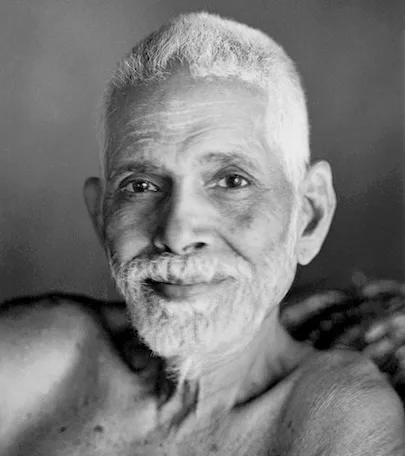
Ramana Maharshi's assertion, "If the surrender is complete, all sense of self is lost," invites us into a transformative exploration of identity and existence. At its core, this quote speaks to the radical act of surrendering one's ego, a process that can lead to profound liberation. In a world often defined by individualism and self-assertion, Maharshi's words challenge us to reconsider the very nature of selfhood and the potential for transcendence that lies in letting go.
To fully grasp the weight of this statement, we must delve into the implications of complete surrender. It suggests a dissolution of the boundaries that define our personal identity, urging us to relinquish the attachments and narratives that we cling to so tightly. This journey toward selflessness is not merely a philosophical exercise; it is a deeply spiritual practice that can lead to a more authentic experience of life, one that transcends the limitations of the ego and connects us to a greater whole.
The image / the metaphor
The imagery in Maharshi's quote evokes a sense of profound release. The term "surrender" conjures visions of yielding, of letting go of the reins that we so often grip tightly in our lives. It implies an active choice to relinquish control, to trust in something greater than oneself. The phrase "all sense of self is lost" paints a picture of a vast emptiness, a space where the individual ego fades away, leaving behind a pure consciousness that is unencumbered by personal desires or fears.
Diving deeper into this metaphor, we can see surrender as a river flowing into an ocean. The river, representing our individual self, must dissolve its boundaries to merge with the vastness of the ocean, which symbolizes the universal consciousness. This merging is not a loss but a transformation, where the river becomes part of something far greater than itself. In this way, Maharshi's words invite us to envision surrender not as an end, but as a beginning—a rebirth into a more expansive existence.
In the speaker's tradition
Ramana Maharshi's teachings are deeply rooted in the Hindu tradition, particularly in the concepts of self-inquiry and the nature of reality. The notion of surrender aligns closely with the idea of *bhakti*, or devotion, where the devotee relinquishes the ego in favor of a deeper connection with the divine. This surrender can also be likened to *kenosis*, a term often used in Christian mysticism that describes the self-emptying of one's will to allow for divine presence. In Maharshi's context, surrender is a pathway to realizing *Atman*, the true self that is one with Brahman, the ultimate reality.
In the *Upanishads*, a foundational text in Hindu philosophy, we find echoes of this teaching. The *Chandogya Upanishad* speaks of the realization that "Tat Tvam Asi," or "That Thou Art," which emphasizes the unity of the individual self with the universal. This realization can only come through the dissolution of the ego, a theme that resonates with Maharshi's assertion. By surrendering the limited self, one can awaken to the infinite nature of existence, experiencing the interconnectedness of all life.
Living the teaching
Consider a modern scenario where this teaching might resonate: a person grappling with the pressures of career and personal ambition. In striving for success, they may find themselves increasingly isolated, driven by a relentless pursuit of recognition and achievement. Maharshi's teaching on surrender invites this individual to pause and reflect on the nature of their desires. By letting go of the need for external validation, they can discover a deeper sense of fulfillment that arises from simply being, rather than doing.
In the context of relationships, the practice of surrender can be equally transformative. Imagine a couple facing conflict, each entrenched in their perspectives and unwilling to yield. Maharshi's wisdom encourages them to surrender their egos, to listen deeply and empathically to one another. This act of surrender can dissolve barriers, fostering a space of understanding and connection that transcends individual grievances. In both scenarios, the essence of Maharshi's teaching becomes clear: true liberation lies in the relinquishment of the self, allowing for a more profound engagement with the world around us.
A reflection
As we contemplate Ramana Maharshi's profound insight, we are left with a contemplative question: What would it mean for you to surrender your sense of self in a particular area of your life? This inquiry invites us to explore the attachments and identities we hold dear, challenging us to consider the freedom that might arise from letting go. In this exploration, we may find not only a deeper understanding of ourselves but also a richer connection to the tapestry of existence that binds us all.



