The Relentless Pursuit of Self-Discovery
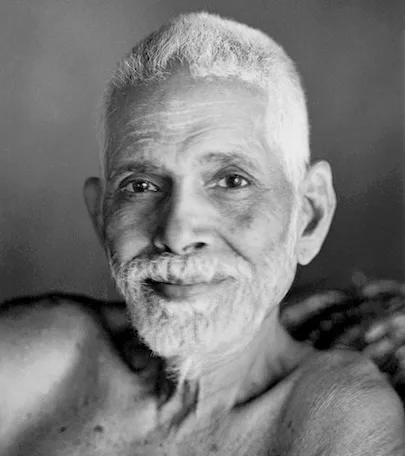
Ramana Maharshi invites us to engage in a profound and relentless inquiry into the essence of our being with the question, "Who am I?" This call to introspection is not merely an intellectual exercise; it is a transformative journey that seeks to unravel the layers of our personality and ego. By analyzing the origins of the "I-thought," we embark on a path that can lead to deeper self-awareness and ultimately, liberation from the confines of our conditioned identities.
This inquiry is essential in a world where distractions abound and the noise of external validation often drowns out our inner voice. Maharshi’s teaching emphasizes that understanding the self is not a one-time event but a continuous process of exploration and reflection. The stakes are high; in knowing ourselves more intimately, we can cultivate a life that is authentic and aligned with our true nature, rather than one dictated by societal expectations or transient desires.
The image / the metaphor
The imagery in Maharshi's quote evokes a sense of urgency and depth. The word "pursue" suggests an active, almost relentless quest, while "inquiry" implies a methodical and thoughtful examination of our inner landscape. The phrase "analyze your entire personality" calls for a comprehensive exploration, as if we are archaeologists digging through the layers of our psyche to uncover the foundational truths buried beneath. The "I-thought" serves as a focal point, a starting line from which we can trace the origins of our sense of self.
Diving deeper into this metaphor, we can see that the "I-thought" represents the ego, that fleeting sense of individuality that often misleads us into believing we are separate from the whole. By tracing this thought back to its source, we are invited to confront the illusions that have shaped our identities. This journey is akin to peeling an onion; each layer we remove reveals not only the core of our being but also the tears and struggles that accompany such a profound exploration. The process is both enlightening and challenging, demanding courage and honesty.
In the speaker's tradition
Ramana Maharshi's teachings are deeply rooted in the Advaita Vedanta tradition, which emphasizes non-duality and the interconnectedness of all existence. Concepts such as dharma, the ethical path, and prajna, or wisdom, are integral to understanding the implications of self-inquiry. In this context, the pursuit of "Who am I?" aligns with the idea of kenosis, or self-emptying, where one relinquishes the false self to experience the true self. This journey is not merely personal but universal, as it leads to the realization of our oneness with all beings.
Living the teaching
Consider a modern scenario where an individual grapples with feelings of inadequacy in their professional life. They may find themselves constantly seeking validation from colleagues and superiors, leading to a cycle of anxiety and self-doubt. By applying Maharshi's teaching of self-inquiry, this person can begin to ask themselves, "Who am I beyond my job title and achievements?" This question can initiate a transformative process, allowing them to detach from external validation and discover a more profound sense of self-worth rooted in their intrinsic qualities.
In relationships, the practice of self-inquiry can also yield significant insights. Imagine a couple facing recurring conflicts, often rooted in misunderstandings and unmet expectations. By engaging in the inquiry of "Who am I?" each partner can explore their own fears, insecurities, and desires, leading to a deeper understanding of themselves and each other. This practice fosters empathy and compassion, allowing them to navigate their differences with greater awareness and love, ultimately strengthening their bond.
A reflection
As we contemplate Maharshi's invitation to pursue the inquiry of "Who am I?" we are called to reflect on our own lives. What layers of identity have we constructed that may obscure our true selves? In this moment of introspection, consider this question: How might your life change if you were to relentlessly pursue the understanding of your essence, beyond the roles and labels that define you?



