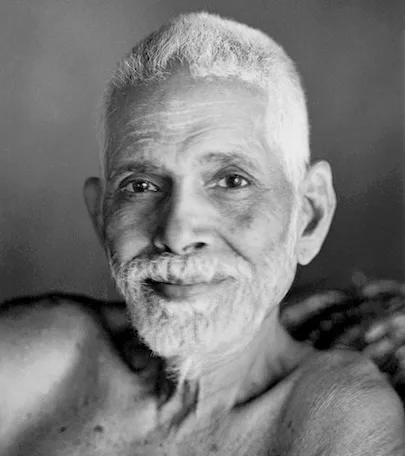
Beyond the Illusion: Embracing the Eternal Self
In the profound words of Ramana Maharshi, "The dream of life and death will vanish, but you will remain." This statement invites us to reflect on the transient nature of our existence and the enduring essence of our true self. It speaks to the heart of human experience, where the ephemeral dance of life and death often obscures the deeper reality of who we are. Understanding this quote is essential for anyone seeking to navigate the complexities of existence with clarity and purpose.
As we delve deeper into Maharshi's insight, we recognize that the dream he refers to encompasses not only the physical life we lead but also the myriad identities and roles we assume throughout our journey. The notion of permanence amidst the impermanence of life challenges us to look beyond the surface and engage with the essence of our being. This exploration is not merely philosophical; it has profound implications for how we live, love, and ultimately understand our place in the cosmos.
The image / the metaphor
The imagery in Maharshi's quote evokes a sense of transience, akin to a dream that fades upon waking. The verbs "vanish" and "remain" create a stark contrast between the fleeting nature of life and death and the enduring quality of the self. This duality invites us to consider what it means to exist beyond the physical realm, suggesting that while our bodies and experiences may dissolve, the essence of who we are remains intact. The dreamlike quality of life underscores the illusory nature of our attachments and fears, urging us to awaken to a deeper reality.
In the speaker's tradition
Ramana Maharshi's teachings are deeply rooted in the Advaita Vedanta tradition, which emphasizes non-duality and the unity of the self with the ultimate reality, Brahman. Concepts such as dharma, the moral order of the universe, and prajna, or wisdom, play crucial roles in understanding our existence. In this context, the idea of "you will remain" aligns with the notion of the eternal self, or Atman, which is unchanging and beyond the fluctuations of life and death. This perspective encourages seekers to cultivate a sense of detachment from the transient aspects of life while nurturing their connection to the eternal.
In the Upanishads, ancient texts that form the philosophical foundation of Hindu thought, we find echoes of Maharshi's message. The Chandogya Upanishad, for instance, speaks of the self as "that which is not born, does not die, and is beyond all suffering." This aligns with Maharshi's assertion that while the dream of life and death may fade, the essence of our being remains untouched. Such teachings invite us to engage in self-inquiry, a practice that Maharshi championed, allowing us to peel away the layers of illusion and discover our true nature.
Living the teaching
Consider a modern scenario where this teaching resonates: a person grappling with the loss of a loved one. The pain of grief can feel overwhelming, as if the very fabric of life has unraveled. Yet, in moments of stillness, one might recall Maharshi's words and recognize that while the physical presence of the loved one has vanished, the love and memories shared continue to exist in a different form. This understanding can transform grief into a celebration of connection, allowing the individual to honor the eternal bond that transcends the physical realm.
Another application of this teaching might arise in the context of personal relationships. Imagine a moment of conflict where one partner feels misunderstood or unappreciated. In the heat of the moment, it is easy to become entangled in the drama of the situation, identifying solely with the roles of victim or aggressor. However, by reflecting on Maharshi's insight, both partners can step back and recognize that their true selves are not defined by these transient conflicts. This awareness fosters compassion and understanding, allowing them to navigate their differences with a sense of unity and love that transcends the immediate turmoil.
A reflection
As we contemplate the depth of Ramana Maharshi's quote, we are invited to ask ourselves: What aspects of my life do I cling to that may ultimately be illusory? This question encourages us to engage in self-inquiry, examining our attachments, fears, and identities. By recognizing the transient nature of these elements, we can begin to cultivate a deeper connection to our eternal self, allowing us to navigate life with greater clarity, compassion, and purpose.



