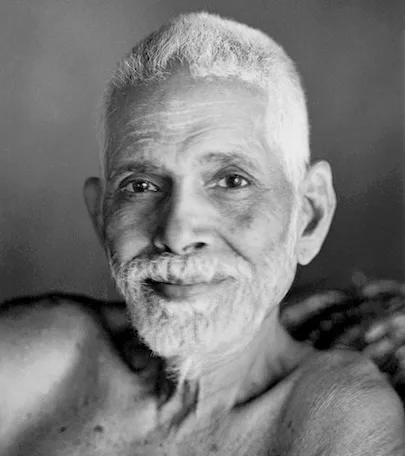
The Dissolution of the Mind: Embracing the Self
In the profound words of Ramana Maharshi, "The mind that is concentrated on the Self is dissolved. Therefore, the mind dies in the heart of the Self." This statement encapsulates a transformative journey where the mind, often seen as the source of distraction and suffering, finds its ultimate purpose in the realization of the Self. The stakes are high; this teaching invites us to explore the depths of our consciousness and the nature of our existence, urging us to transcend the limitations of the ego and embrace a more profound understanding of who we truly are.
To delve deeper into this teaching, we must recognize that the mind, in its incessant chatter and turmoil, often obscures our innate essence. Maharshi's assertion suggests that when we focus our mental energy on the Self—our true, unconditioned nature—the mind begins to dissolve, revealing the heart of existence itself. This dissolution is not a loss but rather a return to a state of pure awareness, where the distinctions between self and other fade away, allowing us to experience a profound sense of unity and peace.
The image / the metaphor
The imagery in Maharshi's quote evokes a powerful sense of transformation. The phrase "the mind that is concentrated on the Self is dissolved" suggests a process akin to melting ice under the warmth of the sun. Here, the mind represents the transient, often turbulent aspects of our being, while the Self symbolizes the eternal, unchanging core of our existence. The verbs chosen—'concentrated' and 'dissolved'—imply an active engagement with our inner landscape, where focused attention leads to a natural relinquishing of the mind's hold over us.
Diving deeper into this metaphor, we can envision the mind as a cloud obscuring the sun. When we turn our attention inward, focusing on the Self, the cloud dissipates, allowing the light of awareness to shine through. This dissolution is not merely an intellectual exercise; it is a visceral experience that transforms our perception of reality. In this state, the mind's habitual patterns and distractions fade, revealing the clarity and stillness that reside at the heart of our being.
In the speaker's tradition
Ramana Maharshi's teachings are deeply rooted in the Advaita Vedanta tradition, which emphasizes non-duality and the unity of the individual soul (Atman) with the universal consciousness (Brahman). Concepts such as dharma, the ethical path, and prajna, or wisdom, are integral to understanding this journey toward self-realization. The dissolution of the mind aligns with the notion of kenosis, or self-emptying, found in various spiritual traditions, where the relinquishing of the ego leads to a fuller experience of divine presence.
In the context of Hindu scriptures, the Bhagavad Gita offers a parallel exploration of the self and the mind. In Chapter 6, Krishna speaks of the disciplined mind as a friend and an undisciplined mind as an enemy. This resonates with Maharshi's teaching, as both emphasize the importance of mastering the mind to realize our true nature. The Gita's call to selfless action and devotion (bhakti) complements Maharshi's focus on the inward journey, suggesting that both paths ultimately lead to the same destination: the realization of the Self.
Living the teaching
Consider a modern scenario where this teaching can be applied: a busy professional overwhelmed by the demands of work and life. In the midst of deadlines and responsibilities, the mind races, filled with anxiety and distraction. By consciously redirecting attention to the Self—perhaps through meditation or mindful breathing—this individual can experience a moment of stillness. In that stillness, the incessant chatter of the mind begins to dissolve, revealing a sense of clarity and purpose that transcends the chaos of daily life.
Another application of this teaching can be found in relationships, particularly during conflicts. When emotions run high, the mind often becomes a battleground of thoughts and judgments. By focusing on the Self, individuals can cultivate a sense of compassion and understanding, allowing the mind's reactive tendencies to soften. This shift not only transforms the way we engage with others but also fosters deeper connections rooted in empathy and awareness, illustrating the profound impact of Maharshi's teaching on our interpersonal dynamics.
A reflection
As we contemplate the essence of Maharshi's words, we are invited to reflect on our own relationship with the mind and the Self. What does it mean for you to concentrate on the Self, and how might this practice lead to the dissolution of the mind's distractions? In this inquiry, we find an opportunity to explore the depths of our being, seeking to understand the nature of our thoughts and the possibility of a more profound, unified existence.



