The Essence of Being: Embracing the Self Beyond Labels
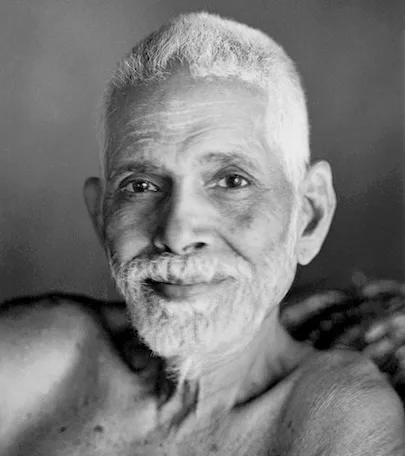
Ramana Maharshi's profound assertion, "Your duty is to be, and not to be this or that," invites us to explore the essence of our existence beyond the confines of identity and societal expectations. In a world that often defines us by our roles, achievements, and affiliations, this quote serves as a gentle reminder that our primary responsibility lies in simply being. The stakes are high; in our relentless pursuit of external validation, we may lose sight of our true selves, leading to a disconnection from the deeper currents of life.
This teaching resonates deeply in a culture that frequently equates worth with accomplishment. Maharshi's words challenge us to reconsider our understanding of duty and purpose. Instead of striving to fit into predefined molds, we are encouraged to embrace our inherent nature, which is untainted by external labels. This shift in perspective not only liberates us from the burdens of expectation but also opens the door to a more authentic and fulfilling existence.
The image / the metaphor
The imagery in Maharshi's quote evokes a sense of simplicity and clarity. The verb "to be" suggests a state of existence that is pure and unadulterated, while the phrase "this or that" implies the myriad identities we often adopt. The contrast between being and the act of defining oneself through external attributes highlights the tension between our true nature and the roles we play in society. It invites us to feel the weight of these identities and the freedom that comes from shedding them.
In the speaker's tradition
Ramana Maharshi's teachings are deeply rooted in the Advaita Vedanta tradition, which emphasizes non-duality and the unity of the self with the ultimate reality, Brahman. Concepts such as dharma, or one's duty, and prajna, or wisdom, are integral to understanding Maharshi's perspective. By urging us to focus on being rather than becoming, he aligns with the idea of kenosis, the self-emptying that allows for a fuller experience of existence. This teaching resonates with the notion of sunyata, or emptiness, which invites us to let go of attachments to identities and roles.
In the context of Hindu scriptures, the Bhagavad Gita offers a parallel exploration of duty and self-realization. Arjuna's struggle with his identity and responsibilities on the battlefield reflects the tension between societal expectations and the call to one's true nature. Krishna's guidance to Arjuna emphasizes the importance of acting without attachment to the fruits of one's actions, echoing Maharshi's call to simply be. This connection underscores the timeless relevance of Maharshi's teaching within the broader spiritual landscape.
Living the teaching
Consider a modern scenario where this teaching can be applied: a professional grappling with the pressures of career advancement. In a corporate environment, individuals often feel compelled to define themselves by their job titles, accomplishments, or the opinions of their peers. By embracing Maharshi's teaching, this person can shift their focus from striving for recognition to simply being present in their work. This shift allows for a more authentic engagement with their tasks, fostering creativity and fulfillment rather than anxiety and competition.
In the realm of relationships, Maharshi's wisdom can also illuminate our interactions. Imagine a friendship strained by misunderstandings and expectations. By practicing the art of being—accepting oneself and the other without the need for labels or judgments—both individuals can cultivate a deeper connection. This approach encourages open communication and vulnerability, allowing the relationship to flourish in its authenticity rather than being constrained by preconceived notions of how it should be.
A reflection
As we contemplate Maharshi's profound insight, we are invited to reflect on our own lives: What identities or roles have we adopted that may be obscuring our true selves? In a world that often demands we conform to certain expectations, how can we cultivate a practice of simply being? This question invites us to explore the depths of our existence, encouraging a journey toward self-discovery and authenticity.



