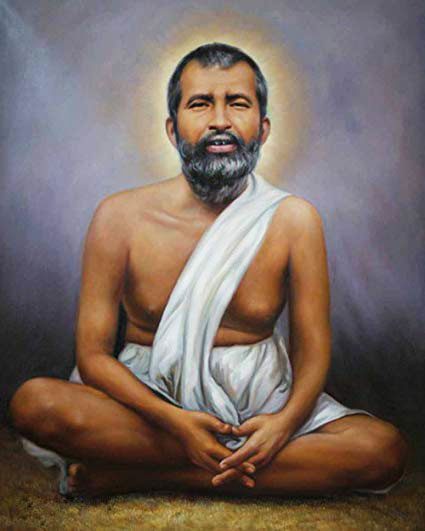
Prioritizing the Divine: A Journey Beyond Creation
In the profound words of Sri Ramakrishna, "First realize God; then think of the creation and other things." This statement invites us to reconsider our priorities in life, urging us to seek the divine before becoming entangled in the myriad distractions of the material world. The essence of this teaching lies in the understanding that true fulfillment and clarity arise from a direct experience of the divine, which then informs our relationship with everything else around us. In a world often preoccupied with external pursuits, this wisdom serves as a gentle reminder of the importance of spiritual grounding.
To delve deeper into this quote, we must recognize that it is not merely a sequential directive but a profound insight into the nature of existence itself. The act of "realizing God" is not a one-time event but an ongoing journey of awakening and discovery. It suggests that our understanding of creation and our interactions with it are profoundly shaped by our relationship with the divine. Thus, the quote encapsulates a transformative process, where the realization of God becomes the lens through which we perceive and engage with the world, leading to a more meaningful and harmonious existence.
The image / the metaphor
At its core, the quote presents a vivid image of prioritization, where the act of realizing God is depicted as a foundational step. The choice of the verb "realize" implies an active engagement, a conscious effort to awaken to the divine presence that permeates all of existence. This realization is not passive; it requires introspection, devotion, and a willingness to transcend the superficial layers of life. The subsequent phrase, "then think of the creation and other things," suggests a natural unfolding, where the understanding of the divine leads to a deeper appreciation of the world around us.
Moreover, the metaphorical implications of this quote extend into the realm of spiritual hierarchy. By placing God at the forefront, Sri Ramakrishna invites us to consider the divine as the ultimate source of wisdom and guidance. The act of thinking about creation and other matters becomes secondary, a reflection of the divine rather than an independent pursuit. This prioritization fosters a sense of interconnectedness, where the realization of God illuminates the intricate web of life, allowing us to see creation not as separate from the divine but as an expression of it.
In the speaker's tradition
Within the rich tapestry of Hindu philosophy, Sri Ramakrishna's teaching resonates deeply with concepts such as bhakti, or devotion, and prajna, which refers to wisdom or insight. The emphasis on realizing God first aligns with the bhakti tradition, where the devotee's love and surrender to the divine are paramount. This devotion is not merely emotional but is rooted in the understanding that through the realization of God, one attains a higher state of consciousness that transcends the limitations of the ego and the material world.
Furthermore, this teaching echoes the principles found in texts such as the Bhagavad Gita, where the pursuit of self-realization and understanding one's relationship with the divine is central. In Chapter 7, Krishna speaks of the importance of knowing the divine essence that underlies all creation, emphasizing that true knowledge begins with the recognition of God. This alignment with the Gita reinforces the notion that the realization of the divine is the key to unlocking the mysteries of existence and understanding our place within it.
Living the teaching
In our modern lives, the teaching of prioritizing the divine can manifest in various ways. Consider a busy professional who finds themselves overwhelmed by the demands of work, relationships, and societal expectations. In such a scenario, the call to "first realize God" invites the individual to carve out moments of stillness and reflection amidst the chaos. By engaging in practices such as meditation, prayer, or simply spending time in nature, one can reconnect with the divine presence, allowing this connection to inform their actions and decisions in the world.
Another application of this teaching can be found in interpersonal relationships. Imagine a situation where conflict arises between friends or family members. The urge to react impulsively may cloud one's judgment. However, by first seeking to realize the divine within oneself and the other, one can approach the situation with compassion and understanding. This shift in perspective transforms the interaction, fostering a sense of unity and love that transcends the immediate conflict, illustrating how the realization of God can profoundly influence our relationships and daily encounters.
A reflection
As we contemplate the wisdom of Sri Ramakrishna's quote, we are invited to reflect on our own priorities. How often do we allow the distractions of daily life to overshadow our spiritual aspirations? In what ways can we cultivate a deeper awareness of the divine presence in our lives, and how might this awareness reshape our understanding of creation and our interactions with others? These questions serve as a guiding light, encouraging us to seek the divine first, allowing it to illuminate our path through the complexities of existence.



