Finding the Divine in Everyday Life
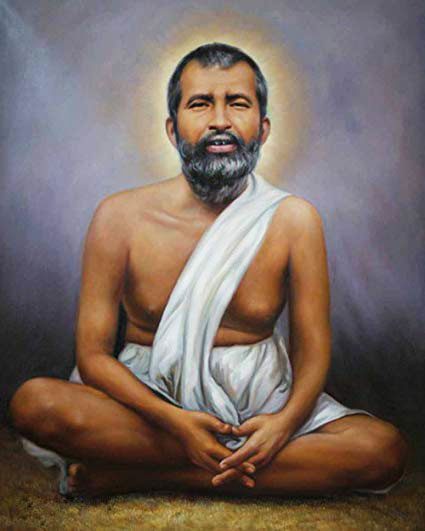
Sri Ramakrishna's profound assertion, "I tell people they need not give up the world; let them live in the world but always think of God," invites us to explore the delicate balance between our worldly existence and spiritual awareness. This statement challenges the notion that spiritual seekers must renounce the material world to attain enlightenment. Instead, it emphasizes the possibility of integrating spiritual practice into the fabric of daily life, suggesting that the divine can be encountered amidst our everyday activities.
In a world often characterized by distractions and superficial pursuits, Ramakrishna's words resonate deeply, urging us to cultivate a continuous awareness of the divine presence. This perspective not only affirms the value of our worldly experiences but also encourages us to infuse them with spiritual significance. By maintaining a connection to God while engaging with the world, we can transform mundane moments into opportunities for divine communion, enriching both our spiritual journey and our everyday interactions.
The image / the metaphor
The imagery in Ramakrishna's quote evokes a sense of duality, where the world and the divine coexist harmoniously. The phrase "live in the world" suggests an active engagement with life, while "always think of God" introduces the idea of a constant, underlying awareness. This interplay between action and contemplation creates a dynamic relationship, where our worldly experiences become a canvas for spiritual reflection. The verbs chosen—"live" and "think"—imply a balance between doing and being, inviting us to embody our spirituality in tangible ways.
Diving deeper into the metaphor, we can see that Ramakrishna is not advocating for a superficial acknowledgment of the divine but rather a profound integration of spiritual consciousness into our daily lives. This requires a mindful presence, where each action is infused with intention and reverence. The metaphor of living in the world while thinking of God suggests that our spiritual practice is not confined to formal rituals or secluded meditation but is woven into the very fabric of our existence, transforming every moment into a sacred encounter.
In the speaker's tradition
Within the context of Hindu philosophy, Ramakrishna's teaching aligns closely with the concept of bhakti, or devotion, which emphasizes a loving relationship with the divine. This path does not necessitate renunciation but encourages practitioners to cultivate a deep, personal connection with God while engaging fully in the world. The idea of dharma, or righteous living, further supports this notion, suggesting that fulfilling one's responsibilities and duties can be a form of spiritual practice when approached with the right mindset.
In the sacred texts, such as the Bhagavad Gita, we find similar sentiments expressed through the teachings of Krishna, who advises Arjuna to perform his duties without attachment to the results. This concept of selfless action, or karma yoga, complements Ramakrishna's message, illustrating that one can attain spiritual growth and realization while actively participating in the world. The Gita's emphasis on maintaining equanimity in action resonates with Ramakrishna's call to think of God amidst our worldly engagements, reinforcing the idea that spirituality is not separate from our daily lives but is, in fact, an integral part of it.
Living the teaching
Consider a modern scenario where this teaching can be applied: a busy professional navigating the demands of a corporate job. Amidst meetings, deadlines, and the hustle of daily responsibilities, one can consciously choose to pause and reflect on their connection to the divine. This might manifest as a brief moment of gratitude before a meeting or a silent prayer during a break, allowing the individual to anchor themselves in spiritual awareness even in the midst of a hectic work environment. Such practices can transform the workplace into a space of spiritual growth, where every interaction becomes an opportunity to express love and compassion.
Another application of Ramakrishna's teaching can be found in personal relationships. Imagine a moment of conflict with a loved one, where emotions run high and misunderstandings arise. By remembering to think of God in that moment, one can approach the situation with a sense of compassion and understanding, recognizing the divine spark in the other person. This shift in perspective can lead to more constructive communication and healing, illustrating how the practice of maintaining spiritual awareness can profoundly impact our interactions and relationships.
A reflection
As we contemplate Ramakrishna's invitation to live in the world while always thinking of God, we might ask ourselves: How can I cultivate a deeper awareness of the divine in my daily life? This question encourages us to reflect on our routines, relationships, and responsibilities, inviting us to explore how we can infuse our actions with spiritual significance. By seeking answers to this question, we open ourselves to the possibility of experiencing the sacred in every moment, transforming our lives into a continuous expression of devotion and love.



