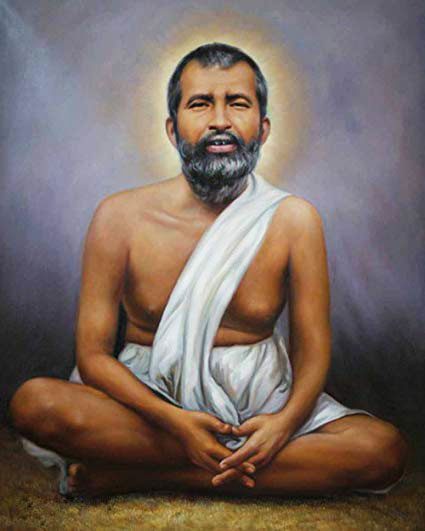
The Divine Addiction: Embracing a Higher Calling
In the profound words of Sri Ramakrishna, "If you must be addicted to anything, be addicted to God." This statement invites us to reconsider our attachments and dependencies, urging us to channel our innate human tendency toward addiction into a devotion that elevates rather than diminishes. In a world rife with distractions and superficial pursuits, the call to cultivate a deep, abiding relationship with the divine becomes not just a spiritual aspiration but a necessity for a fulfilling life.
Ramakrishna's assertion resonates deeply in a contemporary context where many find themselves ensnared by various forms of addiction, whether to substances, technology, or even relationships. By redirecting our cravings toward the divine, we embark on a transformative journey that fosters inner peace and profound joy. This shift in focus not only enriches our spiritual lives but also cultivates a sense of purpose that transcends the ephemeral nature of worldly attachments.
The image / the metaphor
The imagery in Ramakrishna's quote is striking; the word "addicted" typically carries a negative connotation, suggesting a loss of control or a compulsive behavior. Yet, here it is reframed as a positive pursuit, inviting us to embrace a fervent longing for God. The verb "be addicted" implies an active choice, a conscious decision to prioritize the divine above all else, transforming what could be a destructive force into a source of profound strength and clarity.
Diving deeper into this metaphor, we can see that addiction, in its essence, is about devotion and commitment. To be "addicted to God" suggests a relentless pursuit of the divine presence, a yearning that shapes our thoughts, actions, and relationships. This metaphor invites us to consider how we can cultivate a passionate devotion that permeates every aspect of our lives, allowing us to experience the divine in the mundane and the extraordinary alike.
In the speaker's tradition
Within the rich tapestry of Hindu philosophy, Ramakrishna's teaching aligns closely with the concept of bhakti, or devotional love. Bhakti emphasizes a personal relationship with the divine, characterized by surrender, love, and an unwavering commitment to God. This path encourages practitioners to cultivate a deep emotional connection with the divine, transforming their lives through devotion and discipline, much like the "addiction" Ramakrishna describes.
Moreover, this idea resonates with the teachings found in texts such as the Bhagavad Gita, where the importance of surrendering to God is emphasized. In Chapter 18, verse 66, Krishna advises Arjuna to abandon all forms of dharma and simply surrender to Him. This echoes Ramakrishna's sentiment, suggesting that true liberation and fulfillment arise from a devoted relationship with the divine, where one’s entire being is dedicated to this higher calling.
Living the teaching
Consider a modern scenario where an individual grapples with the pressures of daily life, often turning to distractions such as social media or excessive work to cope. By embracing the teaching of being "addicted to God," this person might redirect their energy toward prayer, meditation, or community service. Such practices not only provide solace but also foster a deeper connection to the divine, transforming their experience of stress into one of spiritual growth and fulfillment.
A reflection
As we contemplate Ramakrishna's profound invitation to be "addicted to God," we are called to examine our own attachments and dependencies. What would it look like to redirect our cravings toward a deeper relationship with the divine? In what ways can we cultivate a daily practice that nurtures this spiritual addiction, allowing us to experience the transformative power of devotion in our lives?



