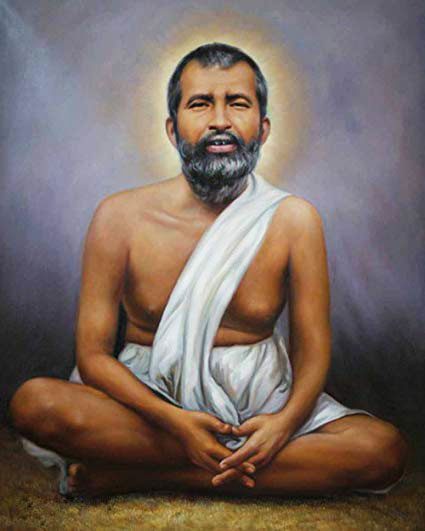
The Heart's Longing: A Pathway to Divine Encounter
In the words of Sri Ramakrishna, "Pray to God with a longing heart, and you will see Him." This profound statement invites us to explore the nature of prayer and the depth of our yearning for the divine. It suggests that the quality of our desire—our longing—can shape our spiritual experiences and ultimately lead us to a deeper connection with the sacred. In a world often filled with distractions and superficial pursuits, this quote serves as a reminder of the transformative power of sincere prayer.
Longing, in this context, is not merely a fleeting emotion; it is a deep, intrinsic yearning that propels us toward the divine. It is a call to engage with our spiritual lives authentically and passionately. Sri Ramakrishna's assertion emphasizes that it is not enough to pray out of obligation or routine; rather, it is the intensity of our heart's desire that opens the door to divine presence. This longing is a bridge that connects our human experience with the transcendent, inviting us to explore the depths of our spiritual potential.
The image / the metaphor
The imagery in Sri Ramakrishna's quote evokes a sense of intimacy and urgency. To "pray to God with a longing heart" suggests an active engagement, a heartfelt plea that transcends mere words. The verbs "pray" and "see" imply a dynamic relationship between the seeker and the divine. The act of praying is not a passive endeavor; it is a passionate pursuit, a reaching out that requires vulnerability and openness. The promise of "seeing" God indicates a reciprocal relationship, where the divine responds to the sincerity of our longing.
In the speaker's tradition
Sri Ramakrishna's teachings are deeply rooted in the Hindu tradition, particularly in the concept of bhakti, or devotion. Bhakti emphasizes a personal relationship with the divine, characterized by love, surrender, and longing. This aligns with the notion of dharma, where one's duty is to seek the divine through sincere devotion and heartfelt prayer. The idea of kenosis, or self-emptying, also resonates here; to pray with a longing heart requires us to let go of our ego and desires, creating space for the divine to enter our lives.
In the context of sacred texts, we can draw parallels to the Bhagavad Gita, where Lord Krishna speaks of the importance of devotion and the sincerity of one's heart in seeking the divine. In Chapter 9, Verse 22, Krishna assures that those who are devoted and seek Him with a pure heart will have their needs fulfilled. This reinforces the idea that longing, when directed toward the divine, is not only a personal quest but also a universal principle that transcends individual experiences.
Living the teaching
Consider a modern scenario where this teaching might resonate: a person facing a significant life decision, perhaps a career change or a relationship challenge. In moments of uncertainty, one might feel a deep longing for clarity and guidance. By approaching this situation with a heart full of longing, rather than mere anxiety or fear, the individual can transform their prayer into a heartfelt dialogue with the divine. This longing becomes a source of strength, allowing them to navigate their choices with greater wisdom and insight.
Another application of this teaching can be found in the realm of relationships. Imagine a couple experiencing a period of disconnection. By invoking a sense of longing for deeper intimacy and understanding, they can approach their interactions with renewed intention. This longing can inspire them to communicate more openly, fostering a space for vulnerability and connection. In daily practices, such as meditation or journaling, one can cultivate this longing, allowing it to guide their spiritual journey and deepen their relationship with the divine.
A reflection
As we contemplate Sri Ramakrishna's profound words, we are invited to reflect on the nature of our own longing. What does it mean for us to pray with a longing heart? In what areas of our lives do we feel a deep yearning for connection, understanding, or guidance? This contemplation can serve as a powerful catalyst for spiritual growth, encouraging us to explore the depths of our desires and the ways they can lead us toward a more profound encounter with the divine.



