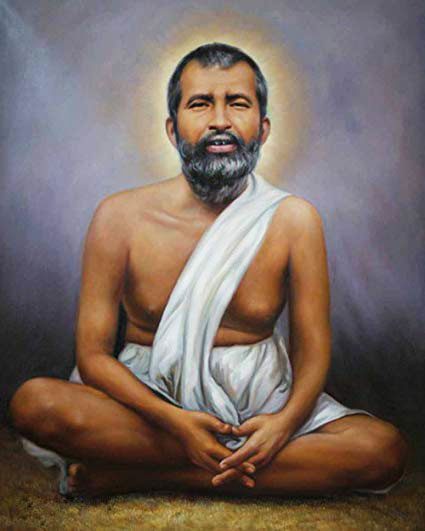
Essence Over Illusion: The Wisdom of Discrimination
“Take the milk; throw away the water.” This profound statement by Sri Ramakrishna invites us to discern the essential from the superfluous in our lives. It speaks to the necessity of discrimination, urging us to focus on what truly nourishes our spiritual journey while discarding distractions that dilute our essence. In a world overflowing with information and choices, this teaching becomes increasingly relevant, reminding us to seek clarity amid chaos.
At its core, this quote challenges us to evaluate our priorities and the influences we allow into our lives. The metaphor of milk and water serves as a poignant reminder that not everything we encounter holds equal value. By cultivating the ability to discern the nourishing from the trivial, we can align ourselves more closely with our true purpose and spiritual essence. This process of discrimination is not merely an intellectual exercise; it is a vital practice that shapes our spiritual growth and well-being.
The image / the metaphor
The imagery of milk and water evokes a visceral understanding of nourishment and dilution. Milk, rich and creamy, symbolizes the essence of life, while water, though necessary, can often be seen as a filler—something that lacks the depth and richness of the milk. The verbs “take” and “throw away” are active and decisive, suggesting that we must engage in a conscious effort to select what we allow into our lives. This act of choosing is not passive; it requires awareness and intention.
In the speaker's tradition
Sri Ramakrishna's teaching is deeply rooted in the Hindu tradition, where the concept of discrimination, or viveka, is paramount. This practice involves distinguishing between the eternal and the transient, the real and the illusory. In the context of dharma, or righteous living, this discernment becomes essential for navigating the complexities of life. The teachings of bhakti, or devotion, further emphasize the importance of focusing on the divine essence, urging practitioners to cultivate a relationship with the ultimate reality while discarding distractions that lead them astray.
In the Bhagavad Gita, a foundational text in Hindu philosophy, Lord Krishna advises Arjuna to discern his duty and act according to his higher self, rather than being swayed by the illusions of the material world. This echoes Ramakrishna's sentiment, as both teachings advocate for a clear understanding of one’s purpose and the courage to pursue it, even in the face of distractions and societal pressures. The essence of these teachings lies in the recognition that true fulfillment comes from aligning with our spiritual essence, much like choosing the milk over the water.
Living the teaching
Consider a modern scenario where one is overwhelmed by the demands of daily life—work obligations, social media, and endless notifications can create a cacophony that distracts from what truly matters. In such moments, applying the teaching of “taking the milk and throwing away the water” can be transformative. By consciously setting aside time for reflection, meditation, or engaging in activities that nourish the soul, one can begin to sift through the noise and reconnect with their core values and aspirations.
In relationships, this teaching can manifest as a commitment to authenticity. When faced with conflicts or misunderstandings, one might reflect on what truly matters in the relationship—the love, trust, and mutual respect—while discarding the petty grievances that can cloud judgment. By focusing on the essence of the relationship, individuals can foster deeper connections and navigate challenges with grace. This practice of discrimination not only enhances personal well-being but also enriches the quality of our interactions with others.
A reflection
As we contemplate the wisdom of Sri Ramakrishna’s quote, we are invited to engage in a personal inquiry: What are the “milks” and “waters” in my life? What essential truths nourish my spirit, and what distractions dilute my experience? This reflective question encourages us to cultivate a discerning heart, guiding us toward a more authentic and fulfilling existence.



