Harnessing the Winds of Grace
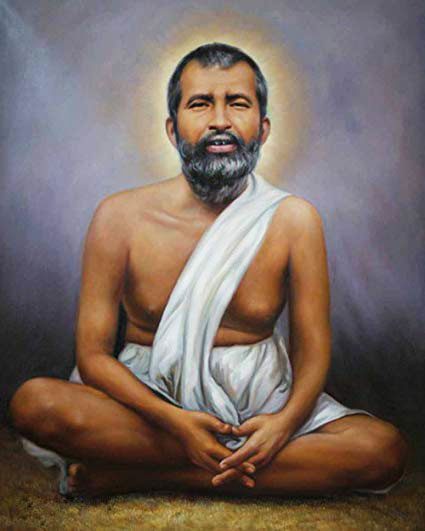
Sri Ramakrishna's poignant assertion, "The winds of grace are always blowing, but you have to raise the sail," invites us to contemplate the interplay between divine grace and human effort. This metaphor suggests that while grace is an ever-present force in our lives, it requires our active participation to be fully realized. The stakes are high: without our willingness to engage, we may miss the transformative opportunities that grace offers, leaving us adrift in a sea of potential without direction or purpose.
Delving deeper, we recognize that this quote encapsulates a profound truth about the nature of spiritual growth. It emphasizes the necessity of readiness and effort in our spiritual journeys. Grace, often perceived as a gift bestowed upon us, is not merely passive; it calls for our active engagement. In this light, the quote serves as both a reminder and an invitation to cultivate a posture of openness and readiness, allowing us to navigate the currents of life with intention and purpose.
The image / the metaphor
The imagery of raising a sail evokes a vivid sense of action and agency. The winds of grace symbolize the unseen forces that support and uplift us, while the act of raising the sail signifies our readiness to harness that support. This dynamic interplay between the wind and the sail captures the essence of spiritual practice: we must be willing to take steps toward our growth, even when the path is uncertain. The verbs chosen—"blowing" and "raise"—imply movement and effort, suggesting that grace is not a static state but a dynamic force that requires our participation.
Going deeper into this metaphor, we can see that the sail represents our inner disposition, our willingness to align ourselves with the currents of grace. Just as a sailor must adjust the sail to catch the wind effectively, we too must cultivate an inner readiness to receive and respond to grace. This requires discernment and a willingness to let go of our preconceived notions of control, allowing ourselves to be guided by a higher power. In this way, the metaphor becomes a powerful reminder of the balance between surrender and effort in our spiritual lives.
In the speaker's tradition
Within the context of Sri Ramakrishna's teachings, the concept of grace is intricately linked to the idea of bhakti, or devotion. In Hindu philosophy, bhakti emphasizes a loving relationship with the divine, where grace is seen as a response to sincere devotion and effort. This aligns with the notion of dharma, the moral and ethical duties that guide our actions. By raising our sails—engaging in our dharma and cultivating devotion—we open ourselves to the transformative power of grace, allowing it to flow into our lives.
Ramakrishna's teachings resonate with the broader Hindu texts that explore the relationship between human effort and divine grace. For instance, the Bhagavad Gita speaks to the importance of action and selfless service, emphasizing that one must perform their duty without attachment to the results. This echoes Ramakrishna's message: while grace is always available, it is our responsibility to engage actively in our spiritual practice, aligning our actions with our higher purpose to fully experience its benefits.
Living the teaching
Consider a modern scenario where this teaching might resonate: an individual facing a career transition. They may feel the winds of grace in the form of new opportunities or supportive relationships, yet without taking proactive steps—updating their resume, networking, or seeking guidance—they risk remaining stagnant. By raising their sail, they engage with the grace that surrounds them, allowing it to guide them toward new horizons. This illustrates how the act of readiness and effort can transform potential into reality.
In a different context, imagine a relationship that has become strained. Here, the winds of grace might manifest as moments of understanding or forgiveness. However, for these moments to take root, one partner must be willing to raise the sail—perhaps by initiating a heartfelt conversation or expressing vulnerability. This act of reaching out can create a space for healing and reconnection, demonstrating how grace requires our active participation to flourish in the realm of human connection.
A reflection
As we reflect on Sri Ramakrishna's wisdom, we might ask ourselves: "In what areas of my life am I being called to raise my sail and embrace the winds of grace?" This contemplative question invites us to examine our readiness to engage with the divine forces at play in our lives. By considering where we might be holding back, we open ourselves to the possibility of transformation, allowing grace to guide us toward our highest potential.



