The Dance of Beauty and Truth
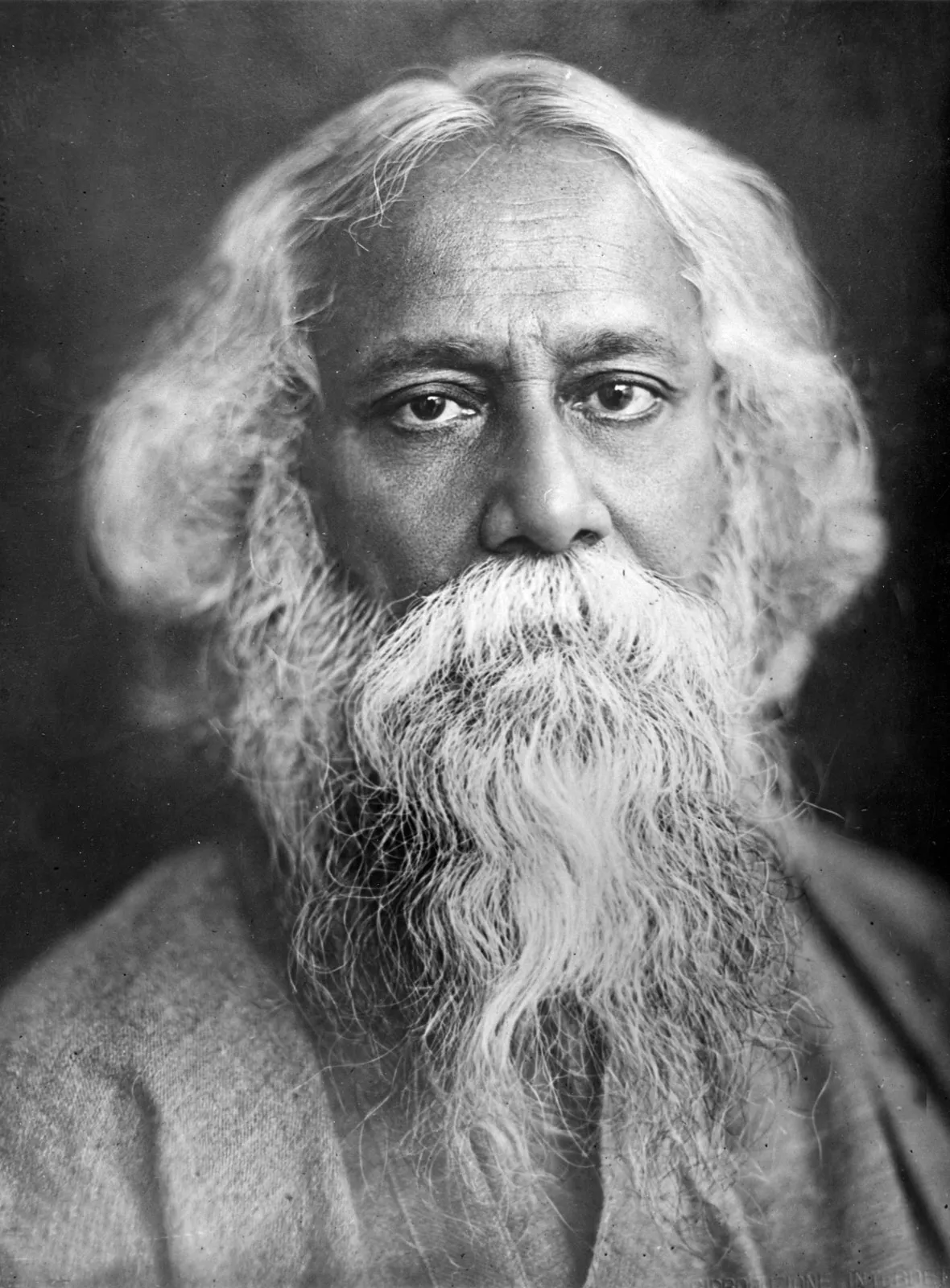
Rabindranath Tagore's assertion that "Beauty is truth's smile when she beholds her own face in a perfect mirror" invites us to explore the profound relationship between beauty and truth. In this evocative metaphor, Tagore suggests that beauty is not merely an external quality but an intrinsic reflection of truth itself. This insight compels us to consider how our perceptions of beauty are intertwined with our understanding of truth, urging us to seek a deeper connection between the two in our lives.
As we delve into this quote, we uncover layers of meaning that resonate with our contemporary experiences. The notion that beauty can be seen as a manifestation of truth challenges us to reconsider our definitions of both concepts. In a world often clouded by superficial judgments and fleeting appearances, Tagore's words remind us that true beauty emerges from authenticity and self-awareness, illuminating the path toward a more profound understanding of ourselves and the world around us.
The image / the metaphor
At first glance, Tagore's imagery evokes a vivid scene: beauty, personified, gazing into a flawless mirror. The choice of the word "smile" suggests a gentle, joyful recognition, as if beauty is delighted by its own reflection. This moment of self-recognition implies a harmony between the observer and the observed, where beauty and truth coexist in a state of grace. The perfect mirror serves as a symbol of clarity and honesty, reflecting not just the surface but the essence of what is true.
Diving deeper into the metaphor, we can see that the mirror represents the inner self, a space where truth can be fully realized. In this context, beauty is not an external adornment but a natural expression of truth's essence. The act of beholding oneself in a perfect mirror suggests a journey of self-discovery, where one confronts their own reality with acceptance and love. This interplay between beauty and truth invites us to reflect on our own lives: how often do we truly see ourselves, and how does that vision shape our understanding of beauty?
In the speaker's tradition
Rabindranath Tagore's insights are deeply rooted in the Hindu tradition, which emphasizes the interconnectedness of all existence. Concepts such as dharma, the moral order of the universe, and bhakti, the path of devotion, resonate with the idea that beauty and truth are not separate entities but rather expressions of a unified reality. In this context, beauty can be seen as a manifestation of divine truth, inviting us to align our lives with the principles of harmony and balance that govern the cosmos.
Tagore's exploration of beauty and truth can also be likened to the Buddhist concept of sunyata, or emptiness, which suggests that true understanding arises when we let go of our attachments and preconceived notions. Just as beauty reflects truth, the realization of sunyata allows us to perceive the world without the distortions of ego and desire. In this light, Tagore's quote serves as a reminder that the pursuit of beauty is ultimately a quest for truth, urging us to cultivate a deeper awareness of our own nature and the world around us.
Living the teaching
Consider a modern scenario where this teaching can be applied: a young artist grappling with self-doubt as they prepare for an exhibition. In their quest for external validation, they may overlook the beauty inherent in their unique perspective and creative expression. By embracing Tagore's insight, the artist can shift their focus from seeking approval to recognizing the truth of their own artistic voice. This transformation allows them to create from a place of authenticity, where beauty naturally emerges as a reflection of their inner truth.
In relationships, the teaching can manifest in moments of vulnerability and honesty. Imagine a couple navigating a difficult conversation, where misunderstandings have clouded their connection. By approaching the dialogue with the intention to see each other clearly—like beauty gazing into a perfect mirror—they can uncover the truths that lie beneath their conflicts. This practice of open-hearted communication fosters a deeper understanding and appreciation for one another, allowing beauty to flourish in their relationship as they embrace the truth of their shared experience.
A reflection
As we contemplate Tagore's profound words, we are invited to ask ourselves: How do I perceive beauty in my life, and what truths does that perception reveal? This question encourages us to explore the ways in which our understanding of beauty shapes our interactions with ourselves and others. By reflecting on our own experiences, we can begin to uncover the deeper connections between beauty and truth, ultimately guiding us toward a more authentic and fulfilling existence.



