Embracing the Call of the Unknown
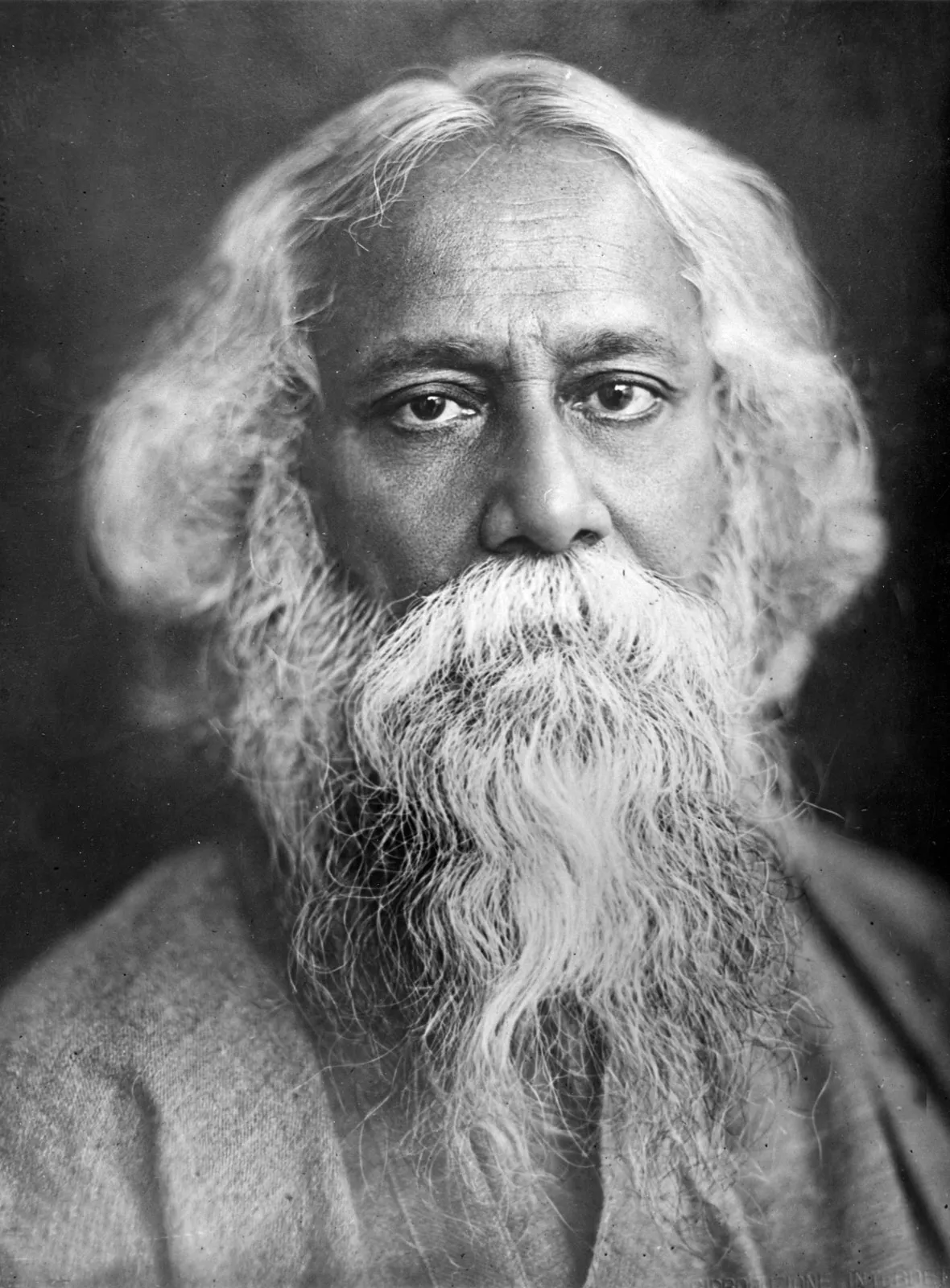
In the poignant words of Rabindranath Tagore, "Death, thy servant, is at my door. He has crossed the unknown sea and brought thy call to my home." Here, Tagore personifies death as a servant, suggesting a relationship of intimacy rather than fear. This perspective invites us to reconsider our understanding of mortality, framing it not as an adversary but as a companion on our journey. The stakes are high; in a culture that often shies away from the topic of death, Tagore's words challenge us to confront our mortality with grace and acceptance.
Tagore's reflection on death resonates deeply within the human experience, urging us to acknowledge the inevitability of our own end. The imagery of crossing an "unknown sea" evokes the mystery that surrounds death, a transition that remains largely uncharted. In recognizing death as a call to our home, Tagore invites us to embrace the profound truth that life and death are intertwined, each moment a preparation for the eventual return to the source. This contemplation is not merely an intellectual exercise; it is a spiritual awakening that can transform our relationship with life itself.
The image / the metaphor
The imagery in Tagore's quote is striking and layered. By referring to death as a "servant," he suggests a certain familiarity and acceptance of this inevitable aspect of existence. The phrase "crossed the unknown sea" conjures a sense of journey and exploration, indicating that death is not a final destination but rather a passage into another realm. The verbs chosen—"crossed" and "brought"—imply action and movement, emphasizing that death is not a passive event but an active transition that invites us to engage with it.
Diving deeper into the metaphor, we can see that Tagore's portrayal of death as a servant reflects a profound surrender to the natural order of life. This surrender is not one of defeat but of recognition; it acknowledges that death is an integral part of the cycle of existence. By framing death in this way, Tagore encourages us to cultivate a relationship with our mortality that is characterized by reverence and acceptance, rather than fear and denial. This perspective invites us to live fully, knowing that each moment is precious and fleeting.
In the speaker's tradition
Rabindranath Tagore's reflections on death are deeply rooted in the Hindu tradition, which often emphasizes the cyclical nature of life and the interconnectedness of all beings. Concepts such as dharma, the moral order of the universe, and bhakti, the path of devotion, inform Tagore's understanding of existence. In this context, death is not an end but a transformation, a necessary step in the soul's journey toward enlightenment. The idea of kenosis, or self-emptying, resonates here as well; to embrace death is to let go of the ego and the attachments that bind us to this world.
Tagore's thoughts can be compared to the teachings found in the Bhagavad Gita, where Lord Krishna speaks of the eternal nature of the soul. In Chapter 2, Verse 20, Krishna states, "For the soul, there is neither birth nor death. It is eternal and unchanging." This echoes Tagore's sentiment that death is merely a transition, a crossing over into a different state of being. Both texts invite us to transcend our fear of mortality and to recognize the divine essence that underlies all existence.
Living the teaching
In our modern lives, the teaching encapsulated in Tagore's quote can manifest in various ways. Consider a scenario where a loved one is facing terminal illness. The fear and grief that accompany such a situation can be overwhelming, yet Tagore's perspective encourages us to engage with this reality differently. Instead of viewing death as a loss, we can see it as an opportunity for deep connection and understanding. This shift in perspective allows us to cherish the moments we have, to express love and gratitude, and to honor the journey of our loved one as they approach the unknown.
Another application of this teaching might arise in our daily practices, particularly in moments of stress or anxiety. When faced with the pressures of life, we can remind ourselves of the inevitability of death and the transient nature of our worries. This awareness can foster a sense of surrender, allowing us to release our attachments to outcomes and to embrace the present moment with greater clarity. By living with the understanding that each moment is a gift, we cultivate a deeper appreciation for life itself, transforming our daily experiences into opportunities for spiritual growth.
A reflection
As we contemplate Tagore's profound words, we are invited to reflect on our own relationship with death and the unknown. How might our lives change if we viewed death not as an enemy, but as a servant guiding us toward a deeper understanding of existence? In what ways can we cultivate a sense of surrender and acceptance in our daily lives, allowing us to live more fully in the present moment? These questions beckon us to explore the depths of our consciousness and to embrace the beauty of life in all its impermanence.



