Rooted Freedom: The Paradox of Liberation
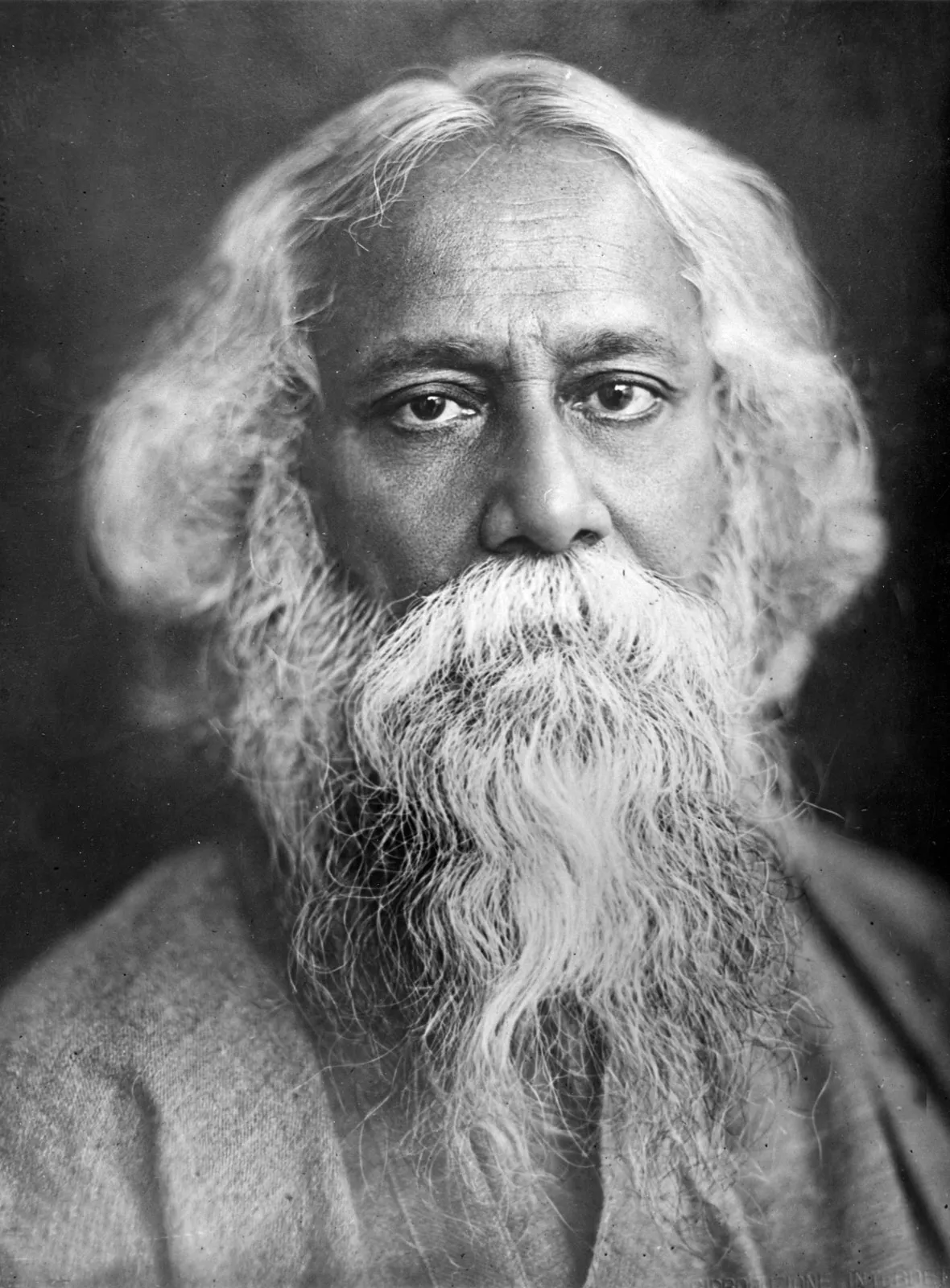
Rabindranath Tagore's poignant assertion, "Emancipation from the bondage of the soil is no freedom for the tree," invites us to reflect on the intricate relationship between freedom and rootedness. At first glance, one might interpret this as a critique of the desire for liberation that disregards the essential connections that ground us. This quote speaks to the heart of our existence, suggesting that true freedom cannot exist in isolation from our origins and the environments that nurture us. It compels us to consider what it means to be free and whether such freedom can be meaningful without a sense of belonging.
As we delve deeper into Tagore's wisdom, we recognize that the tree symbolizes not just a physical entity but also the essence of our being. The soil represents our heritage, culture, and the relationships that shape our identity. In a world that often equates freedom with detachment and independence, Tagore's words remind us that to sever our ties with our roots may lead to a hollow existence. This exploration of freedom invites us to reconsider our understanding of autonomy and the ways in which our connections to others and to the earth itself enrich our lives.
The image / the metaphor
Tagore's metaphor of the tree and the soil evokes a vivid image of nature's interconnectedness. The tree, a symbol of life and growth, relies on the soil for nourishment and stability. The verbs "emancipation" and "bondage" suggest a struggle, a tension between the desire for liberation and the necessity of grounding. This imagery resonates deeply, as it encapsulates the duality of existence—our yearning for freedom often clashes with the need for connection and support. The tree's roots, hidden beneath the surface, are as vital to its existence as the branches that reach for the sky.
Delving further into this metaphor, we can see that the tree's freedom is inherently tied to its roots. Without the soil, the tree cannot thrive; it becomes vulnerable to the elements, unable to withstand storms or drought. This relationship serves as a powerful reminder that our own freedom is similarly contingent upon the relationships and environments that sustain us. The tree's struggle is not merely one of physical survival but also a profound commentary on the human condition, where the quest for autonomy must be balanced with the acknowledgment of our interdependence.
In the speaker's tradition
Rabindranath Tagore's insights are deeply rooted in the Hindu philosophical tradition, which emphasizes the interconnectedness of all beings. Concepts such as dharma, or one's duty, highlight the importance of understanding our place within the larger tapestry of existence. The notion of kenosis, or self-emptying, resonates with Tagore's message, suggesting that true freedom arises not from self-assertion but from a deep awareness of our connections to others. In this light, emancipation is not merely a personal endeavor but a collective journey toward understanding our shared humanity.
Tagore's reflections can be further illuminated by examining the Bhagavad Gita, where Krishna advises Arjuna on the importance of fulfilling one's dharma while remaining unattached to the fruits of one's actions. This teaching echoes Tagore's assertion that freedom is not found in detachment from our roots but in the conscious engagement with our responsibilities and relationships. The Gita's emphasis on action rooted in awareness aligns with Tagore's vision of a life that honors both personal freedom and communal ties.
Living the teaching
In contemporary life, the teaching encapsulated in Tagore's quote can be observed in the experiences of individuals navigating the complexities of modern existence. Consider a young professional who moves to a bustling city in pursuit of career advancement. While they may feel liberated from the constraints of their hometown, they might also experience a profound sense of disconnection from their roots, family, and community. This scenario illustrates the tension between the desire for personal freedom and the need for a supportive network that fosters growth and resilience.
Another application of Tagore's wisdom can be found in the realm of relationships. Imagine a couple facing challenges in their partnership, where one partner seeks independence and space, believing that freedom lies in emotional detachment. However, this approach may lead to feelings of isolation and disconnection, ultimately undermining the relationship. By recognizing that true freedom in love requires vulnerability and a commitment to nurturing their bond, they can cultivate a deeper sense of connection that honors both their individuality and their shared journey.
A reflection
As we contemplate Tagore's profound insight, we are invited to reflect on our own lives and the ways in which we seek freedom. Are we, like the tree, striving to grow while remaining anchored in the soil of our relationships and heritage? In what ways can we embrace our roots while pursuing our aspirations? This contemplation encourages us to explore the delicate balance between autonomy and connection, prompting us to consider how we can cultivate a life that honors both our individuality and our interdependence.



