The Dawn of Faith: Embracing Light in Darkness
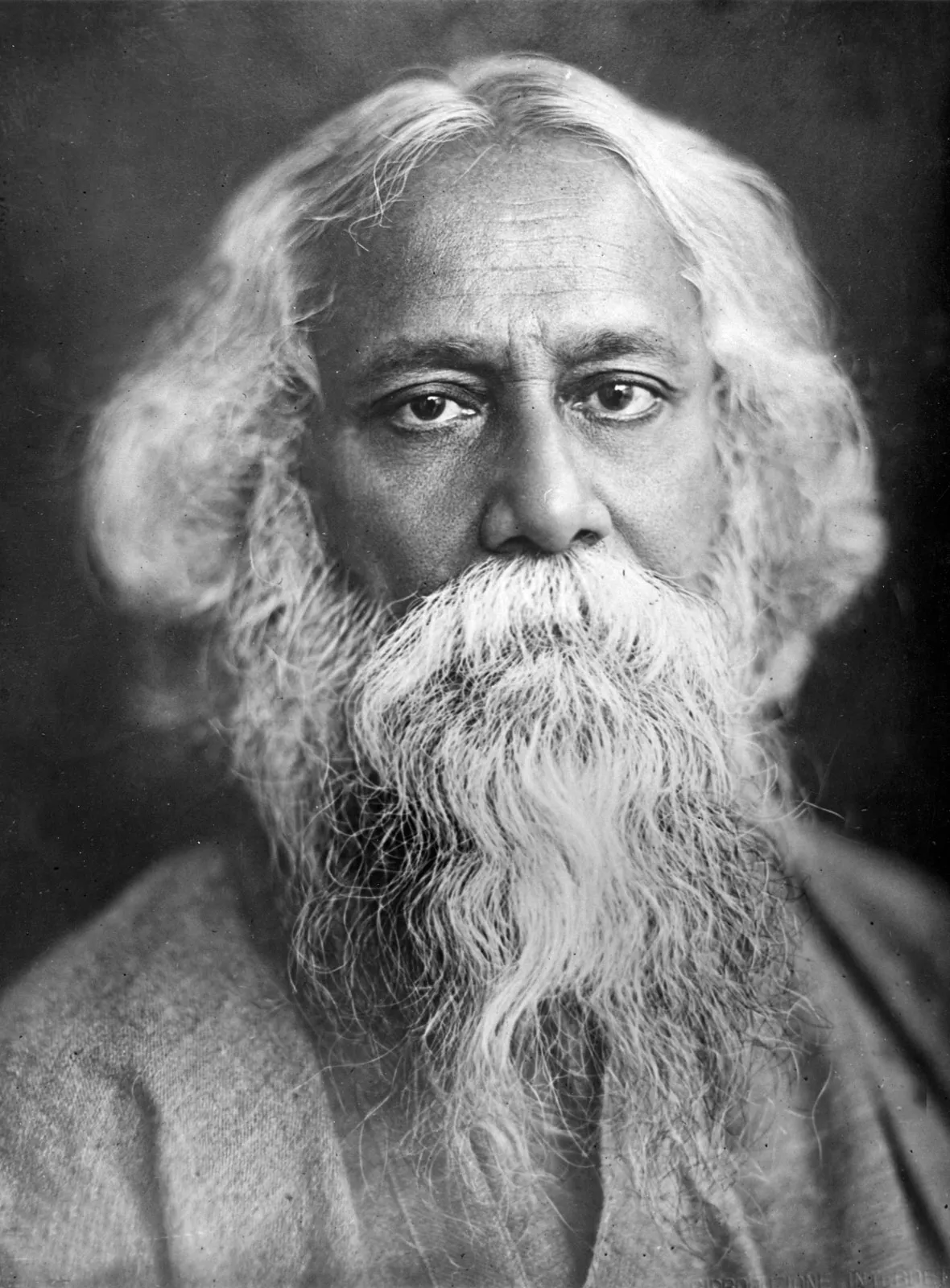
Rabindranath Tagore's poignant assertion, "Faith is the bird that feels the light when the dawn is still dark," invites us to explore the delicate interplay between faith and hope amidst uncertainty. In this metaphor, faith is not merely a passive belief but an active, instinctual response to the promise of light, even when the world around us remains shrouded in darkness. This quote resonates deeply in our contemporary lives, where uncertainty often looms large, and the dawn of clarity seems perpetually out of reach.
Tagore's words remind us that faith is an inherent quality of the human spirit, akin to a bird that instinctively knows when to rise and take flight. It speaks to the resilience required to navigate life's challenges, suggesting that even in our darkest moments, there exists a flicker of light waiting to be perceived. This understanding of faith as an anticipatory force is crucial, as it encourages us to cultivate a deeper awareness of our inner landscapes and the transformative potential they hold.
The image / the metaphor
The imagery of a bird sensing the light before dawn encapsulates a profound truth about faith. The choice of the bird as a symbol evokes notions of freedom, transcendence, and instinctual wisdom. Birds are often seen as messengers of hope, and their ability to perceive light in the absence of visibility speaks to an innate understanding that transcends mere sight. The verbs "feels" and "senses" suggest an intimate connection with the environment, highlighting that faith is not solely a cognitive exercise but a visceral experience that engages our entire being.
Diving deeper into this metaphor, we can see that the bird's experience of light is not merely about the arrival of dawn but about the anticipation and trust in its coming. This anticipation is a powerful aspect of faith; it is the ability to hold onto hope when evidence is lacking. The darkness before dawn serves as a reminder that the journey toward enlightenment often requires patience and perseverance, as we learn to navigate the shadows while remaining attuned to the light that lies ahead.
In the speaker's tradition
Rabindranath Tagore's insights are deeply rooted in the Hindu tradition, which emphasizes the importance of faith (shraddha) as a guiding principle in the pursuit of truth and self-realization. Concepts such as dharma, the moral order of the universe, and bhakti, the path of devotion, resonate with Tagore's understanding of faith as an active engagement with the divine. In this context, faith is not a blind leap but a conscious choice to align oneself with the greater cosmic order, trusting that light will emerge from darkness.
In the Bhagavad Gita, for instance, Krishna speaks to Arjuna about the importance of surrendering to the divine will, which echoes Tagore's sentiment. The Gita teaches that true wisdom (prajna) arises from recognizing the interplay of light and darkness within our lives. Just as the bird instinctively knows the dawn is near, so too must we cultivate an inner awareness that allows us to navigate our own uncertainties with grace and trust in the unfolding of our paths.
Living the teaching
Consider a modern scenario where this teaching resonates: a person facing a significant life transition, such as a job loss or the end of a relationship. In such moments, the darkness can feel overwhelming, and the future may appear bleak. However, by embodying the spirit of Tagore's quote, one can cultivate faith as a guiding force, allowing them to sense the potential for new beginnings even when the path forward is obscured. This faith can manifest as small acts of courage—applying for new jobs, reaching out to friends, or exploring new passions—each step taken in trust that light will eventually break through the darkness.
Another application of this teaching can be found in personal relationships, particularly during conflicts or misunderstandings. When faced with discord, it is easy to succumb to despair, believing that resolution is impossible. Yet, by embracing faith as Tagore describes, individuals can choose to believe in the possibility of reconciliation and understanding. This faith can inspire open communication and vulnerability, allowing the relationship to evolve and grow, much like the dawn that follows the darkest night.
A reflection
As we contemplate Tagore's profound words, we are invited to reflect on our own experiences of faith. In what areas of your life do you sense the light of possibility, even when surrounded by darkness? This question encourages us to explore the nuances of our faith, recognizing that it is not merely about believing in a positive outcome but about cultivating an inner resilience that allows us to navigate the complexities of life with grace and hope.



