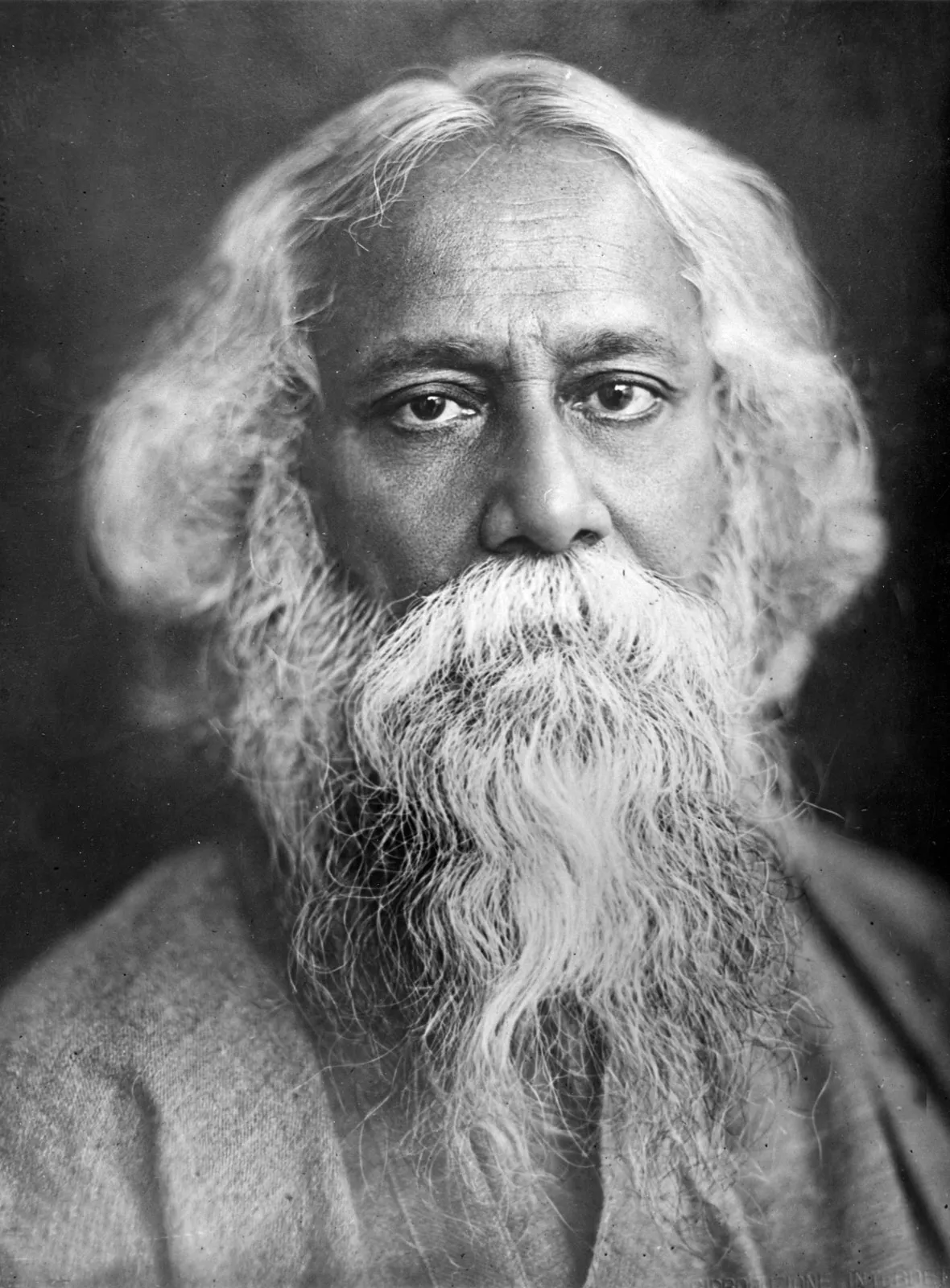
Shadows of the Self: The Prison of Ego
In the poignant words of Rabindranath Tagore, he reflects on the profound struggle of the self, encapsulated in the metaphor of a dungeon. The essence of his message reveals a deep yearning for liberation from the confines of ego, which he describes as a wall that he builds around himself. As this wall rises, it casts a shadow over his true being, obscuring the light of his authentic self. This quote invites us to contemplate the barriers we construct in our lives, often in the name of identity or security, and how these barriers can imprison us rather than set us free.
Tagore's insight resonates with the universal human experience of feeling trapped by our own creations—our names, roles, and societal expectations. The act of enclosing oneself with a name suggests a relinquishing of deeper truths in favor of superficial identities. This struggle is not merely personal; it reflects a collective condition where individuals often lose sight of their essence amidst the cacophony of external demands and internal fears. In recognizing this, we are called to examine the walls we build and the shadows they cast, prompting a journey toward self-awareness and liberation.
The image / the metaphor
Tagore's imagery is rich and evocative, painting a vivid picture of a person weeping in a dungeon, surrounded by the walls they have constructed. The use of the word "weeping" conveys a deep sense of sorrow and loss, suggesting that the act of building these walls is not one of strength but of vulnerability. The walls, which rise “into the sky,” symbolize the ever-increasing barriers that separate us from our true selves, illustrating how our attempts to define and protect our identity can lead to isolation. The juxtaposition of the dungeon—a place of confinement—and the sky—a symbol of freedom—highlights the tension between our aspirations and the realities of our self-imposed limitations.
Diving deeper into the metaphor, we can see that the "dark shadow" cast by the walls represents the obscured aspects of our being, the parts of ourselves that remain hidden from view. This shadow is not merely a void; it is filled with potential and authenticity that we often neglect in our pursuit of external validation. The act of losing sight of one’s true being speaks to the existential crisis many face when they prioritize societal expectations over personal truth. Tagore’s words serve as a reminder that the more we cling to our constructed identities, the further we drift from the essence of who we are.
In the speaker's tradition
Rabindranath Tagore's reflections are deeply rooted in the Hindu tradition, which emphasizes the importance of self-realization and the quest for truth. Concepts such as *dharma* (duty), *kenosis* (self-emptying), and *sunyata* (emptiness) resonate with his message. In Hindu philosophy, the ego is often seen as a barrier to experiencing the divine essence within oneself. Tagore’s lamentation over the walls he builds around his identity echoes the teachings of *bhakti*, which call for surrendering the ego in favor of a deeper connection with the divine, allowing for a more profound experience of love and unity.
In the *Bhagavad Gita*, a seminal text in Hindu philosophy, the dialogue between Arjuna and Krishna emphasizes the importance of transcending the ego to fulfill one’s true purpose. Krishna advises Arjuna to act without attachment to the fruits of his actions, encouraging a state of *prajna* (wisdom) that arises from selflessness. This wisdom aligns with Tagore’s message, as both highlight the necessity of moving beyond the confines of the self to discover a more expansive and authentic existence. The teachings of these texts remind us that true freedom lies not in the walls we build but in the courage to dismantle them.
Living the teaching
Consider a modern scenario where this teaching resonates: an individual striving for success in their career may find themselves overwhelmed by the expectations and pressures of their role. In their pursuit of recognition and achievement, they may inadvertently construct walls that isolate them from their passions and true desires. The stress of maintaining this facade can lead to feelings of emptiness and disconnection, mirroring Tagore’s experience of weeping in a dungeon. Recognizing this pattern can serve as a catalyst for change, prompting the individual to reassess their values and priorities, ultimately leading to a more authentic and fulfilling life.
In the realm of relationships, Tagore’s insights can also be profoundly applicable. Imagine a person who feels trapped in a cycle of conflict with a loved one, often driven by ego and the need to be right. The walls built from pride and defensiveness can obscure the love and connection that initially brought them together. By acknowledging the shadows cast by their ego, they may find the courage to engage in open communication and vulnerability, allowing for healing and reconnection. This practice of dismantling the walls of ego can transform relationships, fostering deeper understanding and compassion.
A reflection
As we contemplate Tagore’s poignant words, we are invited to reflect on our own lives: What walls have we built around ourselves, and how do they obscure our true being? In what ways do we allow our identities to define us, potentially leading us away from our authentic selves? This contemplation encourages us to explore the shadows we cast and to seek the light of our true essence, prompting a journey toward greater self-awareness and liberation.



