The Freedom of Tension: Finding Harmony in Discipline
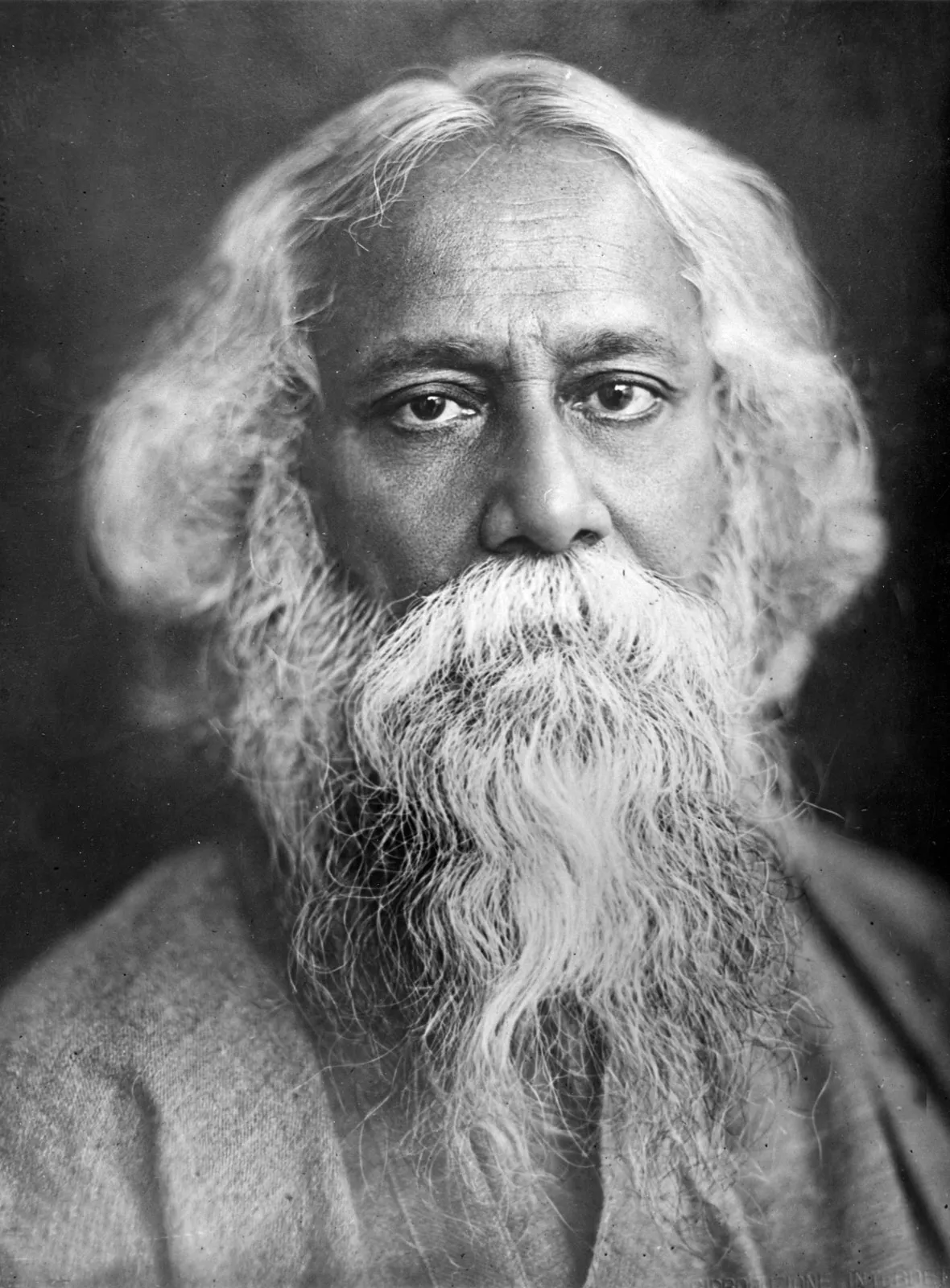
In the words of Rabindranath Tagore, the violin string serves as a profound metaphor for the interplay between freedom and discipline. He illustrates that while the string is free in its natural state, it cannot fulfill its purpose until it is fixed and tightened within the structure of a violin. This tension, paradoxically, is what allows it to produce music. Tagore's insight invites us to reflect on our own lives, suggesting that true freedom often requires a commitment to discipline and structure, enabling us to express our authentic selves.
This notion resonates deeply within the human experience, where the quest for freedom often collides with the need for boundaries. In a world that celebrates individualism, we may overlook the importance of discipline as a means to cultivate our talents and passions. Tagore's metaphor encourages us to consider how we might harness our innate potential through the frameworks we create, ultimately leading to a more harmonious existence. The essence of his teaching lies in the understanding that freedom is not merely the absence of constraints, but rather the ability to flourish within them.
The image / the metaphor
Tagore's imagery of the violin string is rich with meaning. The string, in its unrestrained state, symbolizes potential and freedom, yet it is only when it is fixed and tightened that it can fulfill its purpose. The verbs "twist" and "tighten" evoke a sense of action and transformation, suggesting that freedom is not a static condition but a dynamic process. This felt sense of movement captures the essence of artistic expression, where the tension between freedom and structure creates a space for creativity to emerge.
Diving deeper into the metaphor, we can see that the violin string represents not just individual potential but also the collective harmony of a community. Each string, when properly tuned and played, contributes to a greater symphony. This interconnectedness highlights the importance of discipline—not only for personal growth but also for the enrichment of the whole. In this way, Tagore's metaphor serves as a reminder that our individual journeys are intricately linked to the larger tapestry of life, where each note contributes to the overall melody.
In the speaker's tradition
Rabindranath Tagore's insights are deeply rooted in the Hindu tradition, where concepts such as dharma and bhakti illuminate the relationship between freedom and discipline. Dharma, often translated as duty or righteousness, emphasizes the importance of living in accordance with one's true nature and responsibilities. This aligns with Tagore's assertion that true freedom arises from embracing the structures that guide us toward our higher purpose. Similarly, bhakti, or devotion, encourages a surrender to a greater force, allowing individuals to find freedom within the confines of love and service.
Tagore's work can be likened to the teachings found in the Bhagavad Gita, where the concept of selfless action (karma yoga) underscores the importance of performing one's duty without attachment to the fruits of one's labor. In this text, Lord Krishna advises Arjuna to engage in disciplined action, suggesting that true freedom is found not in the avoidance of responsibility but in the embrace of one's path. This parallel reinforces Tagore's message that the tension between freedom and discipline is essential for realizing our fullest potential.
Living the teaching
Consider a modern scenario where this teaching resonates: an aspiring musician who dreams of performing on stage. Initially, the musician may feel overwhelmed by the constraints of practice and discipline, viewing them as limitations to their freedom. However, as they commit to daily practice, honing their skills and embracing the structure of lessons, they begin to experience the joy of creating music. In this way, the discipline of practice transforms their initial perception of freedom, allowing them to express their artistry fully.
A reflection
As we contemplate Tagore's profound metaphor, we are invited to reflect on our own lives: What are the structures or disciplines that can help us realize our true potential? In what ways might we be resisting the very frameworks that could lead us to a more harmonious existence? By engaging with these questions, we can begin to understand that the path to freedom is often paved with the very disciplines we may initially resist, guiding us toward a fuller expression of ourselves.



