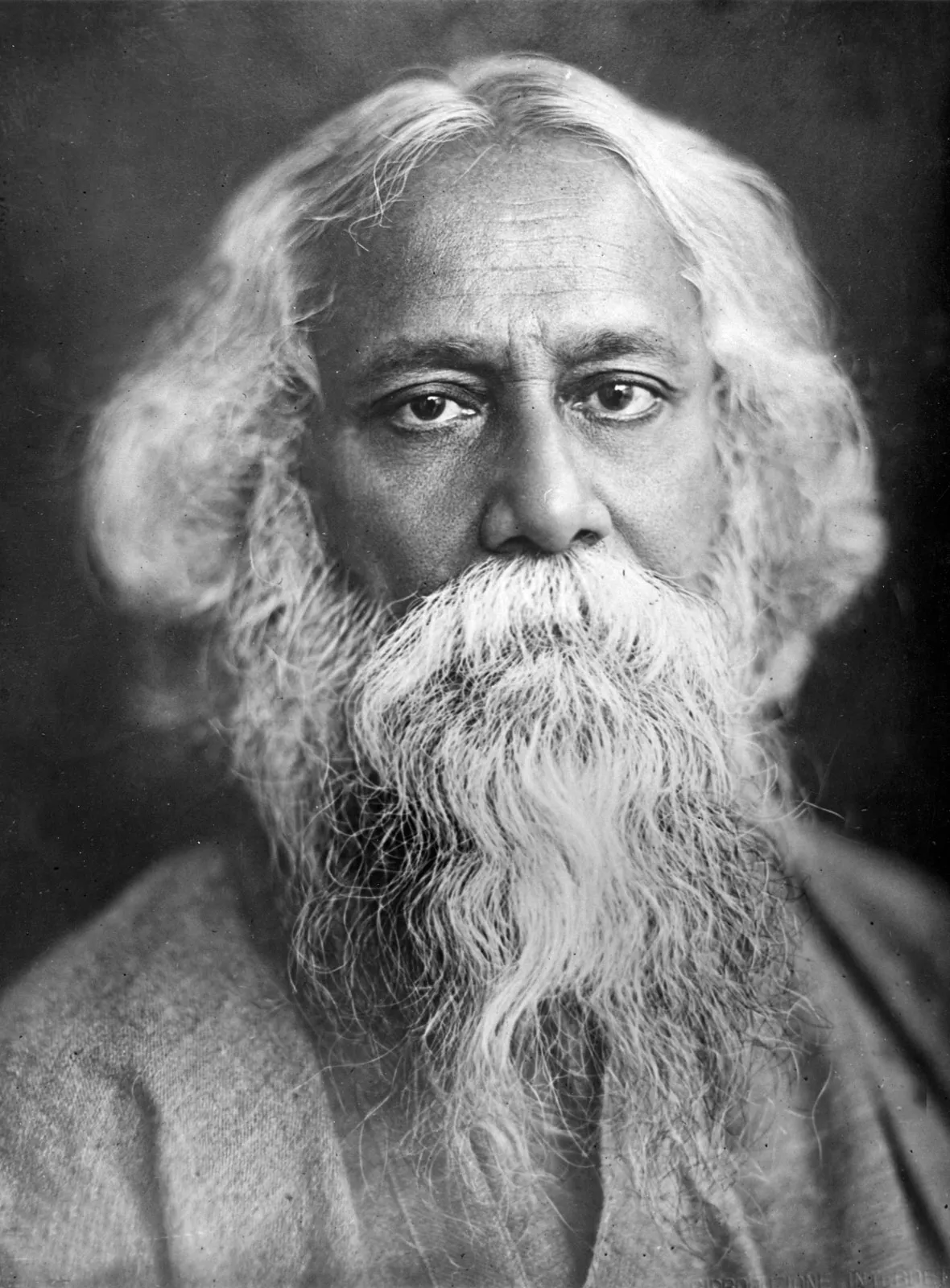
The Unstrung Instrument: A Journey Towards the Unsung Song
Rabindranath Tagore poignantly reflects on the human experience of longing and unfulfilled purpose in his quote, "I have spent my days stringing and unstringing my instrument while the song I came to sing remains unsung." This metaphor captures the essence of our lives, where we often find ourselves caught in the mechanics of existence, distracted by the mundane, while our true calling remains elusive. The stakes are high, as this unfulfilled potential can lead to a profound sense of dissatisfaction and yearning, urging us to seek deeper meaning in our actions and aspirations.
Tagore's words resonate with a universal truth: the struggle between our daily routines and our innermost desires. The act of "stringing and unstringing" suggests a repetitive cycle, one that many of us can relate to in our own lives. We often become so engrossed in the tasks at hand that we neglect the deeper song that yearns to be expressed. This quote invites us to reflect on our own lives, to consider what songs remain unsung within us, and to ponder how we might bridge the gap between our daily existence and our higher purpose.
The image / the metaphor
At first glance, Tagore's imagery of an instrument being strung and unstrung evokes a sense of both artistry and frustration. The instrument symbolizes our potential, our unique gifts and talents, while the act of stringing and unstringing represents the preparation and the struggle that often accompany creative expression. The verbs chosen—"stringing" and "unstringing"—imply a cyclical process, one that is both laborious and necessary, yet ultimately unfulfilling when the song itself remains unheard. This tension between preparation and expression is palpable, as it speaks to the heart of the creative process.
Diving deeper into the metaphor, we can see that the "song" Tagore refers to is not merely a musical composition but rather the essence of our being—the unique contributions we are meant to share with the world. The unsung song embodies our dreams, aspirations, and the impact we wish to have on others. It serves as a reminder that while we may engage in the mechanics of life, it is the expression of our true selves that brings fulfillment. The metaphor thus challenges us to consider what it means to live authentically and to seek out the avenues through which we can share our song with the world.
In the speaker's tradition
Rabindranath Tagore's reflections are deeply rooted in the Hindu tradition, which emphasizes the concepts of dharma and the pursuit of one's true purpose. In this context, dharma refers to the moral and ethical duties that guide an individual's life, aligning one's actions with their higher calling. Tagore's quote resonates with the idea of kenosis, the self-emptying of one's own will to make way for a greater purpose. This selflessness is essential in the quest for authenticity, as it allows us to transcend our ego and connect with the deeper currents of existence.
Moreover, Tagore's insights can be likened to the teachings found in the Bhagavad Gita, where Arjuna grapples with his duty and the call to action. In this sacred text, Krishna urges Arjuna to embrace his dharma as a warrior, emphasizing that true fulfillment arises from aligning one's actions with one's higher purpose. The Gita teaches that the journey towards self-realization often involves overcoming internal conflicts and distractions, much like the struggle Tagore describes in his own life. This connection to the Gita underscores the timeless relevance of Tagore's message, inviting us to reflect on our own paths and the songs we are meant to sing.
Living the teaching
In our modern lives, the teaching encapsulated in Tagore's quote can manifest in various scenarios. Consider a professional who feels trapped in a job that pays the bills but does not ignite their passion. They may find themselves "stringing and unstringing" their skills, engaging in tasks that feel repetitive and uninspired, while their true calling—perhaps as an artist, teacher, or healer—remains unexpressed. This situation highlights the importance of recognizing the gap between our daily activities and our deeper aspirations, prompting us to seek out opportunities that align with our authentic selves.
Another application of this teaching can be found in personal relationships. Imagine a person who yearns to express their love and appreciation for a partner but often holds back due to fear or insecurity. In this case, the "unsung song" represents the affection and connection that could deepen their relationship. By acknowledging this longing and taking steps to express their feelings, they can transform their interactions, enriching both their lives and the lives of those around them. Tagore's wisdom encourages us to confront these moments of hesitation and to find the courage to share our songs, fostering deeper connections and a more fulfilling existence.
A reflection
As we contemplate Tagore's poignant words, we are invited to reflect on our own lives and the songs that remain unsung. What dreams or aspirations have you set aside in the hustle of daily life? In what ways can you begin to bridge the gap between your current existence and the deeper purpose that calls to you? Allow these questions to guide your contemplation, as you explore the potential within you waiting to be expressed.



