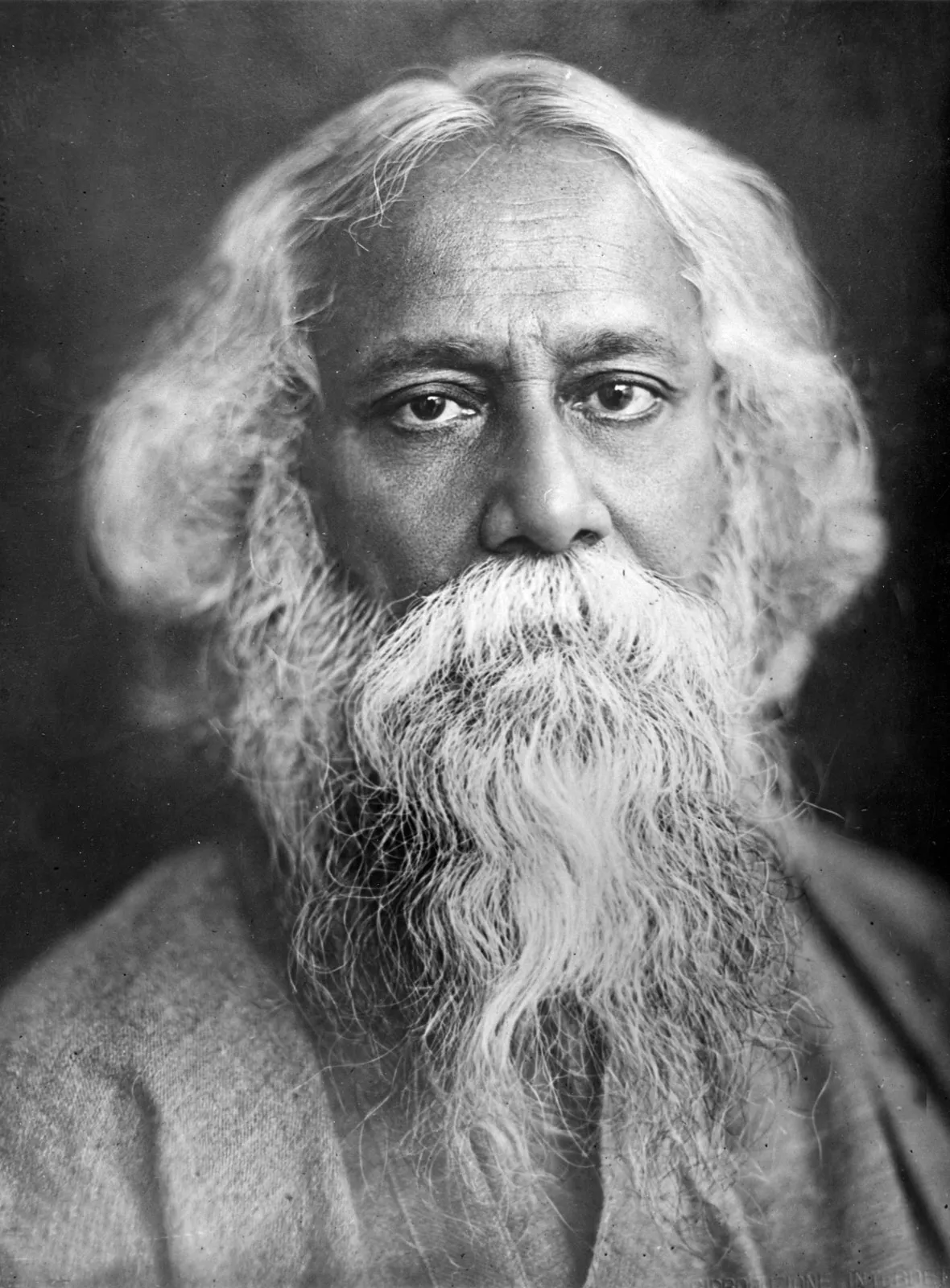
Finding Stars in the Darkness
Rabindranath Tagore's poignant observation, "If you cry because the sun has gone out of your life, your tears will prevent you from seeing the stars," invites us to reflect on the interplay between loss and perspective. This quote encapsulates a profound truth about human experience: when we dwell in sorrow, we often become blind to the beauty and hope that still exists around us. The stakes are high; our emotional responses can either anchor us in despair or liberate us to discover new possibilities.
In a world that often feels overwhelming, Tagore's words serve as a gentle reminder that acceptance is a crucial aspect of navigating our emotional landscapes. The sun, a symbol of warmth, life, and joy, may indeed set, leaving us in darkness. Yet, it is in this very darkness that we may find the stars—symbols of hope, guidance, and new beginnings. This duality of experience is essential to our spiritual growth, urging us to shift our focus from what we have lost to what remains, and what can still be gained.
The image / the metaphor
The imagery in Tagore's quote is rich and evocative. The sun represents the light of joy and fulfillment, while the act of crying signifies deep sorrow and loss. The tears that flow from our grief can cloud our vision, preventing us from perceiving the stars—those glimmers of hope and beauty that persist even in our darkest moments. The verbs chosen—"cry," "gone out," and "prevent"—convey a sense of urgency and emotional weight, illustrating how our grief can obscure our ability to see beyond our immediate pain.
In the speaker's tradition
Tagore's wisdom is deeply rooted in the Hindu tradition, which emphasizes concepts such as acceptance (samatva) and the impermanence of life (anitya). The notion of dharma, or one's duty, also plays a role here; it encourages us to accept the ebb and flow of existence while remaining open to the lessons that arise from both joy and sorrow. In this context, the act of crying can be seen as a natural response to loss, yet it also serves as an invitation to cultivate a broader perspective that allows us to recognize the stars that remain.
In the Bhagavad Gita, for instance, Krishna advises Arjuna to rise above his grief and fulfill his dharma as a warrior. This call to action amidst sorrow echoes Tagore's message, urging us to transcend our immediate emotional responses and seek the greater truths that lie beyond. The Gita teaches that through selfless action and acceptance, we can navigate the complexities of life, ultimately finding peace and clarity even in the face of adversity.
Living the teaching
Consider a modern scenario where this teaching resonates: a person experiences the end of a significant relationship. The initial reaction may be one of profound sadness, leading to tears that obscure their ability to see the potential for new connections and personal growth. In this moment, Tagore's quote serves as a reminder that while it is natural to grieve, it is equally important to shift focus toward the opportunities that lie ahead—new friendships, self-discovery, and the chance to redefine one's path.
Another application of this teaching can be found in the workplace, where an individual faces a setback, such as a failed project or a missed promotion. The emotional response may be one of disappointment and frustration, akin to crying over the sun's disappearance. However, by embracing this moment of darkness, they can reflect on the lessons learned, seek feedback, and ultimately find new avenues for growth and success. In both scenarios, the act of looking for the stars—those glimmers of hope and possibility—becomes essential for moving forward.
A reflection
As we contemplate Tagore's profound insight, we are invited to ask ourselves: What stars might I be overlooking in my life due to my current grief or disappointment? This question encourages us to explore the areas where we may be clinging to loss, allowing our tears to cloud our vision. By shifting our perspective, we can begin to uncover the beauty and potential that still exists, even in the shadows of our experiences.



