Embracing Pain: The Heart's Journey Toward Courage
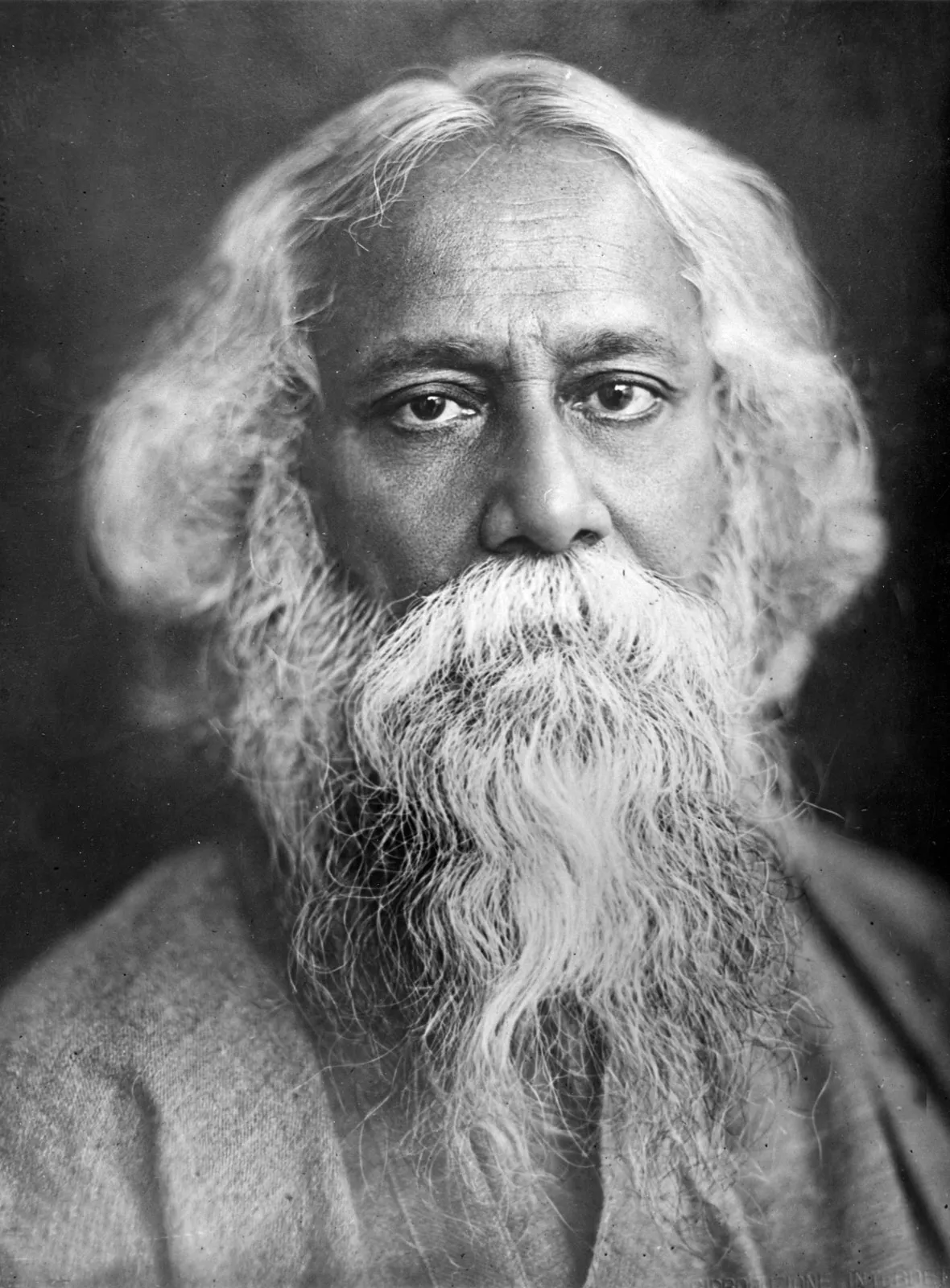
In the poignant words of Rabindranath Tagore, "Let me not beg for the stilling of my pain but for the heart to conquer it," we find a profound invitation to engage with our suffering rather than flee from it. This quote encapsulates a transformative approach to pain, urging us to cultivate inner strength and resilience. It speaks to the human condition, where suffering is often inevitable, yet how we respond to it defines our spiritual journey. Tagore's wisdom invites us to seek not the absence of pain, but the courage to face it, a distinction that holds significant implications for our personal growth.
As we delve deeper into this quote, we uncover layers of meaning that resonate with the complexities of life. Pain, whether emotional or physical, can feel overwhelming, leading us to desire its immediate cessation. However, Tagore's perspective shifts the focus from a passive yearning for relief to an active pursuit of strength and fortitude. This shift is not merely a change in mindset; it is a call to embrace the full spectrum of human experience, recognizing that through our struggles, we can cultivate a heart capable of overcoming adversity. In this light, pain becomes a teacher, guiding us toward deeper self-awareness and compassion.
The image / the metaphor
Tagore's quote employs vivid imagery that evokes a sense of struggle and triumph. The act of "begging for the stilling of my pain" conjures a picture of desperation, a plea for relief that many can relate to in moments of distress. In contrast, the phrase "the heart to conquer it" suggests a powerful, almost heroic endeavor. The verbs chosen—"beg" and "conquer"—highlight the dichotomy between passivity and agency, illustrating the choice we face when confronted with suffering. This imagery invites us to visualize our hearts as warriors, capable of rising above the challenges that life presents.
Diving deeper into the metaphor, we see that the heart symbolizes not just emotional capacity but also the essence of our being. To "conquer" pain implies a transformation that transcends mere endurance; it suggests an active engagement with our suffering that leads to growth. This metaphor resonates with the idea that true strength lies not in the absence of pain but in the ability to navigate through it with grace and courage. In this sense, Tagore invites us to reframe our relationship with pain, viewing it as a catalyst for personal evolution rather than a mere burden to bear.
In the speaker's tradition
Rabindranath Tagore's insights are deeply rooted in the Hindu tradition, which emphasizes the importance of dharma, or righteous duty, in navigating life's challenges. The concept of dharma encourages individuals to confront their circumstances with integrity and courage, aligning their actions with a higher purpose. Tagore's call to conquer pain resonates with the idea of kenosis, the self-emptying love that allows for transformation and growth. In this context, the heart's journey becomes a sacred path, where suffering is not merely endured but embraced as a vital aspect of one's spiritual evolution.
Furthermore, Tagore's perspective aligns with the Buddhist notion of sunyata, or emptiness, which teaches that our attachments to pain and suffering can lead to greater suffering. By seeking the heart to conquer pain, we engage in a process of letting go—releasing our attachment to the idea of a pain-free existence. This echoes the teachings found in the Bhagavad Gita, where Arjuna learns to face his fears and doubts on the battlefield of life, ultimately discovering that true strength arises from within. Tagore's wisdom, therefore, is a timeless reminder that our struggles can lead us to profound insights and deeper connections with ourselves and others.
Living the teaching
Consider a modern scenario where this teaching can be applied: a person grappling with the loss of a loved one. In the immediate aftermath, the desire to escape the pain is overwhelming, leading to feelings of despair and isolation. However, if one were to embrace Tagore's teaching, they might instead seek the heart to confront their grief. This could manifest as allowing oneself to feel the depth of sorrow, sharing memories with others, or engaging in rituals that honor the deceased. Through this process, the individual not only acknowledges their pain but also discovers the strength to navigate their grief, ultimately finding a sense of peace and connection.
Another application of this teaching can be found in the context of relationships. Imagine a couple facing a significant conflict that threatens to unravel their bond. The instinct may be to avoid the discomfort of confrontation, to wish for the pain of disagreement to simply vanish. Yet, embracing Tagore's wisdom would encourage them to confront their issues with courage, fostering open communication and vulnerability. By choosing to engage with their pain rather than evade it, they create an opportunity for deeper understanding and healing, transforming their relationship into a more resilient partnership.
A reflection
As we reflect on Tagore's profound words, we are invited to consider: How can we cultivate the heart to conquer our own pain? This question encourages us to explore our relationship with suffering, prompting us to identify areas in our lives where we may be seeking escape rather than engagement. In this contemplation, we may uncover the potential for growth and transformation that lies within our struggles, ultimately leading us toward a more courageous and authentic existence.



