Embracing the Storm: The Courage to Face Life's Challenges
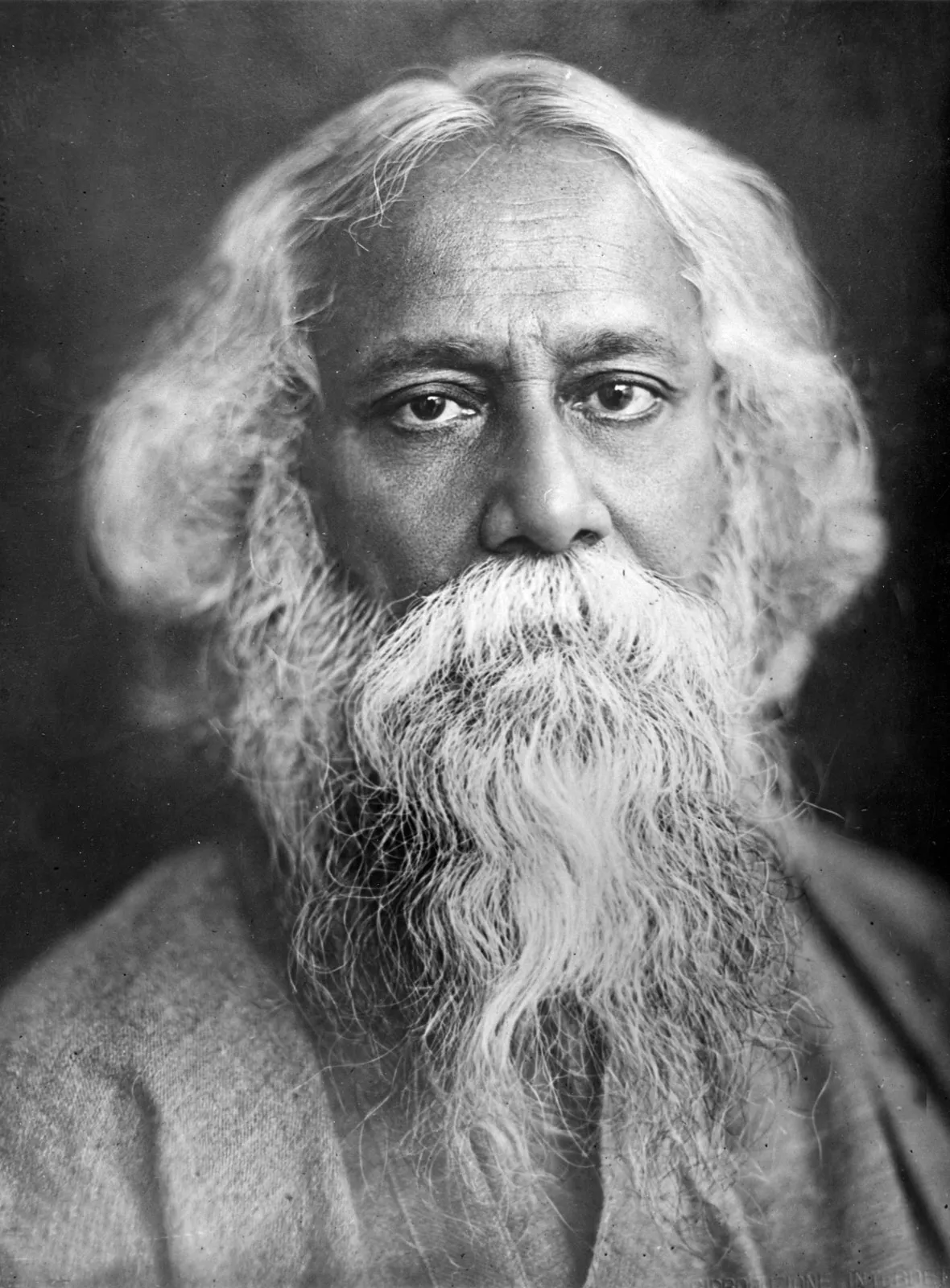
Rabindranath Tagore's poignant declaration, "Let me not pray to be sheltered from dangers but to be fearless in facing them," invites us to reconsider the nature of our prayers and desires. Rather than seeking refuge from life's inevitable trials, Tagore urges us to cultivate a spirit of courage that empowers us to confront our fears head-on. This perspective is not merely an act of bravado; it is a profound spiritual practice that acknowledges the reality of suffering while simultaneously embracing the transformative potential of resilience.
In a world often characterized by uncertainty and adversity, Tagore's words resonate deeply. They challenge us to shift our focus from avoidance to engagement, from seeking comfort to embracing growth. This shift is crucial, as it reframes our relationship with fear and danger, transforming them from obstacles into opportunities for spiritual and personal development. By inviting us to pray for fearlessness, Tagore illuminates a path toward a more authentic existence, one that recognizes the strength found in vulnerability and the wisdom gained through facing our challenges.
The image / the metaphor
At the heart of Tagore's quote lies a vivid imagery that contrasts the desire for safety with the call to courage. The act of praying for shelter suggests a longing for protection, a common human instinct to avoid discomfort and danger. However, Tagore subverts this instinct by emphasizing the importance of facing those very dangers. The verbs "pray" and "face" evoke a dynamic interplay between the spiritual and the practical, suggesting that true strength lies not in evasion but in engagement with life's trials.
Diving deeper into the metaphor, we find that Tagore's call to fearlessness is not merely about confronting external dangers; it is also an invitation to explore the internal landscapes of our fears. The imagery of facing dangers implies a confrontation with the unknown, a willingness to step into the chaos of life with an open heart. This metaphorical journey encourages us to recognize that fear is not an enemy to be vanquished but a companion that can guide us toward deeper understanding and growth.
In the speaker's tradition
Rabindranath Tagore's insights are deeply rooted in the Hindu tradition, which emphasizes the concepts of dharma and the pursuit of truth. In this context, dharma refers to the moral and ethical duties that guide one's actions, often requiring individuals to confront challenges with integrity and courage. Tagore's perspective aligns with the idea of kenosis, or self-emptying, where one relinquishes the desire for personal safety in favor of a greater purpose. This spiritual surrender allows for the emergence of a fearless heart, capable of navigating the complexities of existence.
Moreover, Tagore's call to face dangers resonates with the Buddhist concept of sunyata, or emptiness, which teaches that our fears often stem from attachments and illusions. By embracing fearlessness, we can transcend these attachments and discover a profound sense of freedom. In his work, Tagore often reflects on the interconnectedness of all beings, echoing the teachings of bhakti, or devotion, which encourages us to act with love and courage in the face of adversity. His poetry serves as a reminder that the journey toward fearlessness is not a solitary endeavor but a collective experience that binds us to one another.
Living the teaching
Consider a modern scenario where Tagore's teaching can be applied: a young professional facing the daunting prospect of a job interview. The natural inclination might be to pray for a smooth experience, free from anxiety and challenges. However, embracing Tagore's wisdom would mean shifting that prayer to a request for courage to face the uncertainties of the interview process. This approach transforms the experience from one of fear to one of opportunity, allowing the individual to engage authentically with their potential employer and showcase their true self.
In a different context, imagine a relationship strained by misunderstandings and unspoken fears. Instead of seeking to avoid conflict or praying for a resolution that shields both parties from discomfort, Tagore's teaching encourages an open dialogue where both individuals confront their fears and vulnerabilities. This courageous engagement can lead to deeper intimacy and understanding, fostering a relationship built on trust and authenticity. In both scenarios, the essence of Tagore's message is clear: true strength lies not in avoiding challenges but in facing them with an open heart and mind.
A reflection
As we contemplate Tagore's profound words, we are invited to reflect on our own relationship with fear and danger. What are the challenges in our lives that we seek to avoid, and how might we transform our approach to these situations? In what ways can we cultivate a spirit of fearlessness that allows us to engage more fully with the world around us? These questions serve as a guiding light, encouraging us to embrace the complexities of life with courage and grace.



