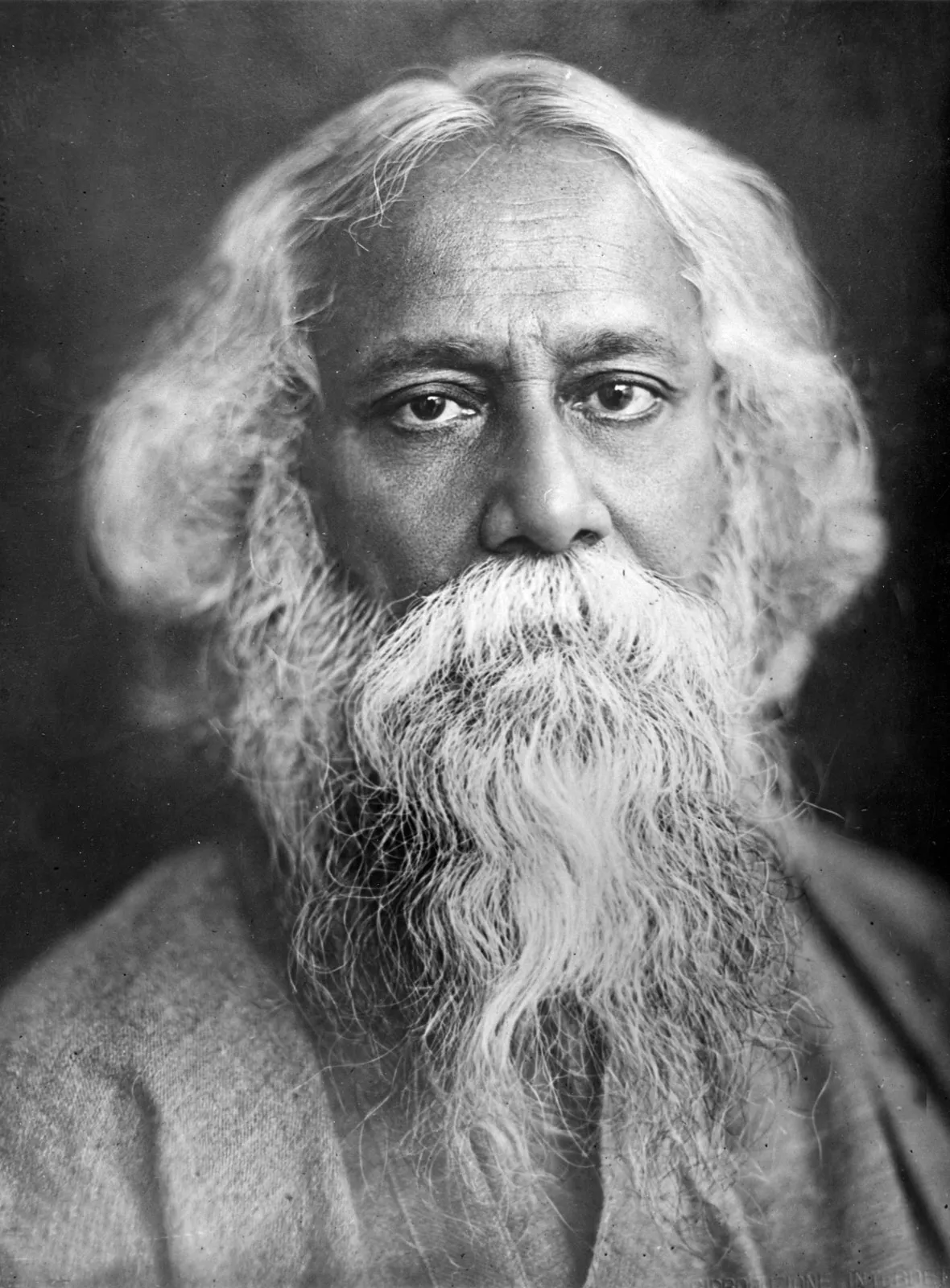
Embracing the Joy of Existence
Rabindranath Tagore's evocative words, "On the seashore of endless worlds children meet with shouts and dances," invite us to envision a realm where innocence and joy converge. In this vibrant imagery, children symbolize the untainted spirit of humanity, celebrating life amidst the vastness of existence. This quote speaks to the essence of joy, urging us to reconnect with our inner child and embrace the exuberance that life offers, even in the face of uncertainty. It matters profoundly because it reminds us that joy is not merely a fleeting emotion but a fundamental aspect of our being, waiting to be rediscovered.
As we delve deeper into Tagore's vision, we recognize that the seashore serves as a metaphorical boundary between the known and the unknown, the finite and the infinite. The children, with their shouts and dances, embody a pure, unfiltered expression of joy that transcends the limitations of adult concerns. This imagery compels us to reflect on our own lives, questioning how often we allow ourselves to experience such unrestrained joy. In a world often overshadowed by seriousness and obligation, Tagore's words beckon us to reclaim our capacity for joy, inviting us to dance along the shores of our own endless worlds.
The image / the metaphor
The imagery of children meeting on the seashore evokes a sense of boundless possibility and unrestrained joy. The verbs "meet," "shouts," and "dances" are dynamic and alive, suggesting a spontaneous celebration of life. The seashore itself is a liminal space, a threshold where the land meets the sea, symbolizing the intersection of different realms—perhaps the material and the spiritual, the mundane and the extraordinary. This vivid scene captures the essence of childhood, where joy is instinctual and unencumbered by the complexities that often accompany adulthood.
Diving deeper into the metaphor, we can see that the "endless worlds" represent the myriad experiences and possibilities that life offers. Each child’s shout and dance can be seen as an expression of their unique spirit, a reminder that joy is not a singular experience but a multifaceted one, shaped by individual perspectives and contexts. Tagore invites us to recognize that, like children, we possess the innate ability to engage with the world around us in a joyful manner, regardless of the circumstances. This metaphor serves as a powerful reminder that joy is not just an emotion but a way of being in the world, one that is accessible to all of us if we choose to embrace it.
In the speaker's tradition
Rabindranath Tagore's work is deeply rooted in the Hindu tradition, which emphasizes the interconnectedness of all beings and the importance of joy as a spiritual practice. Concepts such as *bhakti*, or devotion, resonate with the idea of celebrating life with childlike wonder. In this context, joy becomes a form of worship, a way to connect with the divine presence that permeates the universe. Tagore's perspective aligns with the notion of *samsara*, the cycle of birth and rebirth, where each moment is an opportunity to experience joy and transcend suffering through awareness and presence.
In Tagore's poetry, we often find references to nature and the cosmos, reflecting the interconnectedness of all existence. His work echoes the teachings found in the *Bhagavad Gita*, where Krishna speaks of performing one's duty with joy and detachment. Just as the children on the seashore dance freely, so too does the Gita encourage us to engage with life wholeheartedly, without attachment to the outcomes. This alignment with the spiritual tradition invites us to view joy not merely as a fleeting emotion but as a profound expression of our connection to the universe and to each other.
Living the teaching
Imagine a moment in your life when you felt the weight of responsibilities pressing down on you, perhaps during a busy workweek or a challenging family situation. In such instances, Tagore's quote serves as a gentle reminder to seek out the joy that exists even amidst chaos. Picture a child at the beach, unfazed by the waves crashing around them, reveling in the simple pleasure of the moment. By allowing ourselves to embrace our inner child, we can find joy in the small things—a shared laugh, a moment of play, or the beauty of nature—transforming our perspective and enriching our daily lives.
In relationships, this teaching can manifest as a call to cultivate joy and playfulness with those we love. During difficult moments, when misunderstandings arise or tensions escalate, we can choose to respond with the spirit of a child, approaching the situation with openness and a willingness to dance through the discomfort. By fostering an environment where joy is prioritized, we create space for healing and connection, allowing our relationships to flourish. Tagore's words remind us that joy is not just an individual experience but a collective one, capable of transforming our interactions and deepening our bonds with others.
A reflection
As we contemplate Tagore's invitation to embrace joy, we might ask ourselves: How can I cultivate a sense of childlike wonder in my daily life? In what ways can I allow joy to permeate my interactions and experiences, even amidst challenges? This reflection invites us to explore the spaces in our lives where joy can flourish, encouraging us to dance along the shores of our own endless worlds, celebrating the beauty of existence with every shout and every step.



