The Dance of Power and Love: A Contemplation on Freedom
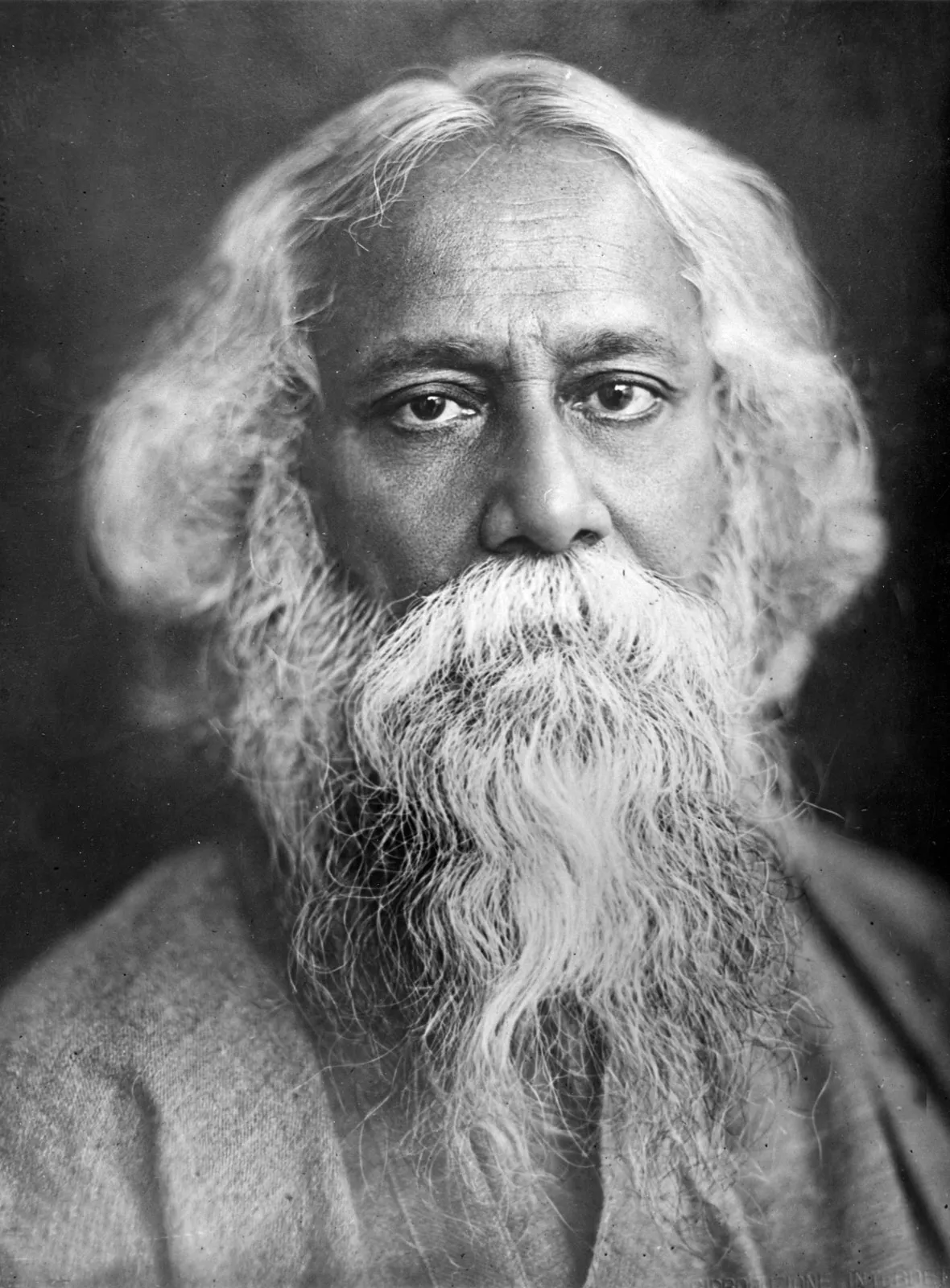
In the poignant words of Rabindranath Tagore, power asserts dominion over the world, claiming it as its own, while love offers a gentle invitation, declaring its belonging. This duality encapsulates a profound truth about the nature of human experience: power often seeks to control and confine, whereas love seeks to liberate and connect. The stakes of this dichotomy are high, as they shape our relationships, our societies, and ultimately, our understanding of freedom itself. Tagore's insight invites us to reflect on how we navigate these forces in our lives.
As we delve deeper into this quote, we uncover the contrasting energies of power and love. Power, with its authoritative voice, demands allegiance and submission, often leading to a sense of entrapment. In contrast, love, with its tender whisper, fosters an environment of acceptance and freedom. This exploration is not merely an intellectual exercise; it is a call to examine how we engage with these forces within ourselves and in our interactions with others. Tagore's words resonate with a timeless wisdom that challenges us to choose love over power, freedom over control.
The image / the metaphor
Tagore's imagery is rich and evocative, painting a vivid picture of power and love as distinct yet intertwined forces. The phrase "Power said to the world, 'You are mine'" conjures an image of a ruler claiming ownership, a throne adorned with the weight of authority. In contrast, "Love said to the world, 'I am thine'" evokes a sense of surrender and mutual belonging, where love is not a possession but a shared experience. The verbs chosen—'said,' 'kept,' 'gave'—imbue the quote with a dynamic quality, suggesting an ongoing dialogue between these two forces.
Delving deeper into the metaphor, we see that power often manifests as a rigid structure, one that can imprison both the powerful and the powerless. Love, however, is fluid and expansive, offering a sanctuary where freedom flourishes. The world, as depicted in Tagore's quote, becomes a stage where these forces play out, revealing the consequences of our choices. This metaphor invites us to consider how we might embody love in our own lives, creating spaces where freedom can thrive rather than be stifled by the weight of power.
In the speaker's tradition
Rabindranath Tagore's insights are deeply rooted in the Hindu tradition, which emphasizes the interplay of love, duty, and the pursuit of truth. Concepts such as bhakti, or devotional love, highlight the importance of surrendering oneself to a higher power, echoing the sentiment that love is a path to liberation. In this context, power can be seen as a manifestation of ego, while love represents the essence of dharma, or righteous living. Tagore's perspective invites us to reflect on how these concepts inform our understanding of freedom and connection.
Moreover, Tagore's exploration of love and power resonates with the teachings found in texts like the Bhagavad Gita, where the tension between duty and desire is a central theme. In the Gita, Krishna advises Arjuna to act selflessly, transcending the confines of power and embracing the path of love and service. This alignment with Tagore's message underscores the idea that true freedom arises not from domination but from the compassionate embrace of others, allowing love to guide our actions.
Living the teaching
In our modern lives, the teaching of Tagore's quote can be observed in various contexts, particularly in the realm of leadership. Consider a workplace scenario where a manager exerts power through control and micromanagement, creating an environment of fear and compliance. In contrast, a leader who embodies love fosters collaboration and trust, empowering team members to express their ideas freely. This shift from power to love not only enhances productivity but also nurtures a culture of creativity and innovation, illustrating the transformative potential of love in action.
On a more personal level, we can apply this teaching within our relationships. Imagine a moment of conflict with a loved one, where the urge to assert power and be right threatens to create distance. By choosing to respond with love—listening deeply, validating feelings, and seeking understanding—we create a space for healing and connection. This practice of prioritizing love over power in our daily interactions cultivates a sense of freedom, allowing both ourselves and others to be fully seen and accepted.
A reflection
As we contemplate Tagore's profound words, we are invited to reflect on our own lives and the dynamics of power and love that shape our experiences. In what ways do we find ourselves clinging to power, and how might we instead embrace love as a guiding principle? This question encourages us to explore the choices we make in our relationships, our work, and our communities, prompting a deeper understanding of what it means to live freely and authentically.



