Illuminating the Hidden Stars Within
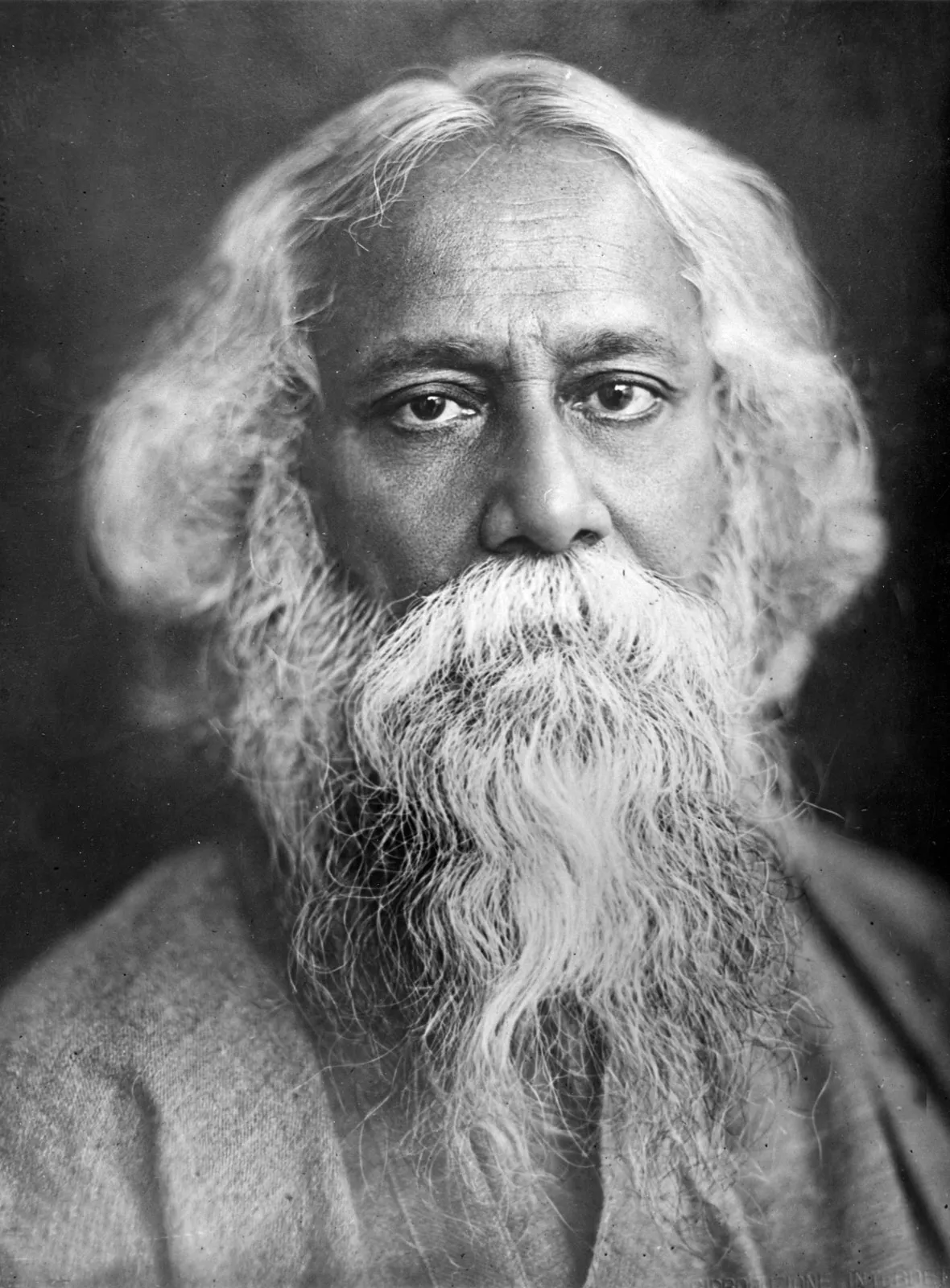
Rabindranath Tagore invites us to aspire toward the latent potential within ourselves, suggesting that our highest dreams are not merely distant fantasies but rather intrinsic truths waiting to be uncovered. In his words, "Reach high, for stars lie hidden in your soul. Dream deep, for every dream precedes the goal." This profound statement urges us to recognize that our aspirations are not just external pursuits; they are reflections of our inner essence, beckoning us to explore the depths of our being. The stakes are high, for in neglecting these inner stars, we risk living a life unfulfilled and disconnected from our true purpose.
Tagore's wisdom resonates deeply in a world often dominated by superficial achievements and societal expectations. To "dream deep" is to engage in a contemplative practice that transcends mere ambition; it is an invitation to delve into the core of our existence. Each dream, as Tagore suggests, serves as a precursor to our goals, illuminating the path we are meant to tread. This journey of self-discovery is not just about reaching outward but also about turning inward, fostering a relationship with the hidden aspects of our soul that yearn for expression and realization.
The image / the metaphor
The imagery in Tagore's quote is rich and evocative, conjuring visions of stars—symbols of aspiration, hope, and the infinite possibilities that lie within us. The verbs "reach" and "dream" are active and dynamic, suggesting that our journey toward self-actualization requires both effort and imagination. To "reach high" implies a stretching beyond our current limitations, while "dream deep" invites us to explore the profound layers of our consciousness. This duality of action and introspection creates a felt sense of movement, urging us to engage with both the external world and our internal landscape.
Diving deeper into the metaphor, the stars represent not only our highest aspirations but also the unique gifts and talents that reside within each of us. They are the guiding lights that can lead us toward our true calling, illuminating the path even in moments of darkness. The act of dreaming is not merely a passive experience; it is an active engagement with our inner selves, a process of uncovering the hidden treasures that lie dormant. In this way, Tagore's words serve as a reminder that our potential is vast and multifaceted, waiting to be discovered and expressed in the world.
In the speaker's tradition
Rabindranath Tagore's insights are deeply rooted in the Hindu tradition, which emphasizes the interconnectedness of the self and the cosmos. Concepts such as dharma, or one's righteous path, and prajna, or wisdom, resonate with his call to reach for the stars within. In Hindu philosophy, the journey of self-discovery is often seen as a sacred duty, where the individual seeks to align their inner aspirations with the greater cosmic order. This alignment is not merely about personal success but about fulfilling one's role in the tapestry of existence, contributing to the collective harmony of life.
Tagore's perspective can also be compared to the teachings found in the Bhagavad Gita, where the protagonist, Arjuna, is urged to recognize his duty and potential as a warrior. Just as Arjuna must confront his fears and doubts to fulfill his destiny, we too are called to confront the hidden aspects of our souls to realize our dreams. The Gita emphasizes that every action must be rooted in self-awareness and intention, echoing Tagore's assertion that our dreams precede our goals, guiding us toward our true purpose.
Living the teaching
Consider a modern scenario where an individual feels trapped in a job that does not resonate with their true passions. They may find themselves yearning for a creative outlet, yet fear the uncertainty of pursuing it. In this context, Tagore's teaching becomes a beacon of hope. By reaching high and acknowledging the hidden stars within—perhaps a talent for writing, painting, or music—they can begin to dream deep, allowing those dreams to inform their next steps. This process may involve taking small, courageous actions, such as dedicating time to explore their creative interests, ultimately leading them toward a more fulfilling life.
In relationships, Tagore's wisdom can also play a transformative role. Imagine a couple facing challenges in communication, where misunderstandings create distance. By embracing the idea of dreaming deep, each partner can reflect on their inner desires and fears, seeking to understand not only their own aspirations but also those of their partner. This contemplative approach fosters empathy and connection, allowing them to reach for the hidden stars within each other, ultimately strengthening their bond and guiding them toward a shared vision for their future.
A reflection
As we contemplate Tagore's profound words, we are invited to reflect on our own lives: What hidden stars lie within us, waiting to be discovered? In what ways can we dream deeper, allowing our aspirations to guide us toward our true goals? This contemplation encourages us to engage with our inner selves, fostering a deeper understanding of our purpose and potential. As we navigate the complexities of life, let us remember that our dreams are not mere fantasies; they are the seeds of our destiny, waiting to be nurtured and brought to fruition.



