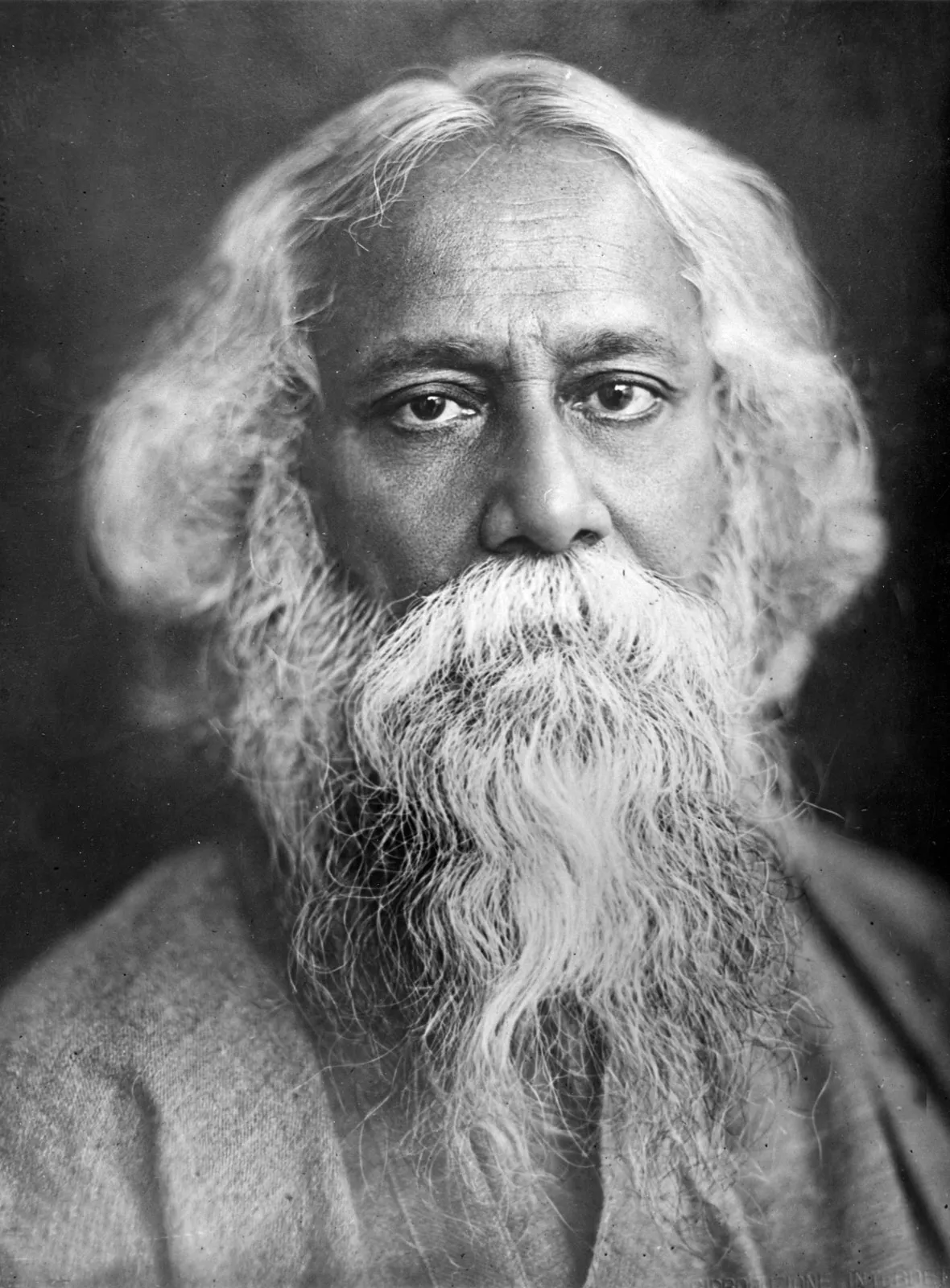
The Enigmatic Dance of Sleep and Innocence
Rabindranath Tagore's poignant inquiry, "Sleep that flits on baby's eyes, does anybody know from where it comes?" invites us to ponder the ephemeral nature of sleep and the mysteries that envelop the innocence of childhood. This quote encapsulates a profound curiosity about the origins of sleep, a state that seems to cradle the purity of a child's being. In a world often dominated by the tangible and the explainable, Tagore's words remind us of the deeper, often ungraspable elements of existence that elude our understanding. The question resonates with anyone who has ever gazed upon a sleeping child, marveling at the serene beauty and the veil of mystery that surrounds them.
As we delve deeper into this inquiry, we find ourselves confronted with the broader themes of childhood, innocence, and the transient nature of life. Sleep, in this context, becomes a metaphor for the sacred moments of stillness and peace that punctuate our lives. Tagore's exploration of this theme invites us to reflect on the nature of existence itself, urging us to consider the origins of not just sleep, but also the dreams and aspirations that accompany it. In a sense, the quote serves as a gentle reminder of the mysteries that lie beyond our comprehension, beckoning us to embrace the unknown with a sense of wonder and reverence.
The image / the metaphor
At first glance, Tagore's imagery evokes a tender scene: a baby, peaceful in slumber, with sleep flitting across their eyes like a delicate butterfly. The choice of the verb "flits" suggests a fleeting, almost ethereal quality to sleep, emphasizing its transient nature. This image captures the essence of childhood, where moments of joy and tranquility are often brief yet profoundly impactful. The juxtaposition of the innocence of a sleeping child against the backdrop of life's complexities serves to highlight the purity that exists within these fleeting moments.
Delving deeper into the metaphor, we can interpret sleep as a symbol of the deeper states of consciousness that lie beyond our everyday awareness. Just as sleep envelops a child, so too does the mystery of existence envelop us all. Tagore's question prompts us to consider the origins of our own dreams and aspirations, as well as the moments of stillness that allow us to connect with something greater than ourselves. In this light, sleep becomes not merely a physical state, but a gateway to the profound mysteries of life, inviting us to explore the depths of our own being.
In the speaker's tradition
Rabindranath Tagore's inquiry is deeply rooted in the Hindu tradition, which often emphasizes the interplay between the material and the spiritual. Concepts such as dharma, the moral order of the universe, and prajna, the wisdom that arises from deep contemplation, resonate with the themes present in this quote. In Hindu philosophy, sleep can be seen as a state that allows the soul to reconnect with its divine essence, a momentary retreat from the chaos of the world. Tagore's exploration of sleep reflects a broader understanding of existence, where the mysteries of life are embraced rather than feared.
In the context of Tagore's work, we can draw parallels to the Upanishads, which speak of the ultimate reality that lies beyond the veil of illusion. The concept of sunyata, or emptiness, resonates with the idea that true understanding comes from embracing the unknown. Just as a child sleeps in innocence, so too must we approach the mysteries of life with an open heart and mind, allowing ourselves to be enveloped by the beauty of existence without the need for definitive answers.
Living the teaching
In our modern lives, the teaching encapsulated in Tagore's quote can manifest in various ways. Consider a parent watching their child drift off to sleep, the room filled with a sense of peace and tranquility. In this moment, the parent is reminded of the fleeting nature of childhood and the importance of cherishing these simple yet profound experiences. This scenario illustrates how the mystery of sleep can serve as a catalyst for deeper reflection on the passage of time and the beauty of innocence, encouraging us to be present and fully engaged in the lives of those we love.
Moreover, we can apply this teaching in our relationships and daily practices. In moments of conflict or stress, we might find ourselves yearning for the serenity that sleep brings. By embracing the mystery of our emotions and allowing ourselves to step back, we can cultivate a sense of stillness that fosters understanding and compassion. Just as sleep offers a reprieve from the chaos of the day, so too can moments of quiet reflection provide us with the clarity needed to navigate life's challenges. In this way, Tagore's words serve as a gentle reminder to honor the mysteries of life and the connections we share with others.
A reflection
As we contemplate Tagore's evocative question, we are invited to reflect on our own experiences with sleep and the mysteries that surround us. What does the act of sleeping reveal about our relationship with the unknown? In a world that often seeks to categorize and explain, how can we cultivate a sense of wonder and reverence for the mysteries that elude our understanding? Allowing ourselves to sit with these questions can open pathways to deeper insights and a richer appreciation for the beauty of existence.



