When Kindness Takes Flight: The Paradox of Helping
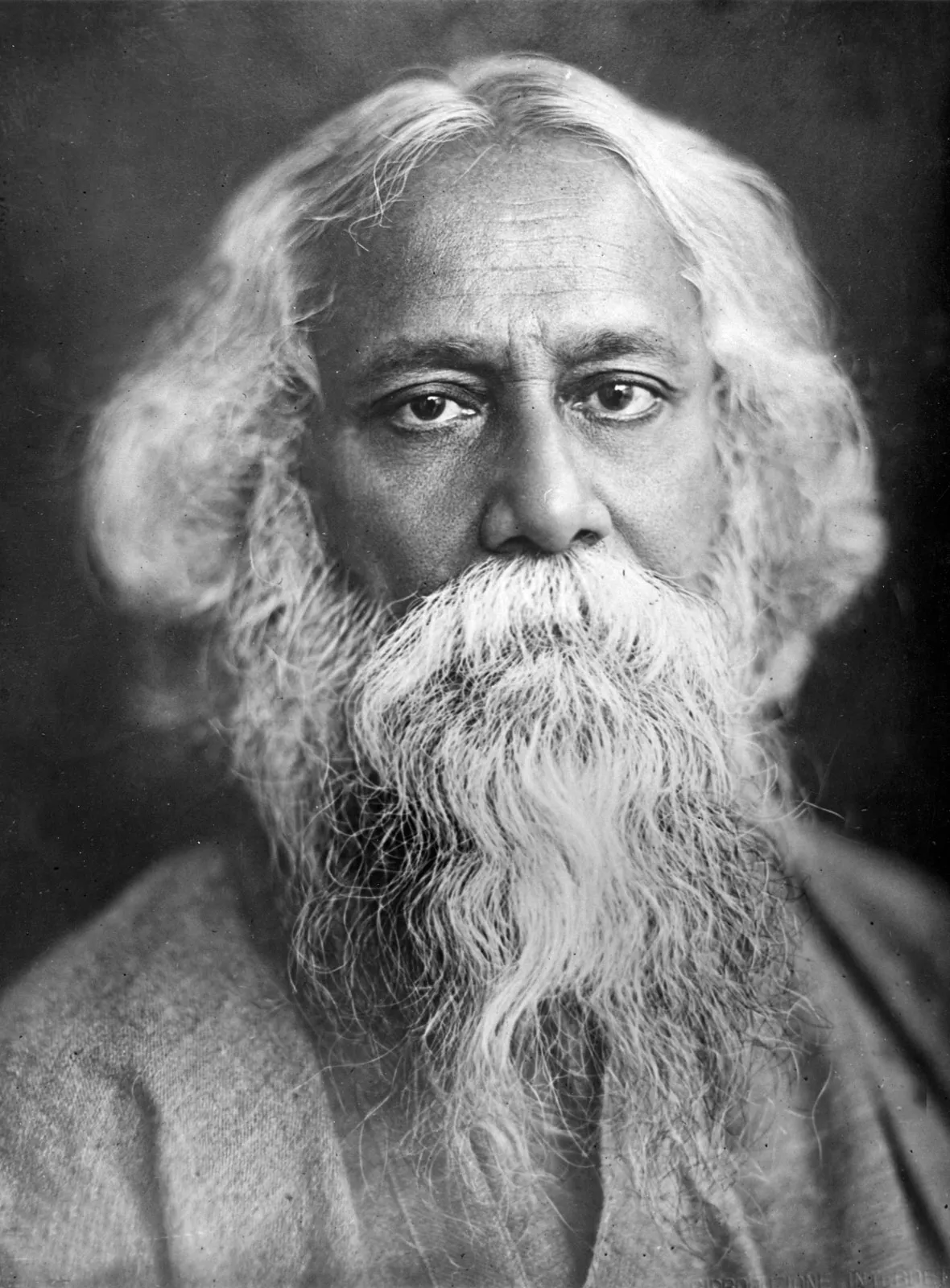
Rabindranath Tagore's poignant observation, "The bird thinks it is an act of kindness to give the fish a lift in the air," invites us to reflect on the nature of kindness and the complexities that often accompany our intentions. At first glance, the image conjures a whimsical scenario where a bird, in its desire to help, misunderstands the needs of the fish. This quote serves as a reminder that our well-meaning actions can sometimes lead to unintended consequences, urging us to consider the perspectives of those we wish to assist.
In a world where the desire to help others is often celebrated, Tagore's words challenge us to examine the nuances of our actions. The bird's misguided attempt at kindness highlights a fundamental truth: the act of giving or helping is not merely about the intention behind it, but also about the context and the recipient's needs. This deeper understanding of kindness calls for a more profound wisdom, one that transcends surface-level gestures and delves into the heart of empathy and awareness.
The image / the metaphor
The imagery in Tagore's quote is rich and layered. The bird, a creature of the air, symbolizes freedom and perspective, while the fish, bound to the water, represents a different realm of existence. The act of lifting the fish into the air, though seemingly benevolent, is fraught with irony. The verbs chosen—"thinks," "give," and "lift"—imply a sense of agency and intention, yet they also reveal a disconnect between the bird's perception and the fish's reality. This juxtaposition evokes a felt sense of both humor and poignancy, as we recognize the absurdity of the situation.
Diving deeper into the metaphor, we see that the bird's action can be interpreted as a reflection of our own attempts to help others without fully understanding their circumstances. It serves as a reminder that kindness is not a one-size-fits-all endeavor; what may seem like a gift to one may feel like a burden to another. This complexity invites us to cultivate a more nuanced approach to our interactions, one that prioritizes listening and understanding over mere action.
In the speaker's tradition
Tagore's insights are deeply rooted in the Hindu tradition, where concepts such as dharma and prajna illuminate the path of wisdom and ethical action. Dharma, often translated as duty or righteousness, emphasizes the importance of aligning our actions with the greater good, while prajna refers to the wisdom that arises from deep understanding. In this context, the bird's act of kindness can be seen as a failure to fulfill its dharma, as it neglects the essential wisdom needed to truly help the fish.
Moreover, Tagore's reflections resonate with the teachings found in the Bhagavad Gita, where the importance of selfless action is emphasized. In Chapter 3, Krishna advises Arjuna to perform his duty without attachment to the fruits of his actions. This principle echoes Tagore's sentiment, suggesting that true kindness arises not from a desire to be seen as helpful, but from a profound understanding of the needs and circumstances of others. The interplay of intention and impact becomes a central theme in both Tagore's work and the broader spiritual tradition.
Living the teaching
Consider a modern scenario where this teaching might resonate: a friend is going through a difficult time, and you decide to offer your support by inviting them out for a night of fun. While your intention is to uplift their spirits, you may overlook their need for solitude or reflection. In this case, your well-meaning gesture, akin to the bird's lift, may not align with what your friend truly requires. This situation highlights the importance of tuning into the emotional landscape of others, ensuring that our actions are genuinely supportive rather than merely well-intentioned.
In a different context, imagine a workplace dynamic where a colleague is struggling with a heavy workload. You might feel compelled to step in and take over some of their tasks, believing you are alleviating their burden. However, this approach could inadvertently undermine their autonomy and sense of agency. Instead, a more mindful approach would involve asking how you can best support them, thereby fostering a collaborative environment that respects their needs and preferences. This practice of inquiry and active listening embodies the essence of Tagore's wisdom, reminding us that true kindness is rooted in understanding.
A reflection
As we contemplate Tagore's insightful words, we are invited to reflect on our own actions and intentions. How often do we act with the best of intentions, only to realize that our efforts may not align with the needs of those we seek to help? In what ways can we cultivate a deeper awareness of others' perspectives, ensuring that our kindness is both thoughtful and effective? This contemplative question encourages us to engage in a practice of empathy, fostering connections that honor the complexities of human experience.



