Embracing the Light Within
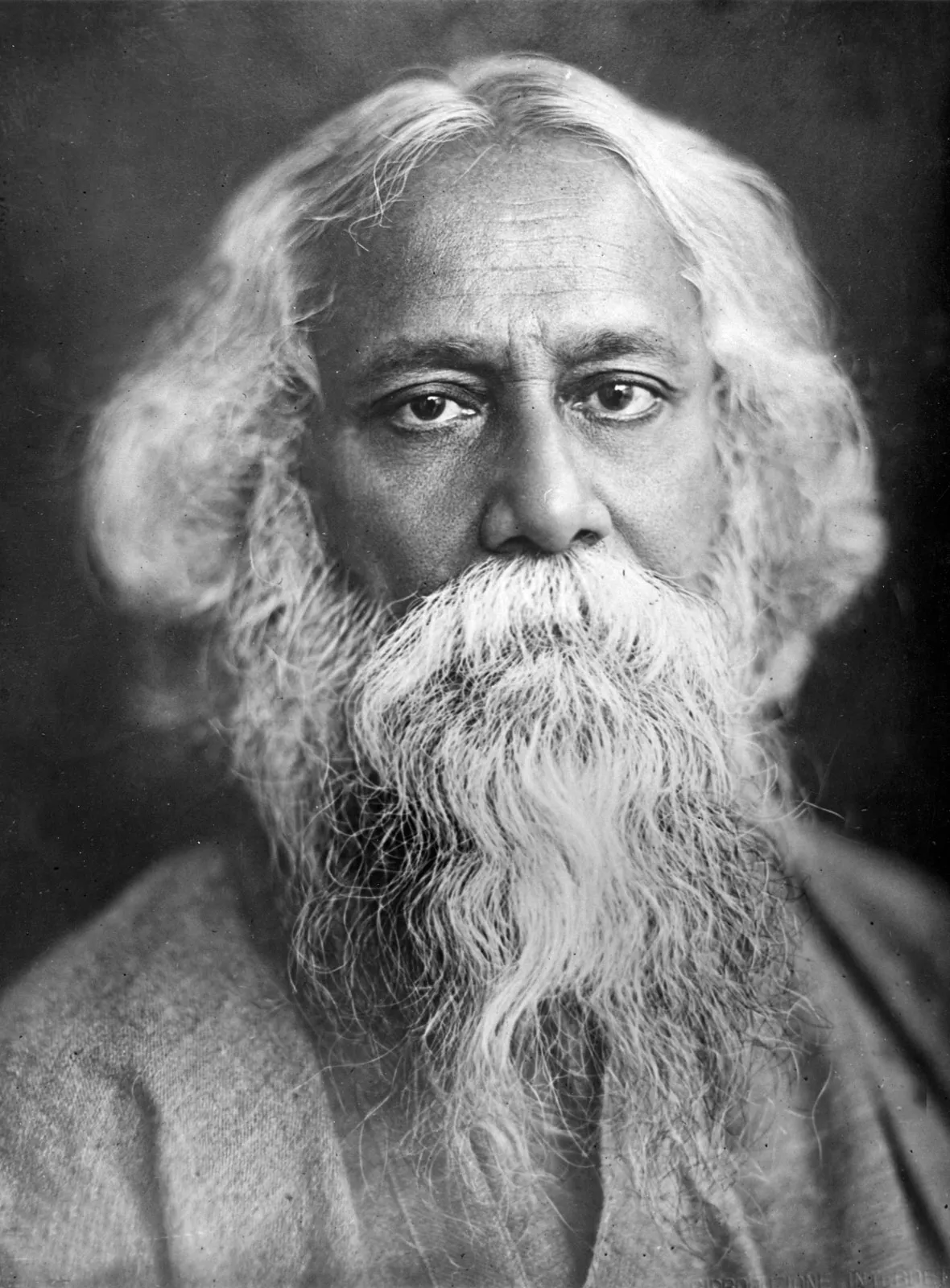
Rabindranath Tagore's poignant observation, "The stars are not afraid to appear like fireflies," invites us to reflect on the nature of humility and courage. In this metaphor, the stars symbolize the vast potential within each of us, while fireflies represent the delicate yet vibrant expressions of that potential. This quote challenges us to embrace our own light, no matter how small it may seem, and to share it with the world without fear or hesitation. The stakes are high, as our willingness to shine can inspire others and illuminate the path toward a more connected existence.
In a world often overshadowed by doubt and insecurity, Tagore's words resonate deeply, urging us to recognize that even the most luminous beings can choose to manifest their brilliance in humble forms. The firefly, with its gentle glow, serves as a reminder that greatness does not always demand grandiosity; sometimes, it is found in the quiet courage to simply be ourselves. This teaching is particularly relevant today, as many grapple with the pressures of conformity and the fear of inadequacy. By embodying the essence of both stars and fireflies, we can cultivate a sense of authenticity that enriches our lives and those around us.
The image / the metaphor
The imagery in Tagore's quote evokes a vivid contrast between the celestial and the terrestrial. Stars, with their immense brilliance, are often perceived as distant and unattainable, while fireflies, with their ephemeral glow, are familiar and accessible. The choice of the verb "appear" suggests an act of courage; it implies that the stars, despite their grandeur, willingly choose to manifest in a form that is relatable and approachable. This duality captures the essence of humility, as it encourages us to embrace our own light, regardless of its size or intensity.
Diving deeper into the metaphor, we can see that the stars represent the highest aspirations and the fullest expression of our potential, while fireflies symbolize the everyday moments of joy and connection. The act of appearing like fireflies suggests that we do not need to wait for the perfect conditions or the grand stage to share our light. Instead, we can find beauty in the small acts of kindness, creativity, and authenticity that illuminate our lives and the lives of others. This interplay between the vast and the intimate invites us to explore the many ways we can shine, regardless of the circumstances.
In the speaker's tradition
Rabindranath Tagore's insights are deeply rooted in the rich tapestry of Hindu philosophy, where concepts such as dharma and bhakti illuminate the path toward self-realization. Dharma, or one's duty, encourages individuals to act in accordance with their true nature, while bhakti emphasizes devotion and love as essential components of spiritual practice. Tagore's quote resonates with these themes, suggesting that the courage to express our inner light is a vital aspect of fulfilling our dharma. By embracing our unique gifts, we contribute to the greater cosmic order, much like stars illuminating the night sky.
Furthermore, Tagore's perspective aligns with the notion of kenosis, the self-emptying love that allows for the emergence of a deeper connection with the divine and with others. In the Bhagavad Gita, Krishna teaches Arjuna about the importance of selfless action, which echoes the sentiment of appearing like fireflies. When we let go of the need for recognition and embrace our humble expressions, we align ourselves with the flow of life and become conduits for love and light. This interconnectedness is a central tenet of Tagore's philosophy, reminding us that our individual brilliance contributes to the collective illumination of humanity.
Living the teaching
Consider a modern scenario where this teaching can be applied: a workplace environment where individuals often feel pressured to conform to a singular standard of success. In such a setting, the courage to express one's unique ideas and perspectives can feel daunting. However, by embodying the spirit of the firefly, employees can choose to share their insights, no matter how small they may seem. This act of vulnerability not only fosters a culture of creativity and innovation but also encourages others to step into their own light, creating a ripple effect of authenticity and collaboration.
Another application of this teaching can be found in personal relationships, particularly during times of conflict or misunderstanding. When faced with difficult conversations, the fear of being vulnerable can lead to silence or defensiveness. Yet, by embracing the courage to express our true feelings, even if they are small or imperfect, we can create a space for deeper connection and understanding. Just as fireflies light up the darkness, our willingness to share our inner experiences can illuminate the path toward reconciliation and healing, reminding us that our light, no matter how humble, has the power to transform relationships.
A reflection
As we contemplate Tagore's profound words, we are invited to consider: In what ways can I embrace my own light, even if it feels small or insignificant? This question encourages us to reflect on the unique gifts we possess and the courage it takes to share them with the world. By acknowledging our potential and choosing to shine, we not only honor ourselves but also inspire others to do the same. Let us take a moment to explore the ways we can embody the essence of both stars and fireflies in our daily lives, illuminating the path for ourselves and those around us.



