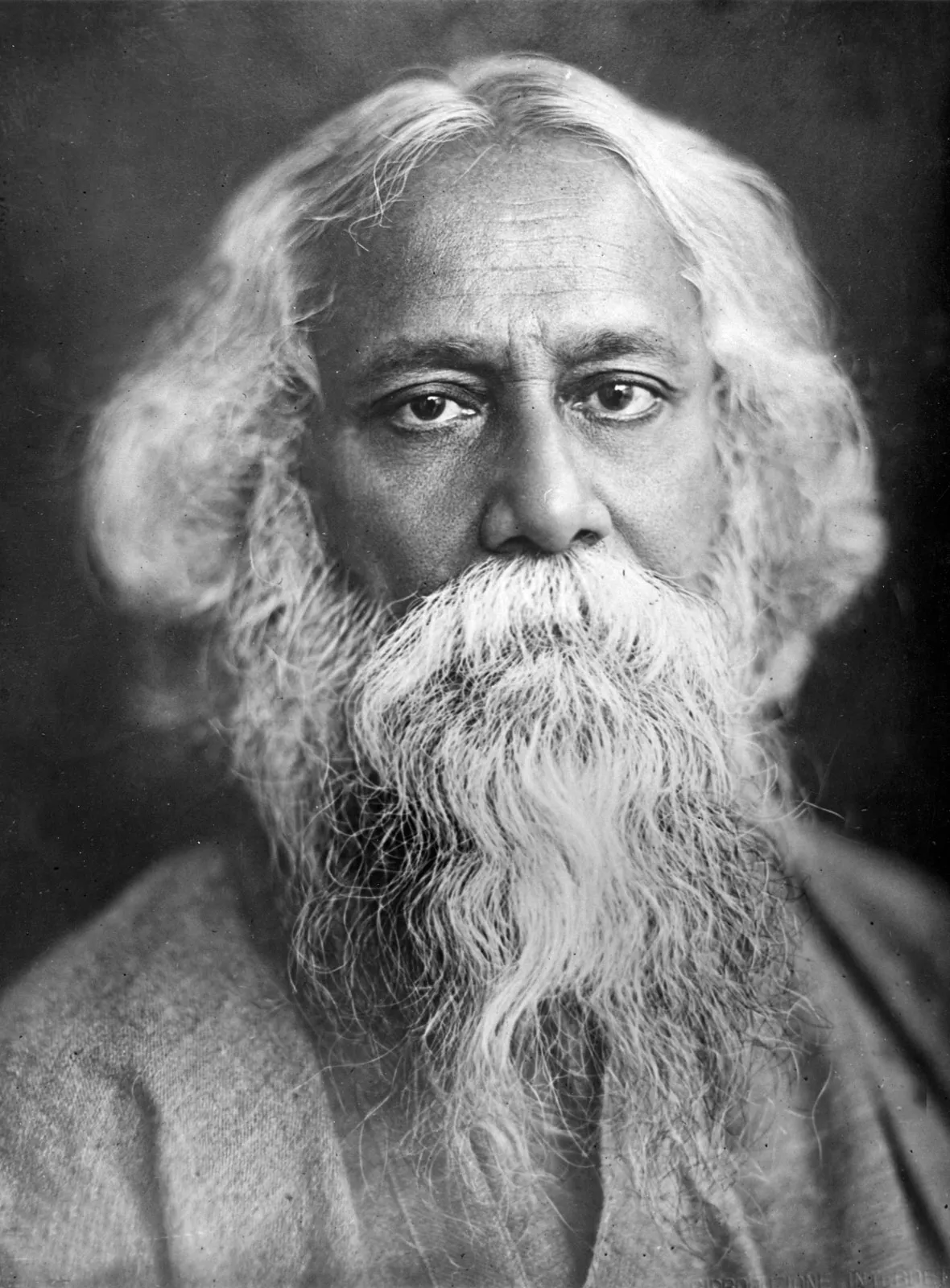
The Dance of Truth and Fiction
Rabindranath Tagore's observation that "Truth in her dress finds facts too tight. In fiction she moves with ease" invites us to explore the nuanced relationship between truth and artistic expression. Here, Tagore suggests that the rigid confines of factual truth can often stifle the deeper, more fluid essence of truth that art can convey. This distinction is not merely academic; it speaks to the heart of how we understand our experiences and express them in the world. The stakes are high, as our grasp of truth shapes our perceptions, relationships, and ultimately, our very existence.
In a world increasingly dominated by data and empirical evidence, Tagore's words resonate with a timeless wisdom that challenges us to reconsider how we engage with truth. The notion that facts can be constraining while fiction offers liberation invites a deeper inquiry into the nature of reality itself. It compels us to reflect on how we might find authenticity in our lives, not through rigid adherence to facts, but through the imaginative and often transformative power of art and storytelling. This exploration is essential, as it opens pathways to understanding ourselves and the world around us in richer, more meaningful ways.
The image / the metaphor
Tagore's metaphor of truth dressed in tight facts evokes a vivid image of constriction and limitation. The choice of the word "dress" suggests an external adornment, implying that truth can be presented in various forms, yet when bound by the strictures of factuality, it becomes suffocating. In contrast, the notion of fiction moving with ease conjures images of fluidity and freedom, where the essence of truth can be expressed without the constraints imposed by empirical verification. This duality highlights the tension between the rigidity of factual truth and the liberating potential of artistic expression.
Diving deeper into this metaphor, we can see that Tagore is not dismissing the importance of facts; rather, he is illuminating the limitations of a purely factual approach to understanding life. Fiction, in its myriad forms, allows for a more expansive exploration of human experience, emotions, and truths that may elude quantification. In this light, fiction becomes a vessel for deeper truths, enabling us to navigate the complexities of existence with grace and insight. The interplay between truth and fiction thus becomes a dance, where each has its role, yet it is in their harmonious relationship that we find a fuller understanding of reality.
In the speaker's tradition
Tagore's insights are deeply rooted in the Hindu tradition, which often emphasizes the interplay between the material and the spiritual, the seen and the unseen. Concepts such as dharma, the moral order of the universe, and bhakti, the path of devotion, reflect a recognition that truth is multifaceted. In this context, the idea of kenosis, or self-emptying, resonates with Tagore's assertion that to grasp deeper truths, one must sometimes relinquish rigid attachments to facts. This aligns with the notion of sunyata, or emptiness, which suggests that true understanding arises not from clinging to fixed ideas but from embracing the fluidity of existence.
In the Bhagavad Gita, for instance, Krishna speaks of the importance of acting in accordance with one's dharma while remaining unattached to the fruits of one's actions. This teaching echoes Tagore's sentiment that while facts may serve a purpose, it is the deeper truths revealed through art and fiction that ultimately guide us toward a more profound understanding of our lives. The Gita invites us to engage with the world dynamically, suggesting that the essence of truth is often found in the spaces between rigid definitions and the stories we tell ourselves.
Living the teaching
Consider a modern scenario where this teaching finds relevance: a writer grappling with the constraints of factual reporting in journalism. Faced with the pressure to present only verified information, the writer may feel stifled, unable to convey the emotional truths of the human experience. By embracing the artistic freedom of fiction, the writer can explore the underlying narratives that shape individual lives, revealing the complexities of truth that statistics alone cannot capture. This shift allows for a richer, more empathetic understanding of the world, illustrating how art can illuminate truths that facts may obscure.
In relationships, too, Tagore's insight can be transformative. Imagine a couple navigating a difficult moment, where one partner is fixated on the factual details of a disagreement. By stepping back and engaging with the emotional truths underlying their conflict—perhaps through storytelling or creative expression—they can move beyond the tight confines of factuality. This approach fosters deeper connection and understanding, allowing both partners to embrace the fluidity of their experiences and the truths that lie within them. In this way, the teaching becomes a practical guide for living more authentically and compassionately.
A reflection
As we contemplate Tagore's words, we are invited to ask ourselves: In what ways do I allow the rigidity of facts to constrain my understanding of truth? This question encourages us to reflect on our own lives, considering how we might embrace the fluidity of art and fiction to uncover deeper insights. By recognizing the interplay between truth and fiction, we open ourselves to a richer, more nuanced experience of reality, one that honors both the factual and the imaginative aspects of our existence.



