Illuminating the Shadow: The Quest for Self-Understanding
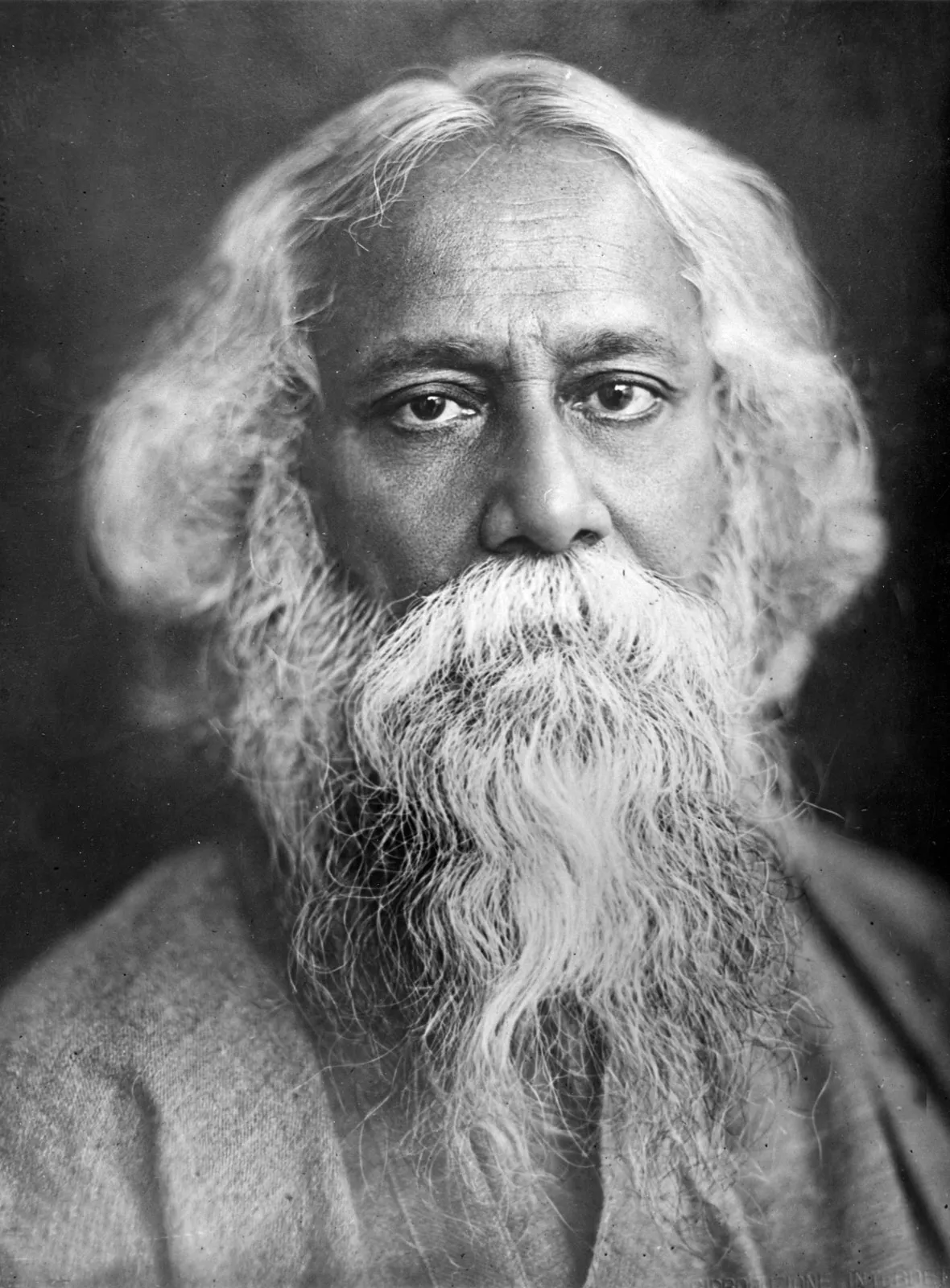
Rabindranath Tagore's poignant observation, "What you are you do not see, what you see is your shadow," invites us to explore the depths of our true selves, often obscured by the projections we cast into the world. This quote speaks to the profound human experience of grappling with identity and self-perception. In a society that often prioritizes external validation, understanding this distinction becomes crucial for personal growth and spiritual awakening.
At its core, Tagore's statement challenges us to confront the dichotomy between our authentic selves and the facades we present. The "shadow" symbolizes the aspects of ourselves that we may not fully acknowledge or understand, often shaped by societal expectations and personal fears. By recognizing this shadow, we embark on a journey toward self-discovery, ultimately seeking a more profound connection with our true essence.
The image / the metaphor
The imagery in Tagore's quote is rich and evocative, presenting a duality that resonates deeply within the human experience. The term "shadow" conjures a sense of something that follows us, an echo of our being that is both familiar and elusive. It suggests that while we may be aware of our external actions and appearances, the essence of who we are remains hidden, lurking in the background, waiting to be acknowledged.
Diving deeper into the metaphor, we can see that the shadow represents not only our unrecognized qualities but also the fears and insecurities that shape our perceptions. It is a reminder that what we project into the world—our accomplishments, our roles, our identities—often obscures the deeper truths of our existence. By acknowledging our shadow, we can begin to integrate these hidden aspects, leading to a more holistic understanding of ourselves.
In the speaker's tradition
Tagore's insights are deeply rooted in the Hindu tradition, which emphasizes the journey toward self-realization and the understanding of one's true nature. Concepts such as *dharma* (one's duty or path), *kenosis* (the act of self-emptying), and *sunyata* (emptiness) resonate with the essence of his quote. In Hindu philosophy, the pursuit of self-knowledge is paramount, as it leads to liberation (*moksha*) from the cycles of illusion and suffering.
In the *Bhagavad Gita*, for instance, the dialogue between Arjuna and Krishna emphasizes the importance of understanding one's true self beyond the physical and emotional layers. Krishna urges Arjuna to recognize that his identity is not confined to his roles as a warrior or a prince but is instead rooted in the eternal soul (*atman*). This teaching echoes Tagore's assertion that what we perceive is often a mere shadow of our true selves, urging us to look beyond the surface.
Living the teaching
Consider a modern scenario where this teaching resonates: a professional grappling with the pressures of success. In the pursuit of accolades and recognition, one may become so engrossed in their career that they lose sight of their authentic self. The relentless chase for external validation can create a shadow of anxiety and discontent, obscuring the deeper passions and values that once fueled their ambitions. Recognizing this shadow allows for a recalibration, prompting a return to what truly matters.
In the realm of relationships, Tagore's insight can illuminate the dynamics between partners. Often, individuals project their insecurities onto one another, leading to misunderstandings and conflict. By acknowledging the shadows within themselves—such as fear of abandonment or inadequacy—partners can foster deeper empathy and connection. This practice of self-awareness not only enhances relationships but also cultivates a shared journey toward understanding and acceptance.
A reflection
As we contemplate Tagore's profound words, we are invited to engage in a reflective practice: What aspects of myself remain hidden in the shadows, waiting to be acknowledged? This question encourages us to explore the depths of our being, to confront the fears and insecurities that shape our perceptions, and to embrace the journey of self-discovery. In doing so, we may find that the path to understanding ourselves is not merely about illumination but also about acceptance of the shadows that accompany our light.



