Transforming the Mundane into the Sacred
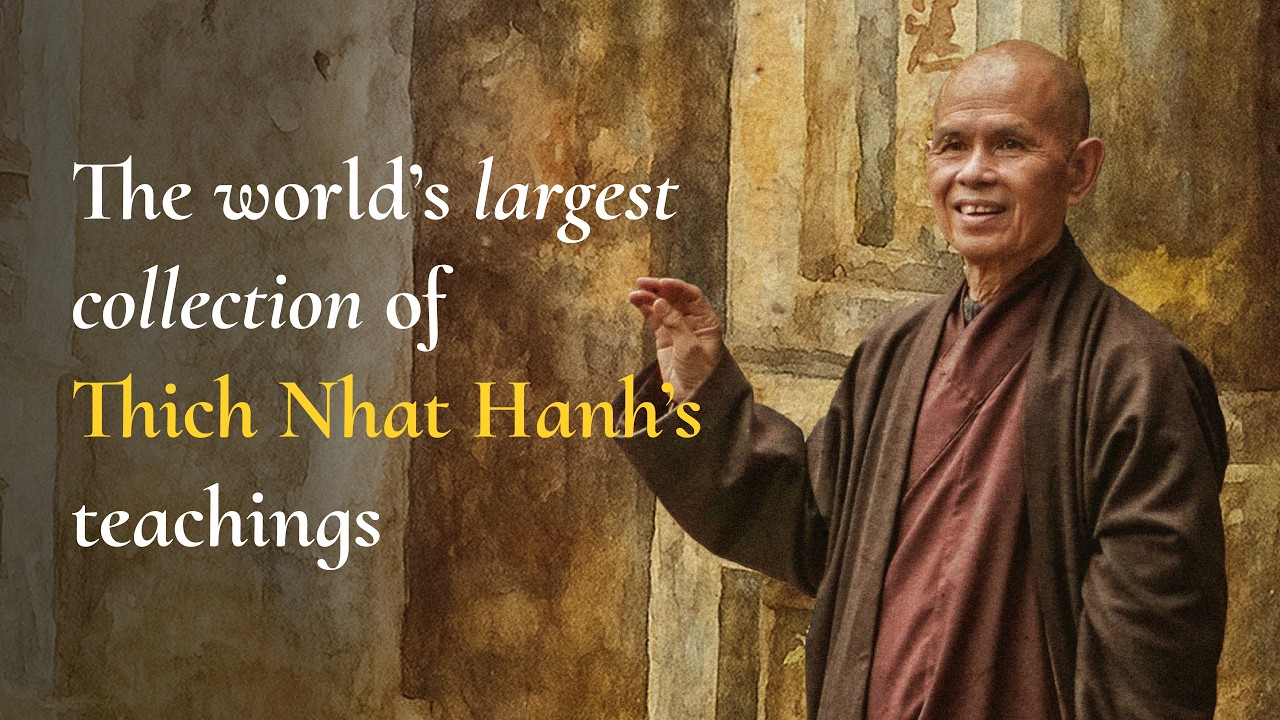
Thich Nhat Hanh's assertion that "mindfulness helps us cherish the small joys, transforming them into nourishment" invites us to reconsider our relationship with the everyday moments that often slip by unnoticed. In a world that frequently prioritizes grand achievements and external validations, this teaching emphasizes the importance of recognizing and appreciating the subtle joys that life offers. By cultivating mindfulness, we can transform these fleeting moments into sources of sustenance for our spirit, enriching our lives in profound ways.
This perspective is particularly relevant in our fast-paced, distraction-laden society, where the small joys of life—like a warm cup of tea, a gentle breeze, or a shared smile—are often overshadowed by the noise of our ambitions and worries. Thich Nhat Hanh encourages us to slow down, to breathe, and to engage fully with the present moment. In doing so, we not only enhance our capacity for joy but also nourish our inner selves, fostering a deeper sense of contentment and well-being.
The image / the metaphor
At the heart of Thich Nhat Hanh's quote lies a rich tapestry of imagery that evokes the essence of mindfulness. The verbs "cherish" and "transform" suggest an active engagement with our experiences, inviting us to not merely observe but to deeply appreciate the small joys that punctuate our lives. The notion of "nourishment" further implies that these moments are not trivial; rather, they are vital sustenance for our emotional and spiritual well-being, akin to food that nourishes the body.
Diving deeper into the metaphor, we can see that mindfulness acts as a lens through which we can perceive the world anew. It encourages us to slow down and savor the richness of each moment, transforming our perception of the mundane into something sacred. This transformation is not merely about recognition; it is about cultivating a profound appreciation that allows us to draw strength and joy from the simplest of experiences, thereby enriching our lives in ways we may not have previously imagined.
In the speaker's tradition
Thich Nhat Hanh's teachings are deeply rooted in the Buddhist tradition, where mindfulness is a central tenet of the path toward enlightenment. Concepts such as dharma—the natural law that governs the universe—and sunyata, or emptiness, underscore the importance of being present and aware. In this context, mindfulness is not just a practice but a way of life that allows us to connect with the essence of our being and the interconnectedness of all things.
In his seminal work, "The Miracle of Mindfulness," Thich Nhat Hanh illustrates how the practice of mindfulness can lead to a deeper understanding of ourselves and the world around us. He draws parallels between mindfulness and the Buddhist practice of meditation, where the focus on the present moment cultivates a sense of clarity and insight. This clarity allows us to see the beauty in the ordinary, transforming our perception and enabling us to find joy in the simplest of moments.
Living the teaching
Consider a modern scenario where this teaching can be applied: imagine a busy morning, filled with the rush of getting ready for work or school. In the midst of this chaos, one might overlook the simple pleasure of a warm shower or the aroma of freshly brewed coffee. By practicing mindfulness, one can take a moment to fully engage with these experiences, allowing the warmth of the water or the rich scent of coffee to fill the senses. This conscious engagement transforms a routine morning into a nourishing ritual, setting a positive tone for the day ahead.
Another application of this teaching can be found in relationships. Often, we may take for granted the small gestures of love and kindness that our partners or friends offer us daily. By practicing mindfulness, we can become more attuned to these moments—whether it’s a shared laugh, a supportive word, or a simple touch. Recognizing and cherishing these small joys not only deepens our connections but also nourishes the relationship, fostering a sense of gratitude and appreciation that can sustain us through difficult times.
A reflection
As we contemplate Thich Nhat Hanh's words, we are invited to reflect on our own lives and the small joys that we may overlook. What moments of beauty or happiness have you experienced today that you might have taken for granted? In recognizing these moments, how can you transform them into nourishment for your spirit? This contemplation encourages us to embrace mindfulness as a practice that enriches our lives, reminding us that joy can be found in the simplest of experiences.