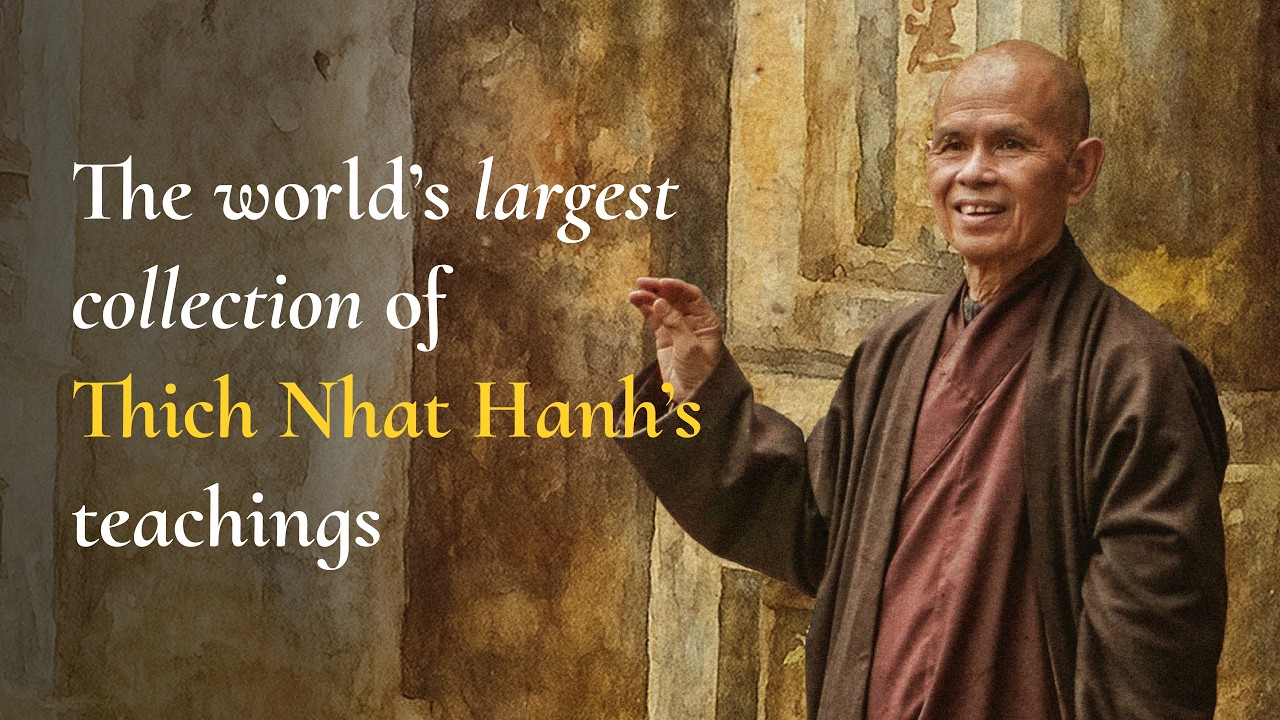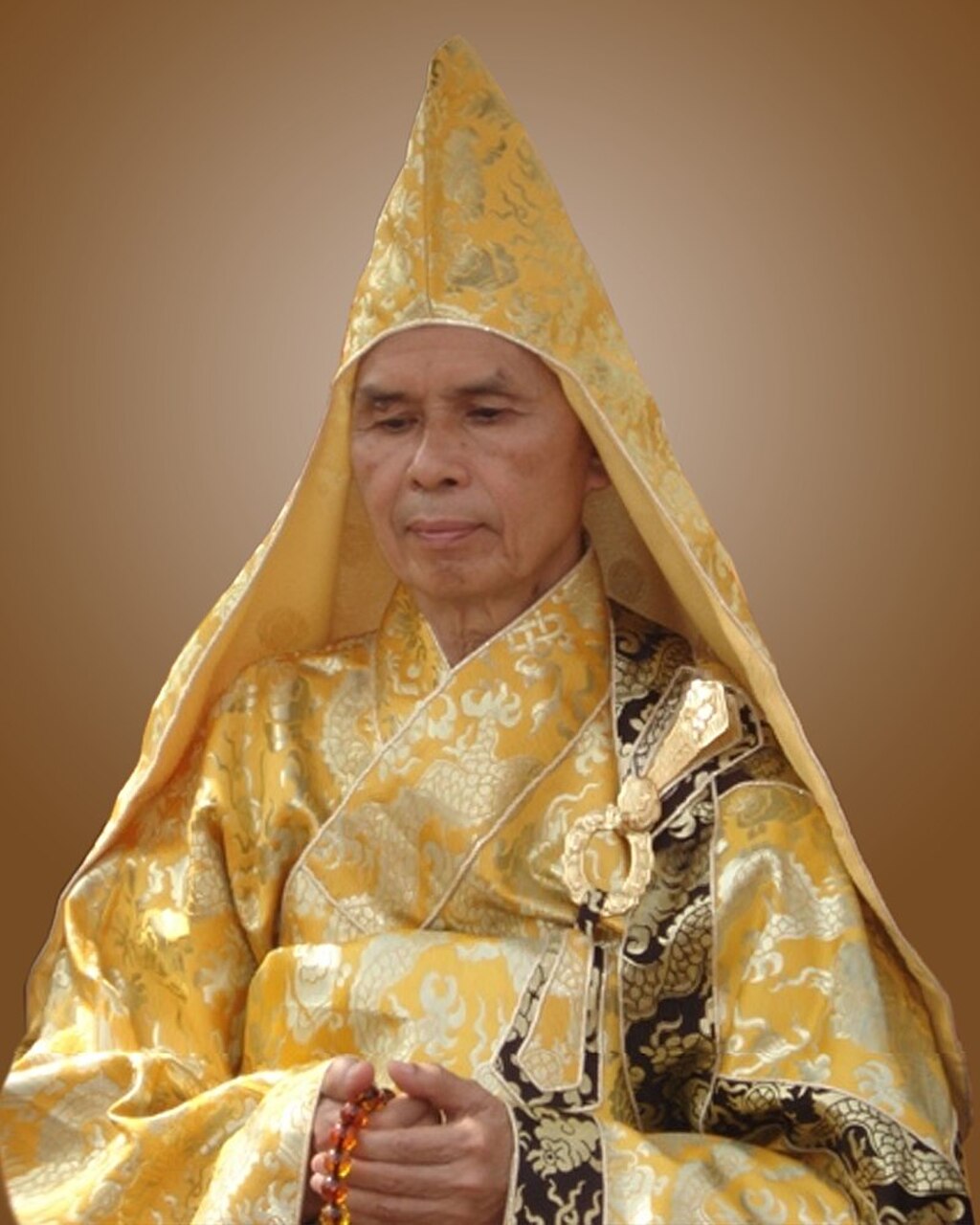
The Intertwined Blossoms of Existence
Thich Nhat Hanh's poignant observation that "pain and joy are flowers from the same garden" invites us to reconsider the dualities that shape our lives. This quote suggests that our experiences of suffering and happiness are not isolated phenomena but rather interconnected aspects of a single reality. Recognizing this relationship can profoundly alter our understanding of existence, urging us to embrace both joy and pain as essential elements of our journey. In a world often divided by the pursuit of pleasure and the aversion to discomfort, this teaching serves as a gentle reminder of the unity inherent in our experiences.
Delving deeper, we find that this insight speaks to the heart of human experience, where joy often emerges from the soil of pain. The metaphor of a garden evokes a sense of cultivation and growth, suggesting that our emotional landscape is rich and varied. Just as flowers bloom in diverse colors and forms, so too do our feelings manifest in myriad ways. This perspective encourages us to cultivate an awareness that transcends binary thinking, allowing us to appreciate the fullness of life, where joy and sorrow coexist and inform one another.
The image / the metaphor
The imagery of a garden is particularly evocative, as it conjures a sense of nurturing and natural cycles. Flowers, in their beauty, often arise from the earth that has been tilled and turned, a process that can be both laborious and painful. The verbs "are" and "from" suggest a deep-rooted connection between pain and joy, indicating that one cannot exist without the other. This relationship invites us to explore the nuances of our emotional experiences, recognizing that the richness of life is found in its complexities.
In the speaker's tradition
Thich Nhat Hanh's teachings are deeply rooted in the Buddhist tradition, which emphasizes the interconnectedness of all phenomena. Concepts such as *sunyata* (emptiness) and *dukkha* (suffering) are central to understanding how joy and pain coexist. In Buddhism, the recognition of *dukkha* is not merely a pessimistic view of life but a gateway to deeper wisdom and compassion. By acknowledging the transient nature of our experiences, we can cultivate a sense of *prajna* (wisdom) that allows us to see beyond the surface of our emotions.
In his work, Thich Nhat Hanh often references the notion of *interbeing*, which posits that all things are interconnected and that our experiences are shaped by a web of relationships. This idea resonates with the quote, as it highlights the inseparability of joy and pain. Just as a lotus flower emerges from the mud, our capacity for joy often arises from our encounters with suffering. This profound understanding is echoed in the teachings of the *Dhammapada*, where the Buddha states, "Pain is certain; suffering is optional," inviting us to navigate our experiences with mindfulness and compassion.
Living the teaching
Consider a modern scenario where this teaching can be applied: a person facing the loss of a loved one. In the depths of grief, it may seem impossible to find joy, yet within that pain lies the potential for profound love and connection. As one navigates the waves of sorrow, they may also recall cherished memories that bring warmth and laughter, illustrating how joy can emerge from the very soil of grief. This experience exemplifies the garden metaphor, where the flowers of joy bloom amidst the weeds of pain, reminding us that both are integral to the human experience.
In relationships, this teaching can manifest in moments of conflict or misunderstanding. When partners face challenges, it is easy to become entrenched in feelings of frustration or resentment. However, by recognizing that these painful moments can lead to deeper understanding and connection, individuals can cultivate a space for healing and growth. Embracing the duality of joy and pain allows for a more compassionate approach to conflict, fostering resilience and intimacy in relationships. This practice of mindfulness encourages us to see the beauty in our struggles, transforming them into opportunities for connection and understanding.
A reflection
As we contemplate Thich Nhat Hanh's wisdom, we are invited to explore the intricate relationship between our joys and pains. How can we cultivate a deeper awareness of this unity in our own lives? In moments of suffering, can we pause to recognize the potential for joy that lies within? This question invites us to engage with our experiences more fully, fostering a sense of gratitude for the richness of life that emerges from the interplay of joy and pain.