The Joy of Mouth Yoga: Embracing the Power of a Smile
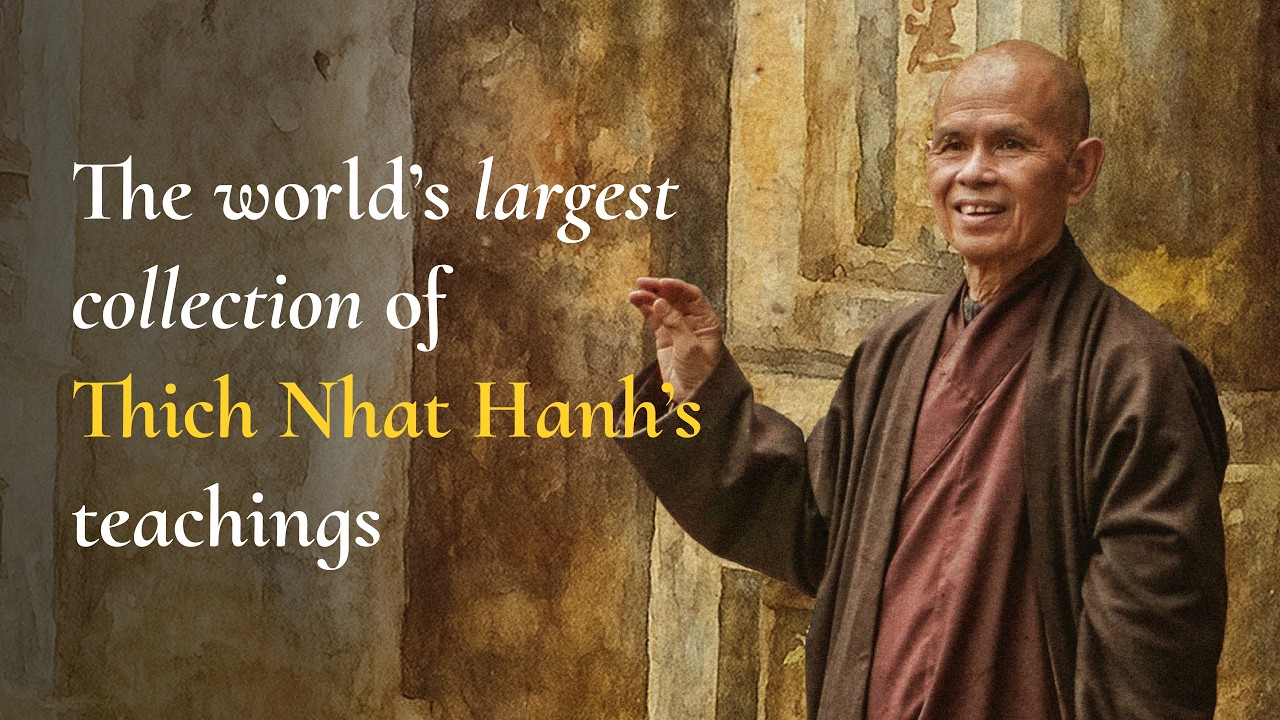
Thich Nhat Hanh's assertion that "smiling is mouth yoga" invites us to reconsider the simple act of smiling as a profound practice of mindfulness and presence. In this seemingly light-hearted statement lies a deeper truth about the transformative power of our expressions and how they can influence our inner state. By engaging in the practice of smiling, we not only uplift ourselves but also create ripples of positivity in the world around us. This matters because it reminds us that even the smallest gestures can be acts of profound spiritual significance.
Moreover, this quote encourages us to view our daily interactions through a lens of playfulness and joy. In a world often marked by stress and seriousness, Thich Nhat Hanh's words serve as a gentle reminder that we can cultivate a sense of lightness and ease. Smiling, in this context, becomes a form of yoga—a practice that stretches our capacity for joy and connection. It invites us to explore how our physical expressions can align with our spiritual aspirations, fostering a sense of harmony within ourselves and with others.
The image / the metaphor
At first glance, the phrase "mouth yoga" may evoke a playful image, suggesting that our mouths can engage in a form of exercise akin to physical yoga. The verb "smiling" is active and inviting, suggesting that this practice is not merely passive but requires intention and awareness. The imagery conjured by this quote highlights the mouth as a center of expression, capable of conveying emotions and fostering connections. Just as yoga involves the body in a series of postures to promote well-being, smiling can be seen as a posture of the face that opens us to joy and connection.
Diving deeper into the metaphor, we can understand "mouth yoga" as a practice that cultivates mindfulness and presence. Just as traditional yoga encourages us to be aware of our breath and body, smiling invites us to be aware of our emotional state and the energy we project into the world. This metaphor suggests that smiling is not just a superficial act but a gateway to deeper emotional and spiritual practices. It encourages us to explore how our facial expressions can reflect and influence our inner landscape, ultimately leading to a more harmonious existence.
In the speaker's tradition
Thich Nhat Hanh, a revered figure in the Zen Buddhist tradition, emphasizes mindfulness as a core aspect of spiritual practice. His teachings often revolve around concepts such as "interbeing," which highlights the interconnectedness of all beings, and "mindful breathing," which anchors us in the present moment. In this context, smiling can be seen as an expression of compassion and awareness, aligning with the Buddhist principle of "karuna," or loving-kindness. By smiling, we not only cultivate joy within ourselves but also extend that joy to others, embodying the essence of interbeing.
Living the teaching
Consider a modern scenario where this teaching can be applied: imagine walking into a bustling café filled with people engaged in their own worlds. As you enter, you notice a frown on your face, reflecting the stress of the day. However, as you consciously choose to smile, you not only shift your own mood but also notice the subtle changes in the atmosphere around you. A smile can spark a connection with the barista, who responds with warmth, creating a ripple effect of positivity that transforms the environment. This simple act illustrates how smiling can be a powerful tool for fostering connection and uplifting the collective spirit.
In a different application, consider a challenging moment in a relationship where tension has built up. Instead of approaching the situation with defensiveness, you remember Thich Nhat Hanh's teaching and decide to smile genuinely at your partner. This act of vulnerability can soften the atmosphere, inviting openness and dialogue. By embodying the spirit of "mouth yoga," you create space for healing and understanding, demonstrating how a smile can be a bridge over troubled waters. In both scenarios, the practice of smiling becomes a transformative act that enhances our interactions and deepens our connections.
A reflection
As we contemplate Thich Nhat Hanh's insightful words, we are invited to consider the role of our expressions in shaping our experiences and relationships. How can we cultivate a practice of smiling in our daily lives, not just as a reaction but as a conscious choice? In what ways can this simple act serve as a reminder of our interconnectedness and the joy that resides within us? Reflecting on these questions can lead us to a deeper understanding of the power of our presence and the impact we can have on the world around us.