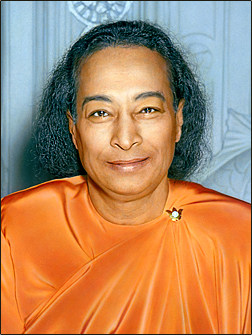
The Healing Power of Pure Love
Paramahansa Yogananda poignantly reminds us that material wealth holds no power in the face of human suffering, particularly when it comes to the vulnerability of a sick child. His assertion that only love, emanating from a pure heart, can truly heal encapsulates a profound truth about the nature of compassion and connection. In a world often driven by ambition and accumulation, this message serves as a powerful call to return to the essence of what it means to care for one another.
Yogananda's words resonate deeply in our contemporary landscape, where the challenges of illness, both physical and emotional, are ever-present. The notion that love is the ultimate healer invites us to reflect on our own capacities for empathy and kindness. It challenges us to consider how we might prioritize love over material success, especially in our interactions with those who are suffering. This perspective not only elevates the act of healing but also redefines our understanding of wealth itself.
The image / the metaphor
At the heart of Yogananda's quote lies a vivid imagery that juxtaposes the vastness of worldly wealth against the fragility of a child's illness. The phrase "all the wealth in the world" evokes a sense of abundance, yet it is rendered impotent in the face of genuine need. The verbs "cannot help" starkly highlight the limitations of material resources, while "it takes love" shifts the focus to an intangible yet powerful force. This contrast creates a felt sense of urgency, emphasizing that true healing transcends physical means.
Diving deeper into the metaphor, we can see that love is portrayed not merely as an emotion but as a vital force capable of transformation. The "pure heart" mentioned in the quote suggests an untainted, selfless love that is free from ulterior motives. This purity is essential for effective healing, as it fosters an environment where genuine connection can flourish. In this light, love becomes a conduit through which healing energy flows, illuminating the path toward recovery and wholeness.
In the speaker's tradition
Yogananda's teachings are deeply rooted in the spiritual tradition of Hinduism, where concepts such as bhakti (devotion) and dharma (righteous duty) play pivotal roles. The idea that love can heal aligns with the bhakti path, which emphasizes surrendering to a higher power through acts of love and service. This selfless devotion not only nurtures the individual but also extends to the community, creating a ripple effect of healing and compassion. In this context, love is not just a feeling but a sacred duty that fulfills one's dharma.
Moreover, Yogananda's emphasis on love as a healing force resonates with the teachings found in the Bhagavad Gita, where the importance of selfless action is highlighted. In Chapter 3, Krishna advises Arjuna to perform his duty without attachment to the fruits of his actions, suggesting that true fulfillment comes from acting with love and integrity. This connection underscores the timeless nature of Yogananda's message, revealing that the healing power of love is a universal truth that transcends time and culture.
Living the teaching
Consider a modern scenario where a community rallies around a child battling a serious illness. In this situation, the collective love and support from family, friends, and even strangers can create an environment of hope and healing. The tangible acts of kindness—cooking meals, offering emotional support, or simply being present—illustrate how love manifests in practical ways. This communal love not only aids the child but also strengthens the bonds among those involved, fostering a sense of unity and shared purpose.
On a more personal level, think about a relationship that has faced challenges, perhaps due to misunderstandings or emotional distance. In such moments, choosing to approach the situation with a pure heart—free from resentment and open to forgiveness—can pave the way for healing. By prioritizing love over ego, we create space for vulnerability and connection, allowing the relationship to flourish anew. This practice of embodying love in our daily interactions serves as a reminder that healing often begins within ourselves and extends outward.
A reflection
As we contemplate Yogananda's profound assertion, we are invited to ask ourselves: How can I cultivate a pure heart in my interactions with others, especially those who are suffering? This question encourages us to reflect on our motivations and the ways we express love in our lives. By examining our capacity for compassion, we can begin to understand the transformative power of love and its ability to heal not only ourselves but also those around us.



