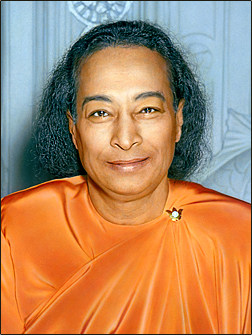
Embracing Fearlessness Through Divine Love
Paramahansa Yogananda's profound assertion invites us to live without fear, to embrace love for all beings, and to seek the divine presence in every moment. He encourages us to cultivate a consciousness that is not only aware of God's love but also actively expresses that love towards others. This perspective is not merely a lofty ideal; it is a practical guide for navigating the complexities of life with grace and compassion. In a world often overshadowed by fear and division, Yogananda's words remind us of the transformative power of love and the importance of maintaining a divine connection.
To embody this teaching is to engage in a radical shift in perception. It challenges us to confront our fears, dissolve hatred, and replace it with an expansive love that recognizes the divine in everyone. This way of living is not passive; it requires active participation in the world, a conscious choice to see beyond the surface and connect with the essence of humanity. By nurturing a desire for God's presence within our consciousness, we cultivate a sanctuary of peace and strength that can withstand the trials of life.
The image / the metaphor
The imagery in Yogananda's quote is rich and evocative. The phrase "temple of your consciousness" suggests a sacred space within each individual, a place where divine awareness can dwell. The verbs "be afraid of nothing," "hating none," and "giving love to all" create a vivid contrast between fear and love, highlighting the transformative potential of a heart aligned with divine purpose. This metaphorical temple is not just a passive structure; it is an active, living space that requires our attention and intention to flourish.
Diving deeper into the metaphor, we can see that the temple represents our inner life, a sanctuary that can be filled with either fear or love. When we choose to fill this space with love, we become vessels of divine presence, radiating compassion and understanding. The act of seeing God's presence in everyone transforms our interactions, allowing us to approach others with empathy rather than judgment. This shift in perspective is akin to the alchemical process of turning lead into gold, where fear is transmuted into love, and separation is transformed into unity.
In the speaker's tradition
Yogananda's teachings are deeply rooted in the spiritual tradition of Hinduism, particularly in the concepts of bhakti (devotion) and dharma (righteous duty). The call to "give love to all" resonates with the bhakti tradition, which emphasizes surrendering to divine love and seeing the divine in every being. This perspective aligns with the idea of kenosis, or self-emptying, where one relinquishes the ego to allow for a greater connection with the divine and others. By embodying these principles, we cultivate a life that reflects the essence of love and fearlessness.
In the Bhagavad Gita, a foundational text in Hindu philosophy, we find echoes of Yogananda's message. The Gita teaches that true wisdom arises from recognizing the interconnectedness of all beings and acting from a place of love and duty. In Chapter 12, Krishna speaks of the qualities of a true devotee, emphasizing the importance of compassion, equanimity, and the absence of hatred. This alignment with divine love is not only a personal journey but a collective one, urging us to uplift one another through our shared humanity.
Living the teaching
Consider a modern scenario where this teaching can be applied: a workplace filled with tension and competition. In such an environment, the practice of being "afraid of nothing" can manifest as a commitment to collaboration rather than rivalry. By choosing to approach colleagues with love and understanding, we can create a culture of support and encouragement. This shift not only enhances our own experience but also fosters a sense of community that transcends fear and promotes collective growth.
In personal relationships, the teaching can be particularly transformative. Imagine a moment of conflict with a loved one, where fear and resentment threaten to drive a wedge between you. By consciously choosing to embody love and seek the divine presence in that person, you can navigate the disagreement with compassion and understanding. This approach not only resolves the immediate tension but also deepens the bond, allowing both individuals to grow in love and awareness.
A reflection
As we contemplate Yogananda's profound words, we are invited to reflect on our own lives: How can we cultivate a fearlessness that allows us to love unconditionally? In what ways can we seek the divine presence in those around us, even in challenging circumstances? This inquiry invites us to explore the depths of our consciousness and consider how we might embody the love that Yogananda so beautifully articulates.



