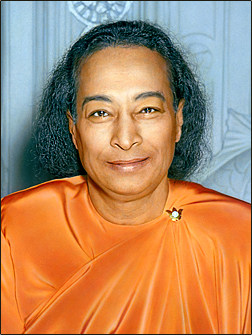
The Beauty of Simplicity: A Path to Happiness
Paramahansa Yogananda invites us to embrace simplicity in our lives, suggesting that by stripping away the complexities we often create, we can discover a profound sense of happiness and peace. His assertion, "Be as simple as you can be; you will be astonished to see how uncomplicated and happy your life can become," serves as a gentle reminder of the transformative power of simplicity. In a world that often glorifies complexity and busyness, this message resonates deeply, urging us to reconsider our priorities and the clutter that fills our minds and lives.
Yogananda's wisdom speaks to the heart of human experience, where the pursuit of happiness often leads us down convoluted paths filled with distractions and desires. The simplicity he advocates is not merely about reducing material possessions or external obligations; it is an invitation to cultivate an inner state of clarity and contentment. By embracing simplicity, we can unearth the joy that lies beneath the surface of our daily lives, revealing a more profound connection to ourselves and the world around us.
The image / the metaphor
The imagery in Yogananda's quote evokes a sense of lightness and ease, suggesting that simplicity is akin to shedding heavy burdens. The verbs "be" and "astonished" carry a weight of invitation and discovery, encouraging us to actively engage with the practice of simplicity. This call to action implies that simplicity is not a passive state but a dynamic process that can lead to unexpected revelations about our lives and our happiness.
Diving deeper into the metaphor, we can see simplicity as a lens through which we can view our existence. It invites us to peel back the layers of complexity that often cloud our perception, revealing the essence of our being. In this way, simplicity becomes a pathway to clarity, allowing us to navigate the world with a sense of purpose and joy that is often obscured by the noise of modern life.
In the speaker's tradition
Within the context of Hindu philosophy, Yogananda's emphasis on simplicity aligns closely with the concept of dharma, or living in accordance with one's true nature. Simplicity is not merely a lifestyle choice; it is a spiritual practice that fosters a deeper understanding of our place in the universe. By embracing simplicity, we can align ourselves with the natural order of existence, cultivating a sense of peace that transcends the chaos of daily life.
Moreover, this idea resonates with the Buddhist concept of sunyata, or emptiness, which teaches that the essence of reality is free from the clutter of attachment and desire. In texts such as the Bhagavad Gita, we find similar themes of detachment and the importance of focusing on one's inner self rather than external distractions. Yogananda's teachings echo these ancient wisdoms, reminding us that true happiness arises from within when we let go of the complexities that bind us.
Living the teaching
Consider a modern scenario where the pressures of work and social obligations create a whirlwind of stress and anxiety. In such moments, Yogananda's call to simplicity can serve as a guiding principle. By consciously choosing to simplify our schedules, prioritize meaningful relationships, and engage in activities that nourish our souls, we can transform our experience from one of overwhelm to one of clarity and joy. This shift not only enhances our well-being but also allows us to be more present for those we care about.
In the realm of relationships, embracing simplicity can lead to deeper connections. Imagine a moment of conflict where misunderstandings arise from miscommunication and assumptions. By approaching the situation with a mindset of simplicity—seeking to understand rather than to be understood—we can foster an environment of openness and compassion. This practice not only resolves tension but also cultivates a sense of peace and happiness that enriches our interactions with others.
A reflection
As we contemplate Yogananda's invitation to simplicity, we might ask ourselves: What complexities in my life can I let go of to experience greater happiness? This question encourages us to reflect on our daily choices, the relationships we nurture, and the thoughts we entertain. In seeking simplicity, we embark on a journey toward a more profound understanding of ourselves and the world, ultimately discovering the joy that lies in the uncomplicated essence of being.



