The Sacred Art of Presence: Nourishment Beyond the Plate
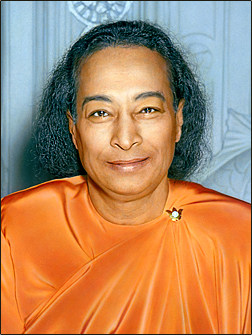
Paramahansa Yogananda invites us to immerse ourselves fully in our actions, particularly in the simple yet profound act of eating. He suggests that when we eat, we should not merely consume food but recognize it as a divine act of nourishment, infused with cosmic energy. This perspective elevates the mundane to the sacred, urging us to appreciate the deeper connection between our physical sustenance and spiritual vitality. In a world often characterized by distraction and haste, this teaching beckons us to reclaim our attention and presence in every moment.
In a society that frequently prioritizes multitasking and superficial engagement, Yogananda's words resonate with a call to mindfulness. By concentrating wholly on what we are doing, we cultivate a deeper awareness of our actions and their significance. This practice is not merely about eating; it extends to every facet of our lives, reminding us that each moment holds the potential for spiritual awakening. The act of eating becomes a ritual, a communion with the universe, where we acknowledge the energy that sustains us and the divine presence that permeates our existence.
The image / the metaphor
The imagery in Yogananda's quote is rich and evocative. When he speaks of concentrating wholly on our actions, he paints a picture of undivided attention, where the mind, body, and spirit align in a singular purpose. The act of eating transforms from a routine necessity into a sacred ritual, where each bite is infused with intention and gratitude. The verbs "concentrate" and "know" emphasize an active engagement with the present moment, urging us to be fully aware of the nourishment we receive, both physically and spiritually.
Diving deeper into the metaphor, we can see that Yogananda is not merely referring to food but to the very essence of life itself. The cosmic energy he mentions symbolizes the interconnectedness of all beings and the divine source from which we all draw sustenance. This perspective invites us to recognize that every action we take, no matter how small, can be an opportunity for spiritual connection. By acknowledging the divine in our daily activities, we cultivate a sense of reverence and gratitude that enriches our lives.
In the speaker's tradition
Yogananda's teachings are deeply rooted in the Hindu tradition, which emphasizes the importance of dharma, or righteous living. Concentration, or focus, is a key aspect of spiritual practice in Hinduism, often linked to the concept of meditation (dhyana). By concentrating on our actions, we align ourselves with our higher purpose and cultivate a sense of inner peace. This practice resonates with the idea of bhakti, or devotion, where every action becomes an offering to the divine, transforming the mundane into a sacred experience.
In the Bhagavad Gita, a foundational text in Hindu philosophy, Krishna advises Arjuna to perform his duty with unwavering focus and devotion. This aligns with Yogananda's teaching, as both emphasize the importance of being fully present in our actions. The Gita teaches that when we act with awareness and devotion, we transcend the dualities of life, experiencing a deeper connection to the universe and the divine. Yogananda's perspective on eating as a means of receiving cosmic energy echoes this timeless wisdom, inviting us to engage with life in a more profound way.
Living the teaching
Consider a modern scenario where this teaching can be applied: during a meal shared with family or friends. Often, we find ourselves distracted by our phones or conversations that pull our attention away from the food before us. By consciously choosing to focus on the act of eating, we can transform this moment into a sacred experience. As we savor each bite, we can reflect on the journey of the food from the earth to our plates, acknowledging the energy that sustains us and the love that went into its preparation.
This teaching can also be applied in more challenging moments, such as during a conflict with a loved one. Instead of reacting impulsively, we can practice concentration by taking a moment to breathe and center ourselves. By focusing on the present moment and the energy we bring to the interaction, we create space for understanding and compassion. This mindful approach not only enhances our relationships but also deepens our spiritual practice, allowing us to respond with love rather than react with frustration.
A reflection
As we contemplate Yogananda's profound words, we are invited to consider how we can bring greater awareness to our daily actions. In what ways can we transform the ordinary into the extraordinary by recognizing the divine energy that flows through our lives? This question encourages us to explore the sacredness of our routines and the potential for spiritual growth in every moment. By embracing this practice, we can cultivate a deeper connection to ourselves, others, and the universe.



