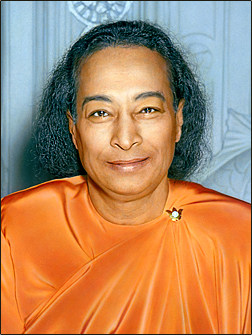
The Power of Focused Effort
Paramahansa Yogananda's assertion, "Do your work with full concentration. That is the true method of efficiency," invites us to consider the profound relationship between our attention and the quality of our endeavors. In a world rife with distractions, this call to concentrated effort becomes not just a suggestion but a necessity for meaningful engagement in our tasks. The stakes are high; without focus, our potential remains untapped, and our contributions to the world may lack the depth and authenticity they could possess.
Yogananda's wisdom resonates deeply in our contemporary lives, where multitasking is often celebrated as a virtue. Yet, this fragmented approach to work can lead to a dilution of our efforts and a sense of dissatisfaction. By emphasizing full concentration, Yogananda points us toward a path of clarity and purpose, suggesting that true efficiency is not merely about speed or output but about the depth of our engagement with the task at hand. This perspective invites us to reflect on how we can cultivate a more intentional approach to our work and, by extension, our lives.
The image / the metaphor
The imagery in Yogananda's quote evokes a sense of singular focus, akin to a laser beam cutting through the fog of distraction. The verbs "do" and "concentration" suggest an active engagement with our work, where each moment is infused with intention and presence. This vivid portrayal of concentration as a tool for efficiency implies that our work is not merely a series of tasks to be completed but a sacred act that demands our full attention and energy.
In the speaker's tradition
Within the context of Yogananda's teachings, the concept of concentration is deeply intertwined with the idea of dharma, or one's rightful duty. In Hindu philosophy, fulfilling one's dharma requires a focused mind and heart, as it is through this concentrated effort that we can truly serve our purpose in the world. Yogananda's emphasis on concentration aligns with the broader spiritual practice of bhakti, or devotion, where the act of focusing one's mind on a task becomes an offering to the divine.
Moreover, Yogananda's teachings echo the principles found in the Bhagavad Gita, where Lord Krishna advises Arjuna to perform his duty with unwavering focus and dedication. The Gita emphasizes that the quality of our actions is determined by the intention and concentration we bring to them. This ancient text serves as a reminder that efficiency, in its truest sense, is not about the quantity of work done but the quality of attention given to each moment.
Living the teaching
Consider a modern scenario where this teaching can be applied: a professional working on a project with looming deadlines. In the rush to complete tasks, one might find themselves distracted by emails, phone notifications, and the constant pull of social media. By embracing Yogananda's call to full concentration, this individual could set aside dedicated time to immerse themselves in their work, silencing distractions and allowing their creativity to flourish. This focused approach not only enhances productivity but also fosters a deeper sense of satisfaction and accomplishment.
In a different context, imagine a relationship where one partner feels unheard or overlooked. By applying the principle of full concentration, the listening partner can engage wholeheartedly in conversations, offering their undivided attention and presence. This practice not only strengthens the bond between partners but also cultivates a deeper understanding and connection, illustrating how concentration can transform not just our work but our relationships and interactions with others.
A reflection
As we contemplate Yogananda's wisdom, we are invited to ask ourselves: How can I cultivate greater concentration in my daily life? This question encourages us to reflect on the areas where we may be scattering our attention and to consider practical steps we can take to bring our focus back to the present moment. By doing so, we open ourselves to the possibility of deeper engagement, richer experiences, and a more profound sense of purpose in our work and relationships.



